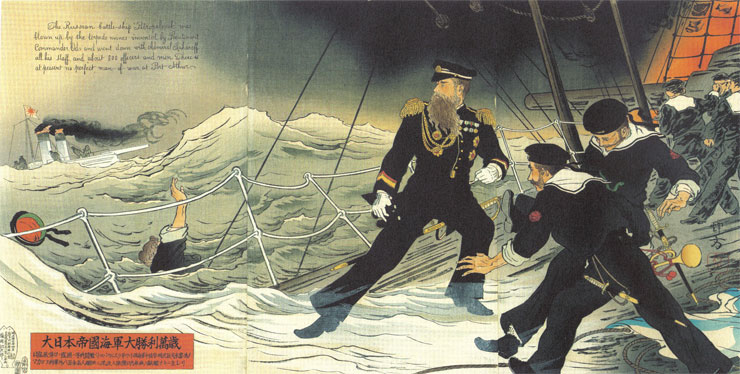
Today in 1942, two British-trained Czechoslovakian agents ambush and fatally wound Reich security chief Reinhard Heydrich in Prague. The infamous Holocaust architect dies eight days later. The two agents, Jan Kubiš and Jozef Gabčík, are killed on June 18 while evading capture. pic.twitter.com/s8BuCUgx9M
The Saturn drilling rig, which was transported from Turkmenistan to Azerbaijan in May last year, has been returned to Turkmen waters in the Caspian Sea, accompanied…
Putin, Homoeroticism, and Russian Culture: A Complex Intersection
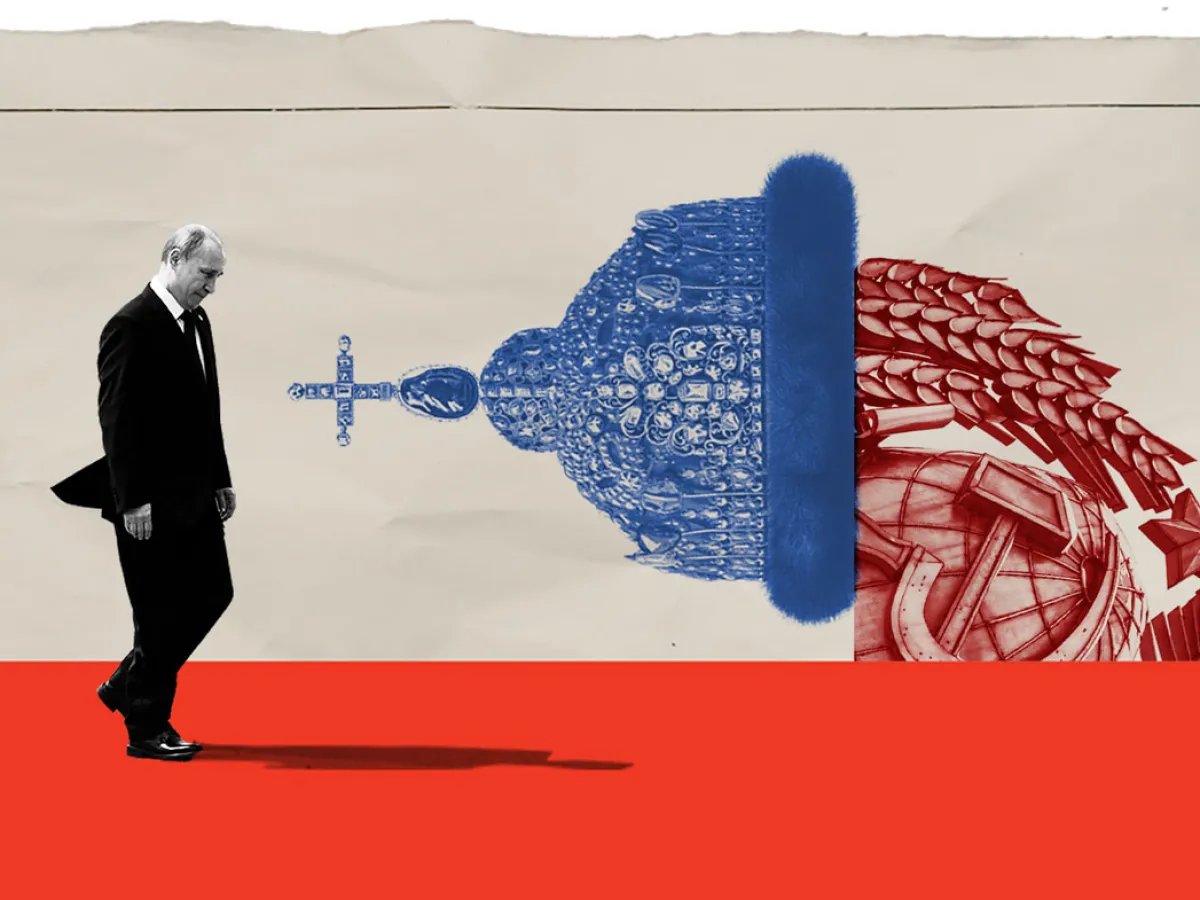
The relationship between Vladimir Putin, homoeroticism, and Russian culture is a multifaceted and often contentious subject. It sits at the crossroads of a carefully cultivated political image, artistic interpretations, and a societal landscape marked by increasingly conservative stances on sexuality and gender identity.1
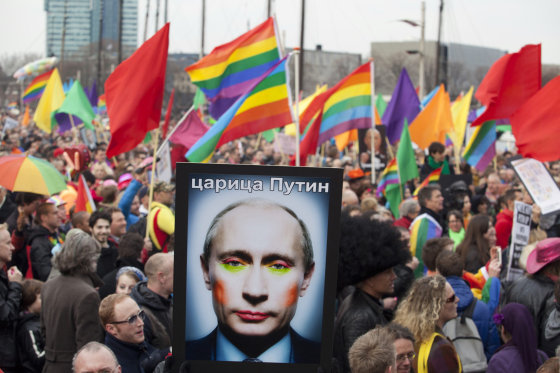
At the forefront is Vladimir Putin’s public persona, meticulously crafted to project strength, virility, and traditional masculinity.2This image, often featuring shirtless photoshoots, displays of physical prowess, and association with traditionally masculine activities, has been analyzed by scholars as a form of “hypermasculinity.”3This projection serves to bolster his leadership cult within Russia, contrasting it with perceived Western weakness or decadence.4 Some analysts argue this hypermasculine display, while intended to convey power, can inadvertently lend itself to homoerotic interpretations, particularly in the West. The “Gay Clown Putin” meme, which depicted Putin in drag and rainbow colors, became a prominent symbol of protest against Russia’s anti-LGBTQ+ laws and was eventually banned in Russia as “extremist material.”5 This highlights how subversive interpretations of his image, including those employing homoerotic tropes, are viewed as a threat to the state-sanctioned narrative.
Homoeroticism itself has a complex and often unacknowledged history within Russian art and culture. From the subtle undertones in some Socialist Realist art, with its focus on idealized male bodies and camaraderie, to more overt explorations in the Russian avant-garde period, same-sex desire and non-normative gender expressions have been present, albeit often suppressed or coded. However, official Russian cultural narratives today tend to deny or ignore these queer interpretations, emphasizing “traditional values” that align with the conservative stance of the Russian Orthodox Church.
Under Putin’s leadership, Russia has seen a significant crackdown on LGBTQ+ rights.6The most notable example is the 2013 federal law banning “propaganda of non-traditional sexual relations” among minors, which has been widely criticized internationally as discriminatory and a tool for stifling any public discussion or positive representation of LGBTQ+ lives.7This law, and subsequent similar measures, has had a profound cultural impact, fostering a climate of fear, encouraging self-censorship, and contributing to increased social hostility and violence against LGBTQ+ individuals.8 This official stance is often framed as a defense of Russian sovereignty and cultural identity against perceived encroachment from a morally decaying West.
Public opinion in Russia on homosexuality remains largely negative, with significant support for discriminatory laws.9This sentiment is fueled by state media narratives and the influential voice of the Russian Orthodox Church, which espouses conservative views on sexuality and family.10
The controversy surrounding the 2014 Sochi Winter Olympics brought international attention to Russia’s anti-LGBTQ+ policies. Activists used the global platform to protest the “gay propaganda” law, leading to debates about human rights and the image Russia was projecting to the world.
In conclusion, the intersection of Putin, homoeroticism, and Russian culture is characterized by a stark contrast:
A political leader who projects an image of hypermasculinity, which can be (and has been) subversively reinterpreted through a homoerotic lens, particularly by those critical of his regime.11
A rich, yet often suppressed, history of homoerotic themes in Russian art and culture.
A contemporary socio-political environment where “traditional values” are aggressively promoted, leading to the legal and social marginalization of LGBTQ+ individuals and the denouncement of non-normative sexualities.12
The perceived threat of homoeroticism to the official narrative of a strong, traditional Russia is evident in the state’s repressive measures, highlighting how anxieties around gender and sexuality are intertwined with national identity and political power in contemporary Russia.13
The decline and fall of the Russian Culture – AI Review GS google.com/search?q=The+d… AI Overview The “decline and fall” of Russian culture is a complex issue with various interpretations. While some argue for a decline in certain areas, particularly after the collapse of the…
The Saturn drilling rig, which was transported from Turkmenistan to Azerbaijan in May last year, has been returned to Turkmen waters in the Caspian Sea, accompanied…
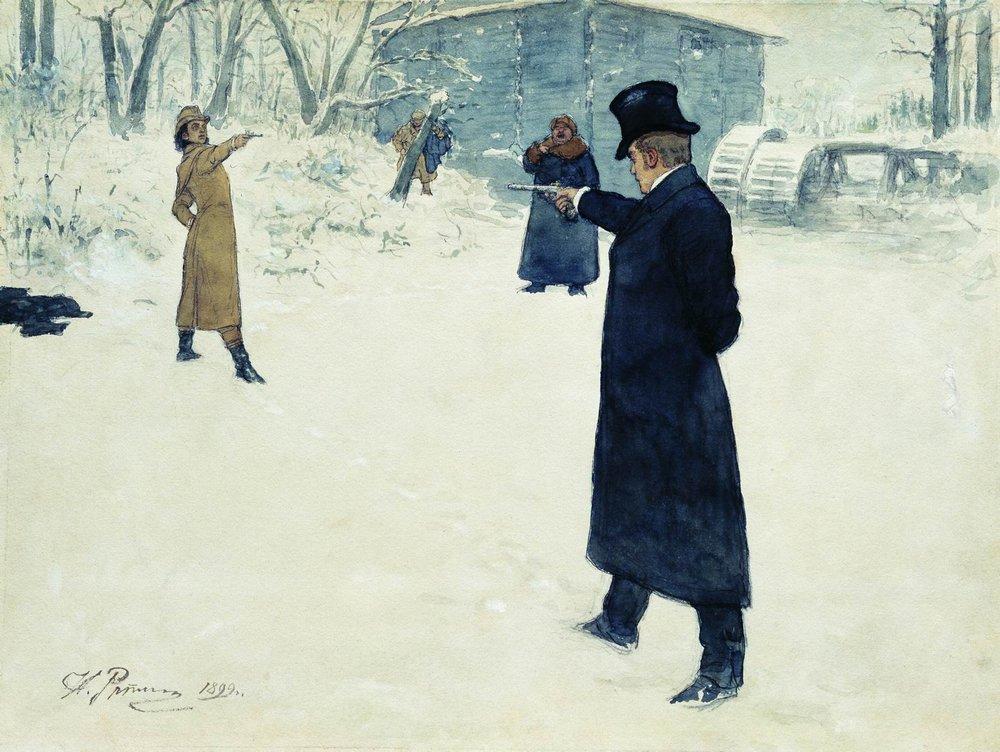
I see this poem and opera as the depiction of the relationship between two gay lovers, Onegin and Lensky, socially unacceptable and bisexually intertwined; which turned tragic when Lensky threatened or hinted the disclosure, out of the heterosexual jealousy.
–
AI Overview
Some readers and stage directors have interpreted Eugene Onegin as exploring themes of unrequited love and suppressed desires, potentially reflecting a homosexual relationship between the characters Eugene Onegin and Vladimir Lensky. This interpretation is often linked to Tchaikovsky’s own suspected homosexuality and his marriage to Antonina Milyukova as a means to conceal it. [1, 2, 3, 4]
Elaboration:
Subtextual Gay Themes: Some critics and audience members have suggested that the strong bond between Onegin and Lensky, coupled with Lensky’s romantic interest in Olga, could be interpreted as a struggle with Onegin’s own repressed desires, potentially homosexual. [1, 1, 2, 2]
Tchaikovsky’s Life: The opera’s creation by Pyotr Ilyich Tchaikovsky, who was also gay and married to Antonina Milyukova, adds another layer to this interpretation. Tchaikovsky’s life and work have been seen as a reflection of his own struggles with sexuality and societal expectations. [2, 2, 4, 4, 5]
The Duel: The duel between Onegin and Lensky, often seen as a tragic climax, is sometimes interpreted as a metaphor for the clash between suppressed desires and societal norms. [2, 2]
Diverse Interpretations: While some productions and reviews emphasize the gay subtext, other interpretations focus on Onegin’s journey of self-discovery and the broader themes of love, regret, and social expectations. [3, 3, 6, 6, 7, 8]
Triquet’s Role: The character of Triquet, the often-flamboyantly portrayed character tenor, can be interpreted as a representation of Russian culture’s unconventional and unconventional sexuality. [9, 9]
In summary, a gay interpretation of Eugene Onegin focuses on the potential subtextual exploration of homosexual relationships, Tchaikovsky’s personal life, and the characters’ struggles with societal expectations and suppressed desires. [1, 2, 4]
Eugene Onegin with a focus on gay or homoerotic themes often center around the potential for a concealed relationship or repressed desires between the main characters, Onegin and Lensky, and also touch upon the personal life of the composer, Pyotr Tchaikovsky.
Key Points of Gay Interpretations:
Onegin and Lensky’s Relationship: Some interpretations suggest a hidden sexual relationship between Onegin and Lensky, citing moments of intense emotional connection and the context of their duel as potentially stemming from more than just heterosexual rivalry. For instance, some productions interpret Lensky’s love paean in Act 1 as directed towards Onegin, rather than Olga. Some see the duel itself as a metaphor for hidden desires or conflict related to their unspoken connection.
Echoes of Tchaikovsky’s Life: Tchaikovsky’s own struggles with his homosexuality are seen as reflected in the opera. His failed marriage, entered into as an attempt to suppress his sexual orientation, is viewed as mirroring the themes of unrequited love and the inability to express true feelings found in the opera. Some even consider Tatyana’s passionate letter-writing scene as a potential expression of a hidden gay heart, or a metaphorical coming out for Tchaikovsky.
The Duel’s Interpretation: The dramatic duel between Onegin and Lensky, culminating in Lensky’s death, has been analyzed through a queer lens. Some interpretations see it as a tragic consequence of societal pressures and the impossibility of their potentially homosexual desires, given the social context of the time.
Queer Readings in Modern Productions: Some contemporary opera productions and adaptations have explicitly incorporated a gay interpretation of Eugene Onegin. Heartbeat Opera’s production, for instance, emphasizes the homoerotic subtext, featuring moments that highlight a sexual connection between Onegin and Lensky.
It is important to note that these interpretations are not universally accepted and Eugene Onegin is traditionally understood as a heterosexual love story. However, the emotional depth of the opera, coupled with Tchaikovsky’s personal history, has allowed for such interpretations to emerge and resonate with some audiences. These interpretations also speak to the broader context of LGBTQ+ history in Russia and the social pressures faced by homosexual individuals in the 19th and early 20th centuries.
The Talented Mr. Ripley(1999) Tchaikovsky’s Eugene Onegin Lensky’s Aria(1878) was perfectly placed by Director Anthony Minghella .The opera is shown right after Tom’s series of confrontations..Tom being a pure young man who completely believes in his illusions and his love sympathizes with Lenksy .Suddenly he is confronted with a reality ,and loss of love and it’s even more painful then he could imagine. This is a primary reason why Lensky goes overboard in the fight with Onegin because that in which he held most dear has escaped him. At the moment Lensky like Tom cares less about the consequences of his actions and more about the desire and passion of satisfaction specifically that to lost love and and any illusions that lay within
The Saturn drilling rig, which was transported from Turkmenistan to Azerbaijan in May last year, has been returned to Turkmen waters in the Caspian Sea, accompanied…
The Russian Orthodox Church today and the fall of the Russian Culture – GS google.com/search?q=The+R… The Russian Orthodox Church (ROC) is experiencing a complex relationship with Russian culture today, marked by a resurgence of religious affiliation alongside significant societal…
Президент США Дональд Трамп заявил, что российский лидер Владимир Путин “стал абсолютно сумасшедшим”. Эти слова прозвучали после того, как российская армия уже несколько дней подряд массированно обстреливала Украину дронами и ракетами smarturl.click/mBb0Q
The decline and fall of the Russian Culture – AI Review GS google.com/search?q=The+d… AI Overview The “decline and fall” of Russian culture is a complex issue with various interpretations. While some argue for a decline in certain areas, particularly after the collapse of the…
Putinism and the fall of the Russian Culture – Google Search google.com/search?q=Putin… Putinism and its impact on Russian culture is a complex issue with varying perspectives. Putinism, a term describing the political ideology and practices of the Putin regime, has been associated…
The decline and fall of the Russian Culture – AI Review GS google.com/search?q=The+d… AI Overview The “decline and fall” of Russian culture is a complex issue with various interpretations. While some argue for a decline in certain areas, particularly after the collapse of the…
A Kremlin official stated that a quick end to the war in Ukraine is unlikely, deeming the situation “far too complex” to be resolved rapidly. This comes amidst ongoing peace efforts, with the US expressing frustration over the slow progress. While some have called for immediate ceasefire talks, the Kremlin has not indicated a timeline for a resolution. [1, 1, 2, 3, 4, 5]
Senate Minority Leader Chuck Schumer, D-N.Y., is “bleeding support” from the New York and Democrat Jewish community, giving Rep. Alexandria Ocasio-Cortez, D-N.Y., an eye-popping edge in a prospective Democrat primary…
Medvedev published a “buffer zone map” – all of Ukraine – if provision of military aid to Ukraine continues. Is this the “peace plan” that Russia prepared to show the United States?
As technologies advance and archives open, it is likely that many more puzzles from the past will find their solutions, further enriching our understanding of the events and people that shaped our world.
Light on Old Mysteries: How New Evidence Solved Historical, Intelligence, and Legal Puzzles
Throughout history, numerous enigmas have perplexed investigators, historians, and the public alike.1 From ancient riddles to complex espionage operations and baffling legal cases, the path to understanding has often remained obscured until the crucial emergence of new evidence or the declassification of long-held secrets. These breakthroughs have not only solved puzzles but also reshaped our understanding of the past.2
Historical Puzzles Unlocked
The Lost City of Thonis-Heracleion: Once a legend, mentioned in ancient Greek texts, the vibrant Egyptian port city of Thonis-Heracleion was believed to have been swallowed by the Mediterranean Sea over a millennium ago.3 For centuries, its existence remained a historical puzzle. However, beginning in 2000, underwater archaeologist Franck Goddio and his team, acting on clues from ancient writings, discovered the remarkably preserved ruins off the coast of Egypt.4 The emergence of submerged statues, temples, and everyday artifacts provided undeniable physical evidence, transforming myth into historical reality and offering invaluable insights into ancient maritime trade and religious practices.5
The True Face of Ötzi the Iceman: Discovered in the Ötztal Alps in 1991, the remarkably well-preserved 5,300-year-old mummy known as Ötzi the Iceman immediately became a subject of intense study.6 Initial reconstructions and assumptions about his life and death were based on the evidence available at the time. However, subsequent advanced scientific analyses, including full genome sequencing and sophisticated imaging techniques, have painted a much clearer picture. For instance, recent DNA analysis published in 2023 revealed that Ötzi had darker skin than previously depicted, was likely balder, and had a genetic predisposition to obesity and type 2 diabetes.7 This evolving evidence continues to refine our understanding of this Stone Age individual.
Decoding the Herculaneum Scrolls: When Mount Vesuvius erupted in 79 AD, it famously buried Pompeii and Herculaneum.8 Thousands of papyrus scrolls from a library in Herculaneum were carbonized, rendering them too fragile to unroll and seemingly lost to history.9 For centuries, their contents were a tantalizing mystery. In a significant breakthrough in 2023, researchers utilizing advanced X-ray imaging and artificial intelligence were able to virtually unroll and begin deciphering texts from these charred remains. This newly accessible evidence is starting to reveal lost philosophical works and other writings, offering a direct window into the intellectual life of the Roman world.
Intelligence Enigmas Declassified
The Secrets of MKULTRA: During the Cold War, rumors and fragmented information hinted at clandestine mind-control experiments conducted by the CIA.10 The full scope and nature of these activities, however, remained largely a dark puzzle. The declassification of thousands of CIA documents in the 1970s, following investigations by the Church Committee and others, brought Project MKULTRA and related programs like BLUEBIRD and ARTICHOKE into the light. This publicly available evidence revealed the extent of unethical human experimentation, including the use of LSD, hypnosis, sensory deprivation, and other manipulative techniques on unwitting subjects. The declassified files were crucial in understanding this controversial chapter of intelligence history.
The A-12 OXCART Program: For years, sightings of unidentified, high-speed, high-altitude aircraft fueled speculation and conspiracy theories. The existence and capabilities of advanced reconnaissance aircraft like the CIA’s A-12 OXCART remained a closely guarded secret. The declassification of documents and imagery related to the A-12 program, particularly in the 2000s, provided concrete evidence and detailed information about this cutting-edge Cold War spy plane.11 This later-available information solved the puzzle for aviation historians and the public, revealing the incredible technological achievements and operational history of the predecessor to the SR-71 Blackbird.
Operations at Lima Site 85 (Laos): During the Vietnam War, the U.S. government’s activities in neutral Laos were highly secretive. The fall of Lima Site 85, a top-secret radar installation crucial for guiding bombing raids over North Vietnam, in March 1968, and the loss of Air Force personnel there, was shrouded in mystery for decades. Declassified documents and firsthand accounts that emerged years later, particularly through efforts of veterans and historians, pieced together the full story of the site’s strategic importance, the covert operations conducted there, and the tragic circumstances of its capture. This later evidence was vital in understanding a key, yet long-obscured, aspect of the war.
Legal Conundrums Cracked
The Golden State Killer: For decades, a series of rapes and murders committed between 1974 and 1986 across California by an individual dubbed the “East Area Rapist,” “Original Night Stalker,” and later the “Golden State Killer,” remained one of the most notorious unsolved serial crime sprees in U.S. history. Traditional investigative methods hit a wall. The puzzle was finally solved in 2018 when investigators utilized a novel approach: forensic genetic genealogy. By uploading crime scene DNA to public genealogy databases, they were able to identify distant relatives of the perpetrator, eventually leading them to Joseph James DeAngelo.12 This innovative use of newly available DNA technology and publicly accessible genetic data cracked a decades-old cold case.
The Exoneration of the Wrongfully Convicted: Numerous legal cases have seen convictions overturned when new evidence emerged, often decades later.13 Advancements in DNA technology have been particularly pivotal. For example, countless individuals have been exonerated after post-conviction DNA testing of crime scene evidence, previously unavailable or not utilized, proved their innocence. In other instances, the eventual disclosure of withheld exculpatory evidence by the prosecution, or the recantation of key witness testimonies backed by new corroborating facts, has led to the unraveling of wrongful convictions, solving the puzzle of how an innocent person came to be found guilty. The Innocence Project and similar organizations have played a significant role in bringing such evidence to light.
Solving Cold Cases with New Forensic Techniques: Beyond DNA, other advancements in forensic science continue to solve long-dormant legal puzzles. Improved fingerprint analysis, ballistics technology, and digital forensics can provide fresh leads or re-evaluate old evidence in a new light.14 For instance, a partial fingerprint that was once insufficient for a match might become identifiable with enhanced imaging and database capabilities. Similarly, newly discovered correspondence or digital trails, made accessible through later technological means, can provide the missing pieces in decades-old unsolved crimes.
These examples underscore the critical role that emergent evidence and transparency play in resolving historical, intelligence, and legal mysteries. As technologies advance and archives open, it is likely that many more puzzles from the past will find their solutions, further enriching our under
• Venona Project: This American project, begun in 1943, focused on decrypting Soviet coded messages. The decoded messages revealed a significant amount of Soviet espionage, including the theft of secrets related to the atomic bomb. The project was not publicly acknowledged until much later. [1, 1, 2, 4]
• Black Tom Incident: In 1916, a series of explosions at a New York City harbor destroyed a large portion of Black Tom Island, resulting in significant damage and loss of life. The FBI later uncovered evidence that German agents were responsible for the sabotage. [2, 2, 5]
• Intelligence Operations on Martin Luther King Jr.: The FBI, under J. Edgar Hoover, engaged in extensive surveillance of Martin Luther King Jr., including wiretapping and other methods. Evidence of this, including the Kennedy administration’s involvement, came to light later and revealed a complex web of intelligence operations that raised questions about legality and ethics. [3, 3]
• Code-breaking of Enigma: While not a puzzle that emerged later, the success of the British in breaking the German Enigma code during World War II provided crucial intelligence about German military plans and operations. [6, 6, 7]
• Agent Garbo: During World War II, the British intelligence service MI6 used a double agent, Juan Pujol García, known as Garbo,” to deceive the German military about the Allied invasion plans in Normandy. The intelligence gathered from Garbo was crucial in planning the D-Day invasion. [8, 8, 9, 10, 11]
Legal and Historical Puzzles:
• The Watergate Scandal: The break-in at the Watergate Hotel in 1972, initially a simple crime, evolved into a major scandal when it was revealed that high-level officials within the Nixon administration were involved in covering it up. This scandal ultimately led to Nixon’s resignation. [2, 2, 12, 13, 14]
• The Boston Tea Party: While the event itself was a historical act of defiance against British taxation, the legal and political ramifications were far-reaching. The subsequent actions of the British government in response to the Boston Tea Party, including the passage of the Intolerable Acts, further escalated tensions and contributed to the American Revolution. [15, 15]
• The Kennedy Assassination: The assassination of President John F. Kennedy in 1963 remains a subject of intense debate and speculation, even decades later. The official investigation by the Warren Commission concluded that Lee Harvey Oswald acted alone, but many questions persist. [3, 3, 16, 17, 18, 19]
These examples demonstrate how the emergence of new evidence, or the public release of previously classified information, can shed light on historical events, intelligence operations, and legal cases, often revealing new or more complete understandings of past events.
– **The Venona Project**: For decades, the extent of Soviet espionage in the U.S. remained unclear. The Venona decrypts, released in the 1990s, revealed that Soviet intelligence had deeply infiltrated American institutions, confirming suspicions about figures like Alger Hiss and Julius Rosenberg.
– **The Cambridge Five**: The full scope of the British spy ring, which included Kim Philby, Donald Maclean, Guy Burgess, Anthony Blunt, and John Cairncross, only became clear long after their betrayals. Philby’s defection to the Soviet Union in 1963 confirmed long-standing suspicions.
– **The Dreyfus Affair**: In 1894, French officer Alfred Dreyfus was wrongly convicted of treason. It wasn’t until 1899 that new evidence emerged proving his innocence, exposing deep-seated anti-Semitism in the French military.
– **The Zodiac Killer Cipher**: Some of the cryptic messages left by the Zodiac Killer remained unsolved for decades. In 2020, a team of cryptographers finally cracked one of his ciphers, though his identity remains unknown.
– **The Identity of Jack the Ripper**: While still debated, forensic advancements have provided new insights into the infamous 19th-century serial killer. DNA analysis of a shawl linked to one of the victims suggested a possible suspect, though the case remains officially unsolved.
– **The Mystery of Flight MH370**: The disappearance of Malaysia Airlines Flight MH370 in 2014 puzzled investigators for years. While some wreckage has been found, the full story of what happened remains elusive, with new theories emerging as satellite data and oceanic drift studies continue.
If you’re interested in more cases, you might find [this article](
https://smithsonianmag.com/history/risks-and-riddles-154744750/…) and [this forensic analysis](https://criminalelement.com/crime-solvers-forensics-from-the-past-susanna-calkins-from-the-charred-remains/…) intriguing! Let me know if you’d like to explore a specific type of puzzle further.
–
Grok https://x.com/i/grok?conversation=1926317331434614975…
Here are a few notable examples of historical, intelligence, or legal puzzles that were resolved or better understood when new evidence emerged or became publicly available later:
The Enigma Code (World War II)
Puzzle: During World War II, the Allies were unable to decipher encrypted German communications, which used the Enigma machine. The inability to break these codes hindered military strategies.
Resolution: The work at Bletchley Park, particularly by Alan Turing and his team, eventually cracked the Enigma code. Captured Enigma machines and codebooks from German U-boats provided critical evidence. The full extent of this success, including the role of Ultra intelligence, was only declassified decades later in the 1970s, revealing how pivotal it was to Allied victories. Public disclosure clarified the scale of the intelligence effort and its impact on the war.
The Rosenberg Espionage Case (1940s–1950s)
Puzzle: Julius and Ethel Rosenberg were convicted of passing atomic secrets to the Soviet Union, but debates persisted about their guilt, the extent of their involvement, and whether their execution in 1953 was justified.
Resolution: In the 1990s, declassified documents from the Venona Project, a U.S. counterintelligence program, confirmed Julius Rosenberg’s role as a Soviet spy. Intercepted Soviet communications revealed details of his espionage network, though Ethel’s involvement appeared less direct. These documents, released publicly, provided concrete evidence that resolved much of the controversy surrounding their guilt.
The Mary Queen of Scots Cipher (1586)
Puzzle: Mary Queen of Scots was suspected of plotting against Queen Elizabeth I, but evidence relied on encrypted letters that were difficult to interpret definitively.
Resolution: The Babington Plot, a conspiracy to assassinate Elizabeth, was uncovered through decrypted letters. Sir Francis Walsingham’s codebreakers intercepted and deciphered Mary’s coded correspondence, revealing her approval of the plot. The letters, later made public during her trial, provided undeniable evidence of her involvement, leading to her execution. The cryptographic techniques and evidence were only fully understood in later historical analyses.
The Zodiac Killer’s Ciphers (1960s–1970s)
Puzzle: The Zodiac Killer, an unidentified serial killer in California, sent taunting letters with complex ciphers to newspapers, claiming they contained his identity. Most remained unsolved for decades, fueling speculation.
Resolution: In 2020, a team of amateur codebreakers cracked the Zodiac’s “340 Cipher” after 51 years. The deciphered message didn’t reveal his identity but provided insight into his motives and personality. The public release of the solution clarified that the cipher was a taunting message rather than a direct clue to his name, resolving a long-standing mystery in the case.
The Pentagon Papers (1971)
Puzzle: The U.S. government’s decision-making during the Vietnam War was shrouded in secrecy, with the public unaware of the full scope of military and political actions.
Resolution: In 1971, Daniel Ellsberg leaked the Pentagon Papers, a classified Department of Defense study, to the press. These documents, which became public through newspapers like The New York Times, revealed hidden truths about U.S. involvement in Vietnam, including misleading reports to Congress and the public. Their release clarified the extent of government deception, shaping public opinion and legal debates about free speech and national security.
The Watergate Scandal (1972–1974)
Puzzle: The break-in at the Democratic National Committee headquarters in 1972 initially appeared to be a minor crime, with little evidence linking it to higher levels of government.
Resolution: Investigative journalism by Bob Woodward and Carl Bernstein, aided by the informant “Deep Throat” (later revealed as FBI official Mark Felt), uncovered connections to President Nixon’s administration. The release of the Nixon White House tapes, following a Supreme Court order in 1974, provided definitive evidence of Nixon’s involvement in the cover-up. These tapes, made public, resolved the puzzle of the scandal’s scope and led to Nixon’s resignation.
Each of these cases demonstrates how hidden or incomplete information created puzzles that were only resolved when critical evidence—whether through declassification, decryption, or leaks—became available, shedding light on previously obscure truths. If you’d like me to dive deeper into any of these or explore others, let me know!
–
Search inside imageWe’ve Got a F–king Spy in This Place’: Inside America’s Greatest Espionage Mystery – POLITICOVisitImages may be subject to copyright. Learn More Search insid…
Russia Azerbaijan alliance … Шрёдеру заблокировали счет … Видео крупнейшей российской атаки на Украину … Ukrainian defenders are back home. The third stage of the “1000 for 1…
Articles and TweetsTrump’s NSC Overhaul in 2025 – Google Search https://t.co/2ucJ0UW9sF https://t.co/MzABEALajFx.com3h‘We’ve Got a F–king Spy in This Place’: Inside America’s Gre…
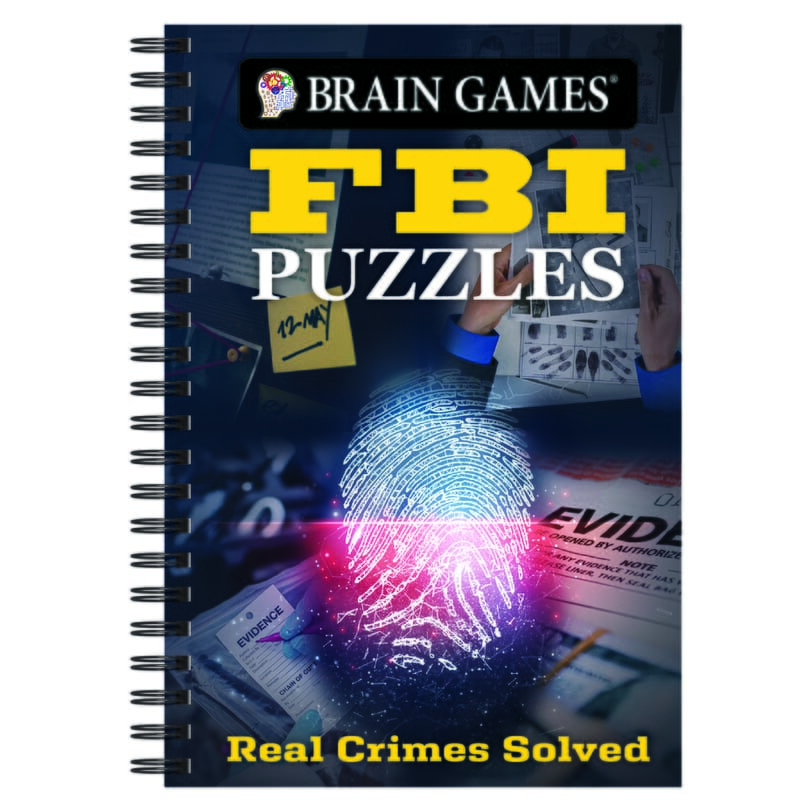
Michael Novakhov – @mikenovThe Puzzles And The EvidenceAI ReviewSearch inside imageDetective puzzle hi-res stock photography and images – Page 2 – AlamyVisitGet this image on: Alam…
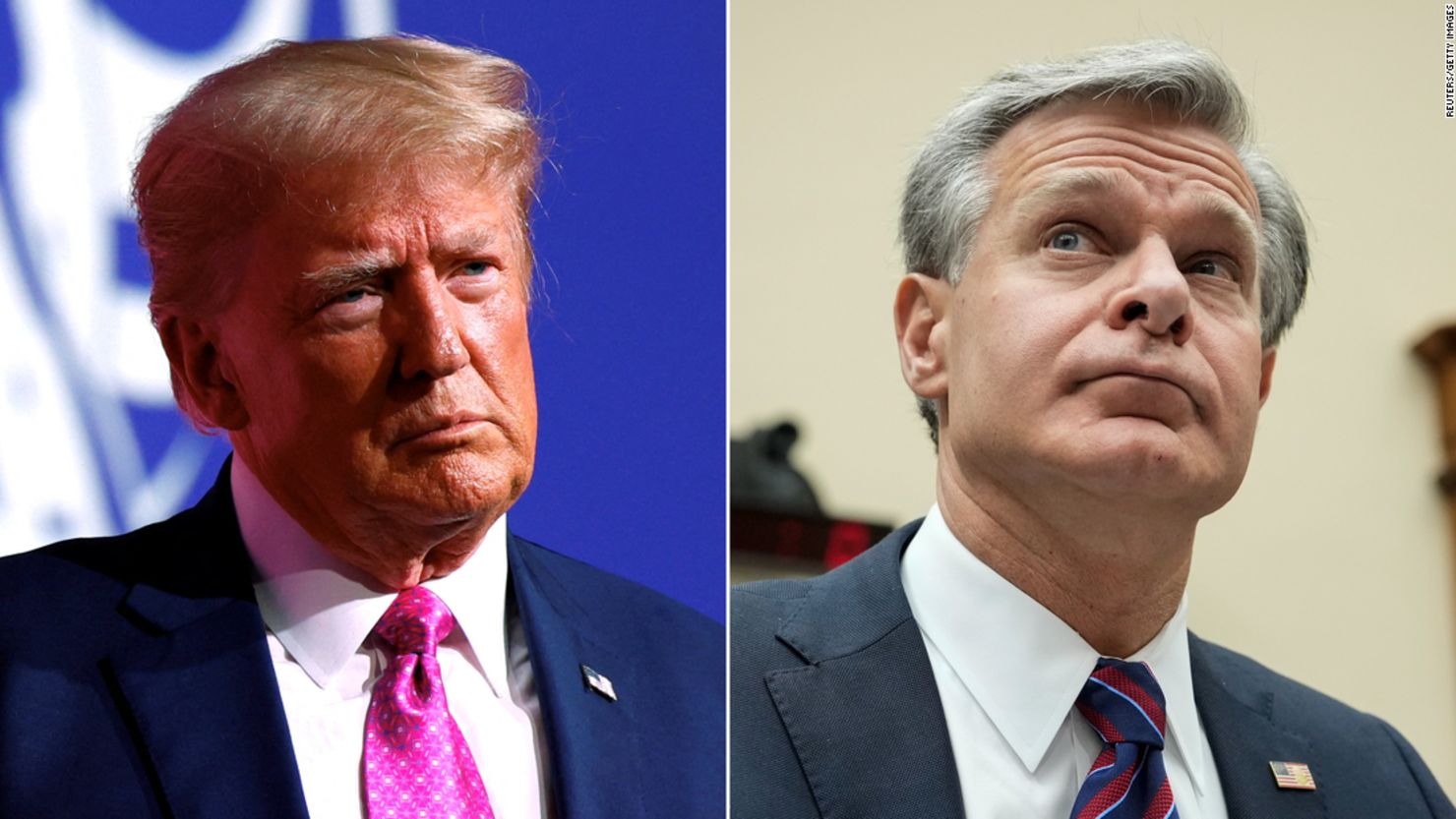
Search inside imageHow Trump turned the ‘law and order party’ into an enemy of the FBI | CNN PoliticsVisitImages may be subject to copyright. Learn MoreDid the FBI and Mossad get T…
Search inside imageRussia-Ukraine War: Russian President Says Enemy Firing Points Being Suppressed | WIONWatchUploaded: May 22, 2025Russia’s Ukraine Buffer Zone PlanRussia has anno…
Two former top spy hunters offer exclusive new revelations about their quest to solve America’s greatest espionage mystery and what’s at stake with Kash Patel in charge of the FBI.
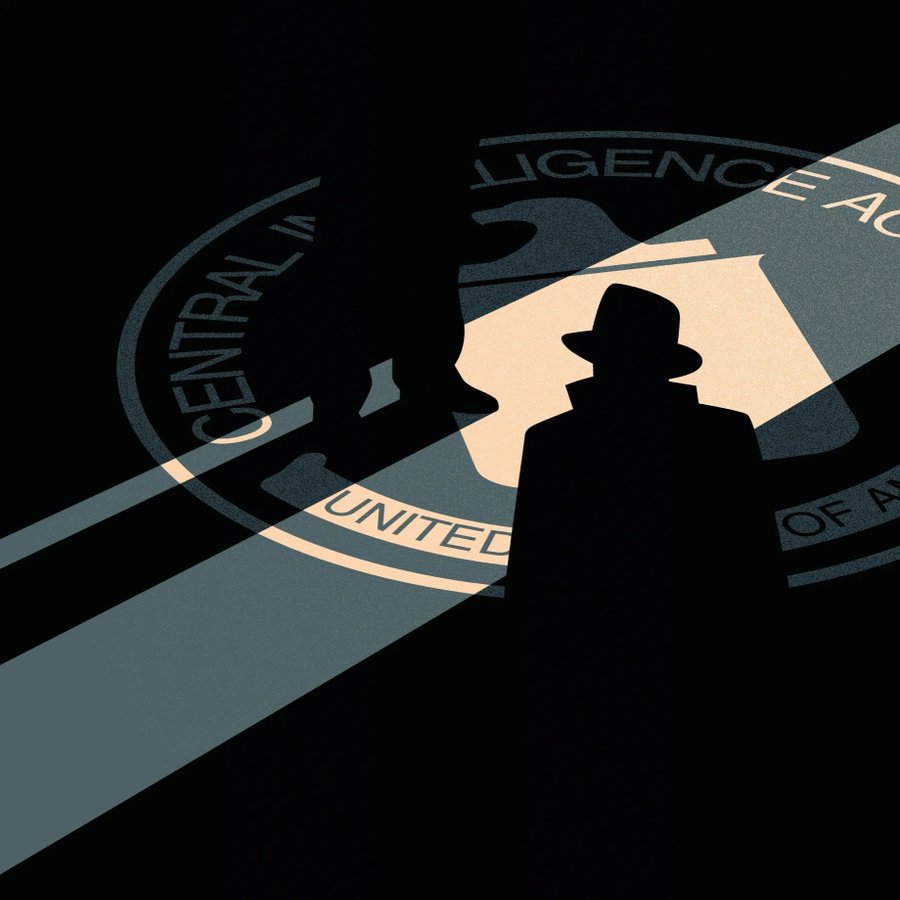
Illustrations by Hokyoung Kim for POLITICO
By Derek Owen and R.M. Schneiderman
Quote:
“In a series of exclusive interviews withPOLITICO Magazine, Szady and Redmond — along with dozens of other former intelligence officials — revealed new details about their work together and the controversies that developed between their agencies as the FBI tried to solve what is arguably America’s greatest espionage mystery. Was there yet another Soviet mole — a so-called “Fourth Man” — at the highest levels of American intelligence?
That crucial search may now be imperiled by Kash Patel, the MAGA diehard and director of the FBI, who has expressed his desire to reorient his bureau away from intelligence work. In September 2024, Patel appeared on The Shawn Ryan Show and lambasted the FBI and its leaders, claiming they’re part of a Deep State conspiracy against Trump, going back to the Russia investigation that dogged his 2016 campaign and his first years in office. “The biggest problem the FBI has had has come out of its intel shops,” he said. “I’d break that component out of it. I’d take the … employees … and send them across America to chase down criminals.”
The FBI says it’s committed to catching spies. But if Patel follows through on this idea, he might weaken or even eviscerate the Bureau’s counterintelligence capabilities, making it easier for America’s enemies — China, Russia, Iran and others — to infiltrate the U.S. government and private companies. “We’re going to catch fewer spies and only know about the spies when it’s too late,” Frank Figliuzzi, a former assistant director for counterintelligence at the FBI, said. “That’s really dangerous.”
The prospect that the hunt for the “Fourth Man” — and other longstanding, deadly, spy vs. spy cases — might be ignored, is an affront to those who suffered and died from the betrayal, according to former counterintelligence officials. “If there’s someone out there who was the ‘Fourth Man,’” Sellers said, “there’s blood on their hands.”