
Key Shifts in AI-Powered Espionage
- Democratic Hacking Capabilities: Accessible commercial AI models are being repurposed for espionage, enabling smaller groups to automate entire attack cycles—from reconnaissance to data exfiltration—with minimal human supervision.
- Massive Scale and Speed: AI agents can now perform 80-90% of a campaign’s workload, executing thousands of requests per second that would be impossible for human teams to match.
- Cognitive Warfare and “Mind Hacking”: Beyond traditional data theft, AI is being used in information operations to “hack minds” through interactive dialogues designed to persuade or manipulate individuals at scale.
- Identity as the New Perimeter: Traditional technical exploits are being replaced by stolen credentials and AI-assisted identity fraud, such as North Korean operators using deepfakes to pose as remote job applicants to infiltrate organizations. [2, 5, 6, 7, 8]
Rising Global Tensions and Geopolitical Impact [9]
- The US-China Arms Race: The competition between the US and China for AI dominance is described as the most perilous era for espionage in history. Chinese tech firms are reportedly using AI to track and sell intelligence on US military movements, including aircraft carrier positions.
- Persistent Regional Conflict: Tensions in the Middle East have sparked a surge in Iran-linked cyber espionage, targeting diplomatic, military, and infrastructure sectors far beyond the immediate conflict zone.
- Blurring Lines of Conflict: Emerging technologies are making it increasingly difficult to distinguish between state-sponsored espionage, private cybercrime, and actual acts of war.
- Decreasing National Confidence: Global confidence in national cyber preparedness is slipping. Only 31% of respondents in the 2026 World Economic Forum report feel confident in their nation’s ability to respond to major cyber incidents. [2, 3, 8, 10, 12, 13, 14, 15]
Strategic Implications for 2026
- From Detection to Trust: Defensive strategies are shifting from simple intrusion detection to verifying “identity and trust” as the primary means of protection.
- Zero-Day Economics: AI is compressing the time between the discovery of a software vulnerability and its widespread exploitation, enabling mass campaigns that were previously too expensive to run.
- Infrastructure Vulnerability: State actors are increasingly “pre-positioning” in critical infrastructure (like power and water systems) as strategic leverage to be activated during future crises. [6, 8, 17, 18]
AI Brief
AI Espionage Shifts and Global Tensions Rise
Key Stories
-
AI is reshaping the world of intelligence — The integration of AI into open-source intelligence is a total game changer for agencies like the CIA and FBI, helping them connect dots across massive datasets faster than ever.
-
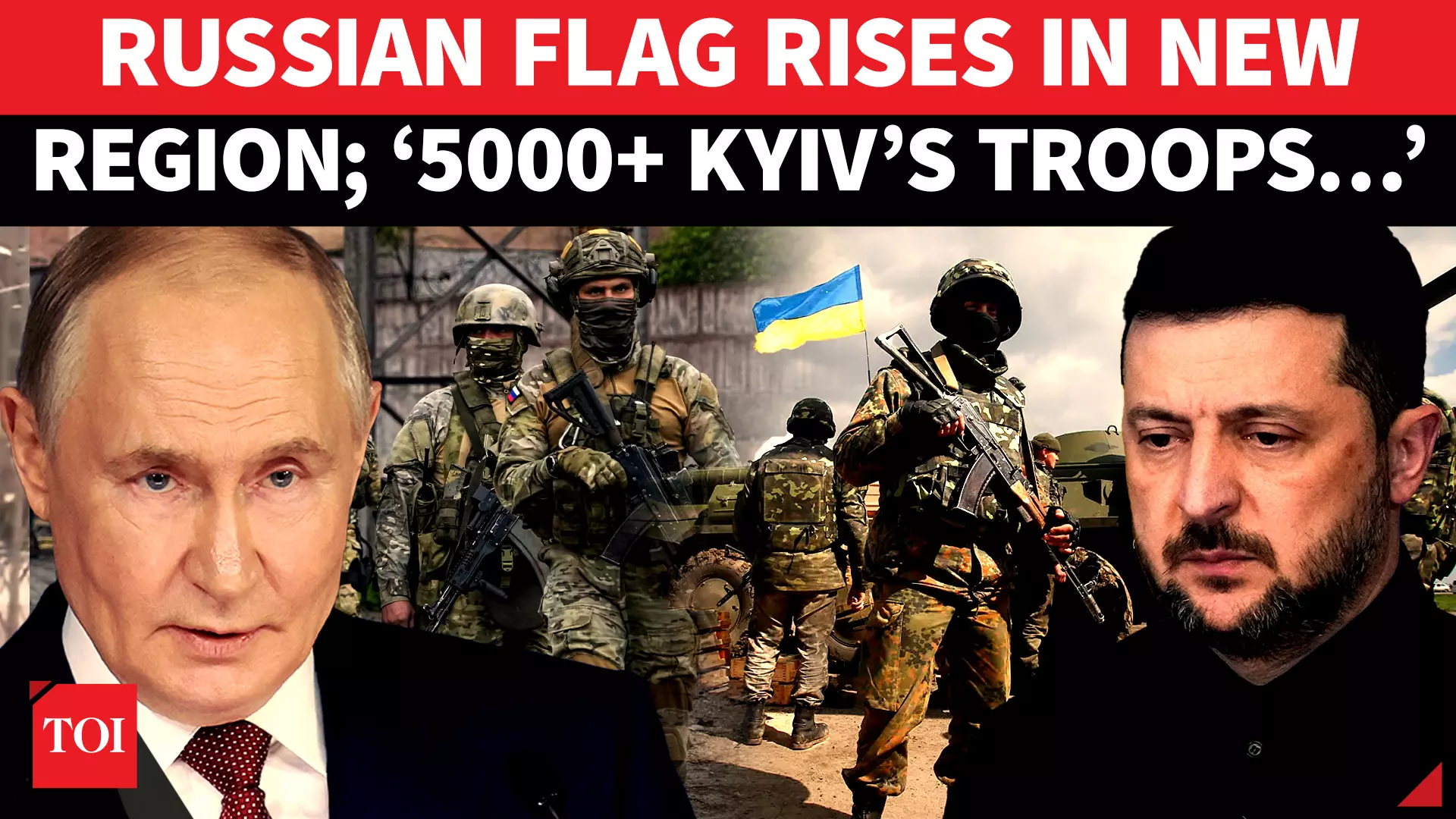
Geopolitical threats spark World War 3 fears — Recent ultimatums from world leaders and ongoing conflicts in Russia and Ukraine have sparked intense discussions about whether we are heading toward a much larger global war.
-
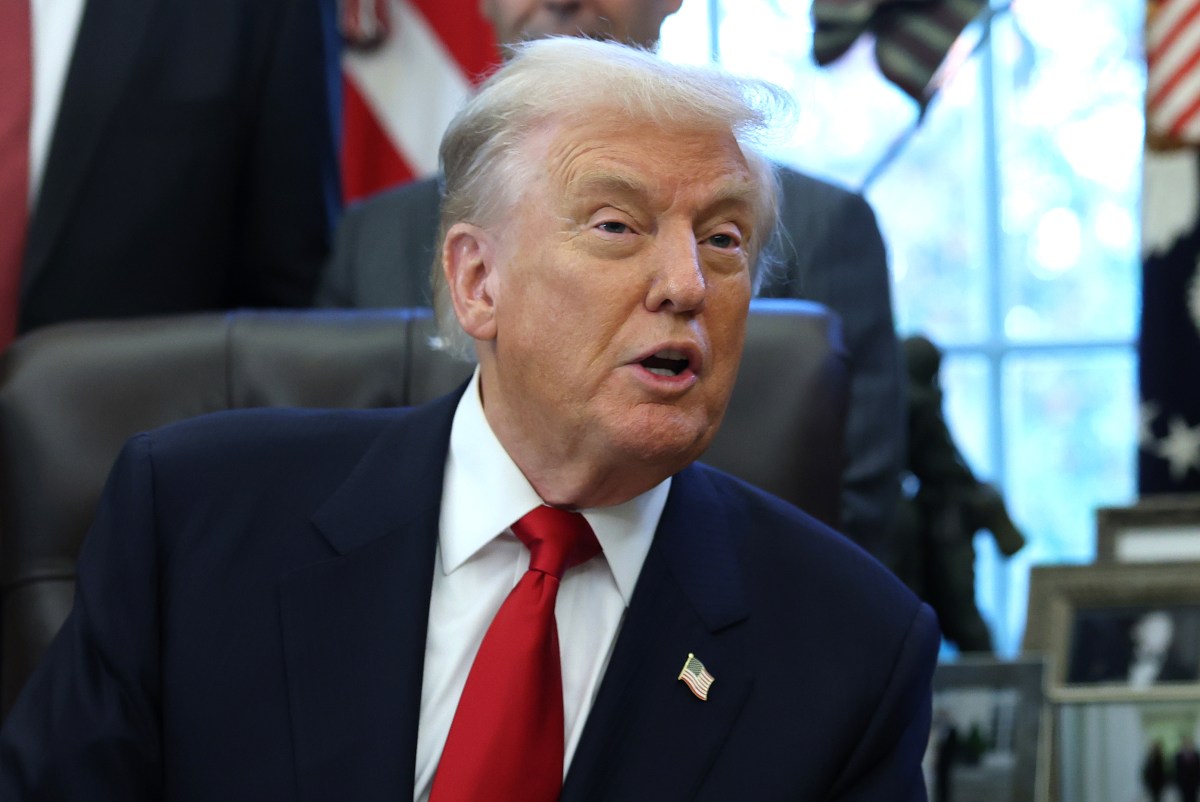
High profile figures dominate the news cycle — Major names like Donald Trump and Elon Musk continue to drive headlines as their influence over politics and technology remains a central focus of public debate.
TL;DR
Intelligence agencies are leaning heavily into AI to transform how they handle open-source data, while geopolitical tensions reach a boiling point. Between new tech in spycraft and dire warnings about global conflict, the landscape of modern warfare is changing fast.

Trump

Articles and Tweets

Elon Musk

Russia-Ukraine

FBI News

Brooklyn

Blogs

Video Playlists: News and Politics

Audio News Review

Tensions Flare as Iran Closes Strait of Hormuz: Tensions are hitting a boiling point as Iran has once again shut down the Strait of Hormuz, a critical shipping route for the world’s oil. The move comes right as a ceasefire was set to expire, sparking a swift response from Washington and reports of military action.

Who could be the handful of world tyrants that Pope Leo mentioned? Is this a trio of Trump, Putin, and Netanyahu? Who could be behind them?

Headline News

Trump, Netanyahu, Putin, Mob
Video Playlists: News and Politics

Video
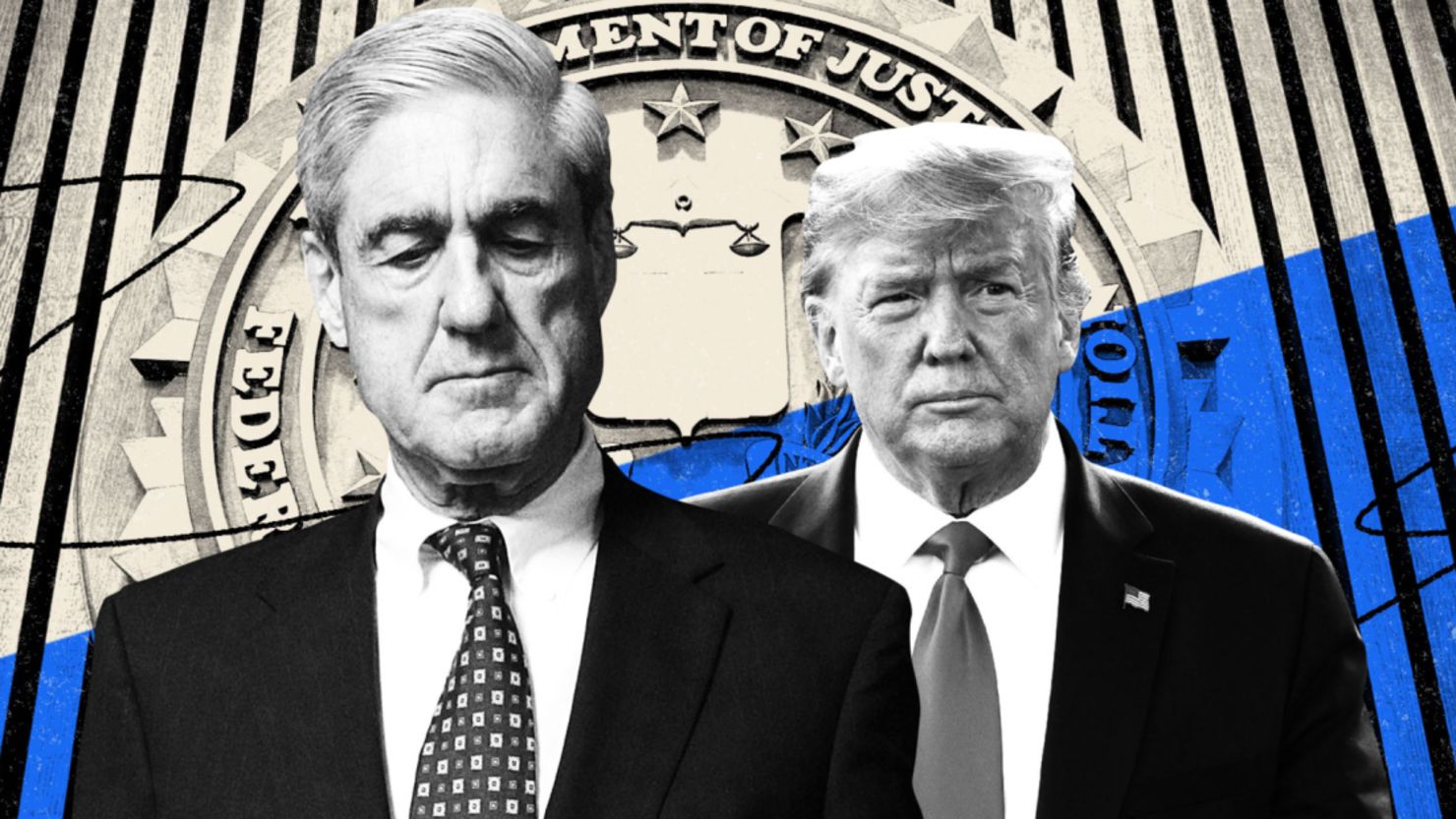
Trump and FBI

Your subscription has been updated
Audio News Review
Brooklyn
Blogs

Pope Leo issues sharp warning against world tyrants. Pope Leo has issued a rare and forceful critique of global leadership following fresh verbal attacks from the former U.S. leader.
Trump

The Gemini Chats: The Epistemological Gap (In OSINT AI Analysis): An absence of evidence often simply means the information is not presently and publicly accessible. The release of further files could easily alter the evidentiary landscape.