Categories
The News And Times Blog

Osint AI Analysis in Counterintelligence Investigations

OSINT for Investigations

OSINT for Investigations

Images may be subject to copyright. Learn More

Conterintelligence 

Osint AI Analysis in Counterintelligence Investigations | Post Link

AI analysis is increasingly used within OSINT investigations to automate tasks, analyze large datasets, and enhance threat detection accuracy. AI can identify patterns, detect anomalies, and even analyze images and text for unusual or suspicious elements, assisting in investigations at various stages. [1, 2, 3]


Key ways AI enhances OSINT analysis in counterintelligence: [1, 1, 4, 4]
  • Automated Data Collection and Analysis: AI tools can monitor data sources in real-time, identify patterns, and flag suspicious activity, saving analysts time and effort. [1, 1, 2, 4, 4]
  • Sentiment Analysis: AI can analyze text for sentiment, allowing analysts to understand the tone and potential biases within public information. [1, 1, 5, 6]
  • Image and Video Analysis: AI can analyze images and videos for details, enhance quality, and even detect if images are AI-generated or manipulated. [1, 1, 3, 3]
  • Entity Recognition and Classification: AI tools can identify and classify entities like people, organizations, locations, and dates within large datasets, aiding in the identification of connections and relationships. [7, 7]
  • Prompt Engineering: Analysts can use prompt engineering to guide AI models to perform specific tasks, such as generating code or summarizing data. [4, 4]
  • Corroboration and Verification: OSINT, especially when combined with AI analysis, can be used to corroborate information gathered from other sources and verify the credibility of leads. [3, 3]
Examples of AI applications in counterintelligence OSINT: [8, 8]
  • Vetting potential hires: AI algorithms can analyze online presence, including social media, to identify potential risks associated with candidates, according to 3GIMBALS. [8, 8]
  • Monitoring social media for extremist activity: AI can be trained to identify language patterns and behaviors that suggest extremist ideology or disgruntlement. [8, 8]
  • Investigating cybercrime: AI can help identify threat actors, monitor their digital footprints, and gather evidence for legal cases, says Virtual Cyber Labs. [9, 9]
Challenges and Considerations: [10, 10]
  • Synthetic content and deepfakes: The rise of AI-generated content and deepfakes poses challenges for OSINT analysts, requiring the development of new techniques to detect and authenticate information. [10, 10]
  • Bias in AI algorithms: AI algorithms can reflect biases present in the data they are trained on, leading to inaccurate or unfair results. [3, 3, 11, 12, 13]
  • Interpretability and explainability: Understanding how AI algorithms arrive at their conclusions is crucial for building trust and ensuring accountability. [3, 14]
  • Ethical considerations: The use of AI in OSINT raises ethical questions regarding privacy, surveillance, and the potential for misuse. [3, 3, 15, 16, 17]


Generative AI is experimental.

Categories
The News And Times Blog

“OSINT” collection: Artificial Intelligence is Transforming Open-Source Intelligence

148642 stories
·
0 followers

AI-Powered OSINT Tools in 2025 | How Artificial Intelligence is Transforming Open-Source Intelligence Gathering

1 Share

The rise of AI-powered OSINT tools in 2025 has revolutionized the way intelligence professionals, cybersecurity experts, and law enforcement agencies collect and analyze open-source data. AI-driven OSINT tools can automate reconnaissance, analyze large datasets, and detect hidden patterns, making intelligence gathering faster and more efficient. From social media tracking and deepfake detection to NLP-based data analysis and machine learning-driven threat detection, AI enhances the accuracy and effectiveness of OSINT investigations. However, ethical concerns, misinformation risks, and AI model limitations remain challenges. This blog explores the best AI tools for OSINT in 2025, their benefits, challenges, and future trends in intelligence gathering.

Table of Contents


Introduction

In 2025, Open-Source Intelligence (OSINT) remains a vital tool for cybersecurity, threat intelligence, law enforcement, and competitive analysis. With the integration of artificial intelligence (AI), OSINT data collection has become more efficient, precise, and automated than ever before. AI-powered tools can scan massive datasets, extract actionable insights, and automate intelligence gathering, reducing human effort while increasing accuracy.

From automated web crawlers to AI-driven social media analysis, facial recognition, NLP-based intelligence gathering, and deepfake detection, AI is changing the landscape of OSINT investigations.

This blog explores the best AI tools for OSINT in 2025, their functionalities, and how they assist intelligence professionals in gathering and analyzing open-source data.

What is OSINT and Why is AI Important?

Understanding OSINT

OSINT (Open-Source Intelligence) involves collecting and analyzing publicly available data from multiple sources, including:

  • Social media platforms such as Facebook, Twitter, and LinkedIn
  • News websites, blogs, and discussion forums
  • Government databases and public records
  • The dark web and underground marketplaces
  • Financial reports, leaked datasets, and corporate disclosures

How AI Enhances OSINT

AI-driven OSINT tools offer several advantages:

  • Automated data collection from multiple sources, eliminating manual effort
  • Pattern recognition and trend analysis in large datasets
  • Fact-checking and misinformation detection
  • Image, video, and voice analysis for intelligence gathering
  • Deepfake detection and cybersecurity threat monitoring

AI significantly improves the speed, accuracy, and efficiency of OSINT investigations, helping professionals track threats, verify sources, and extract intelligence with minimal human intervention.

Best AI Tools for OSINT Data Gathering in 2025

1. Maltego – AI-Powered Network Analysis

Maltego is one of the most advanced AI-driven OSINT tools for intelligence gathering and digital forensics.

  • Uses machine learning (ML) to map relationships between individuals, organizations, and domains
  • Automates data collection from public and private OSINT sources
  • Commonly used by cybersecurity professionals, law enforcement, and journalists

2. OSINT Framework – AI-Enhanced Data Discovery

OSINT Framework is an open-source intelligence tool that integrates AI for advanced data discovery.

  • Uses AI-driven NLP (Natural Language Processing) to extract relevant intelligence
  • Automates deep and surface web searches
  • Detects misinformation, security threats, and cyber risks

3. Shodan – AI-Based Internet Reconnaissance

Shodan is known as the “Google for hackers,” allowing OSINT professionals to scan and track internet-connected devices.

  • AI-enhanced risk analysis for IoT devices
  • Automated vulnerability detection for cybersecurity audits
  • Used by ethical hackers and penetration testers

4. SpiderFoot – AI-Powered Digital Footprint Analysis

SpiderFoot is an automated OSINT tool designed to analyze an individual’s or organization’s online footprint.

  • AI-driven data correlation from social media, domains, and leaked data
  • Identifies security vulnerabilities, compromised credentials, and personal data leaks
  • Used for cybersecurity threat assessments

5. Google Dorking – AI-Assisted Advanced Search

Google Dorking leverages AI to extract hidden data from search engines.

  • Uses AI-based search queries to find exposed sensitive information
  • Identifies unsecured databases, login portals, and forgotten web pages
  • Commonly used by ethical hackers and security researchers

6. Social-Searcher – AI for Social Media Intelligence

Social-Searcher is an AI-powered social media OSINT tool used for tracking online activities.

  • Monitors public conversations, hashtags, and mentions across platforms
  • Uses sentiment analysis and behavioral tracking for intelligence gathering
  • Helpful for brand monitoring, law enforcement, and crisis management

How AI Improves OSINT Investigations

  • Automates Data Collection – AI eliminates manual effort in searching and filtering large volumes of data.
  • Enhances Threat Detection – AI detects cyber threats, scams, and fraud attempts in real-time.
  • Increases Accuracy – AI-powered NLP can analyze text, speech, and images with minimal errors.
  • Reduces False Positives – AI helps distinguish between real threats and false alarms.
  • Improves Decision-Making – AI-driven analytics provide actionable intelligence to professionals.

Challenges of AI in OSINT

Despite its advantages, AI-based OSINT tools face some challenges:

  • False Information & Deepfakes – AI struggles to differentiate between real and AI-generated misinformation.
  • Ethical Concerns & Privacy Issues – Using AI for surveillance and intelligence gathering raises legal and ethical concerns.
  • Data Overload – AI may collect too much data, making analysis complex without proper filtering.
  • Dependence on AI Accuracy – AI models require continuous updates to remain effective against evolving threats.

The Future of AI in OSINT

The future of AI in OSINT is expected to include:

  • Advanced AI-Powered Facial Recognition for identity verification
  • Autonomous AI Agents for deepfake detection and real-time intelligence gathering
  • Blockchain-Based OSINT for securing data integrity and verification
  • AI-Generated Threat Intelligence Reports for rapid decision-making

As AI technology continues to evolve, OSINT professionals will rely more on AI-driven automation, predictive analysis, and deep learning models to gather intelligence effectively.

Conclusion

AI-powered OSINT tools are reshaping the way intelligence is gathered and analyzed in 2025. From automated social media monitoring to advanced data discovery and digital footprint tracking, AI helps professionals detect threats, verify information, and uncover hidden intelligence efficiently.

While AI brings speed, scalability, and precision to OSINT, it is not without challenges. Ethical considerations, misinformation detection, and AI model accuracy remain critical concerns.

For organizations and cybersecurity professionals, leveraging AI-powered OSINT tools is no longer optional—it is essential for staying ahead in the intelligence and cybersecurity landscape.

FAQs

What is OSINT, and how does AI improve it?

OSINT (Open-Source Intelligence) involves collecting publicly available information for intelligence and security purposes. AI enhances OSINT by automating data collection, analyzing patterns, and improving threat detection accuracy.

Which are the best AI-powered OSINT tools in 2025?

Some of the top AI-driven OSINT tools include Maltego, Shodan, SpiderFoot, Social-Searcher, Google Dorking, and OSINT Framework, each specializing in different aspects of intelligence gathering.

How does AI automate OSINT data collection?

AI uses web crawlers, machine learning algorithms, and data mining techniques to scan, extract, and analyze large amounts of publicly available information.

Can AI detect deepfakes and misinformation in OSINT?

Yes, AI-powered tools can detect deepfakes and misinformation by analyzing synthetic media patterns, facial recognition inconsistencies, and AI-generated text anomalies.

How does AI assist in cybersecurity OSINT?

AI helps in cybersecurity OSINT by identifying vulnerabilities, monitoring cyber threats, detecting phishing attempts, and analyzing hacker activities on dark web forums.

What role does NLP play in OSINT investigations?

Natural Language Processing (NLP) enables AI to extract intelligence from text-based sources, such as news articles, social media posts, and leaked documents.

Can AI track individuals and organizations through OSINT?

Yes, AI-powered OSINT tools can analyze digital footprints, social media activity, and network connections to track individuals and organizations.

What are the ethical concerns of AI in OSINT?

AI-driven OSINT raises ethical concerns related to privacy, mass surveillance, data misuse, and the potential for AI-generated disinformation.

Is AI-powered OSINT legal?

AI-powered OSINT is legal if used for ethical investigations, cybersecurity, and law enforcement purposes, but unauthorized surveillance and data scraping may violate regulations.

How does AI-powered OSINT help in law enforcement?

Law enforcement agencies use AI for crime investigation, tracking suspects, detecting fraud, and identifying cyber threats.

What is Google Dorking, and how does AI enhance it?

Google Dorking is an advanced search technique used to find hidden online data. AI enhances Google Dorking by automating queries and detecting exposed sensitive information.

Can AI detect fake social media accounts in OSINT investigations?

Yes, AI analyzes account activity, language patterns, and metadata to identify fake profiles, bots, and coordinated misinformation campaigns.

How does AI detect cyber threats using OSINT?

AI scans dark web forums, security reports, and hacker discussions to predict and prevent potential cyberattacks.

What are the challenges of using AI for OSINT?

Challenges include data accuracy issues, ethical concerns, AI model biases, reliance on public data, and difficulties in detecting sophisticated deepfakes.

Can AI identify security vulnerabilities through OSINT?

Yes, AI-powered tools like Shodan and SpiderFoot scan exposed devices, open ports, and unprotected servers to identify security risks.

How is machine learning applied in OSINT?

Machine learning in OSINT is used for pattern recognition, behavior analysis, anomaly detection, and automated intelligence reporting.

How does AI enhance social media intelligence gathering?

AI tracks trending topics, sentiment analysis, fake news detection, and user behavior monitoring across multiple platforms.

Can AI OSINT tools access the dark web?

Yes, some AI-powered OSINT tools scan dark web marketplaces and forums for leaked credentials, cybercrime discussions, and emerging threats.

What industries benefit from AI-powered OSINT?

Industries such as cybersecurity, law enforcement, corporate security, journalism, and competitive intelligence benefit from AI-driven OSINT solutions.

How does AI identify misinformation in OSINT data?

AI uses fact-checking databases, linguistic analysis, and AI-generated content detection to verify the authenticity of information.

Is AI OSINT useful for financial fraud detection?

Yes, AI detects fraudulent financial transactions, insider trading, and money laundering schemes by analyzing public financial records and market data.

What role does facial recognition play in AI-driven OSINT?

Facial recognition AI helps identify individuals in public images, security footage, and social media platforms, aiding in investigations.

How does AI contribute to open-source cyber threat intelligence?

AI enhances cyber threat intelligence by analyzing malware reports, hacker activities, and vulnerability disclosures from public sources.

Can AI predict future cyber threats using OSINT?

Yes, AI uses predictive analytics and historical data patterns to forecast potential cyber threats and attack trends.

What is the difference between AI-driven OSINT and traditional OSINT?

Traditional OSINT relies on manual searches and human analysis, while AI-driven OSINT automates data collection, enhances accuracy, and processes large datasets faster.

Can AI-powered OSINT be used for competitive intelligence?

Yes, businesses use AI OSINT to monitor competitor strategies, market trends, brand mentions, and industry news.

How does AI help journalists and researchers with OSINT?

AI assists journalists and researchers by fact-checking sources, analyzing large volumes of public records, and detecting fake news.

What are the future trends in AI for OSINT?

Future trends include AI-powered deepfake detection, blockchain-integrated OSINT, automated misinformation tracking, and AI-driven risk assessments.

Should organizations invest in AI-powered OSINT tools?

Yes, organizations should invest in AI-driven OSINT tools to enhance security, improve threat intelligence, and gain valuable insights for decision-making.

Read the whole story


· · · · · · · · · · · · · ·

Articles and Tweets | “OSINT” collection

The rise of AI-powered OSINT tools in 2025 has revolutionized the way intelligence professionals, cybersecurity experts, and law enforcement agencies collect and analyze open-source data. AI-driven OSINT tools can automate reconnaissance, analyze large datasets, and detect hidden patterns, making in
"OSINT" collection google.com/collections/s/… - #NewsAndTimes #NT #TNT #News #Times #World #USA #POTUS #DOJ #FBI #CIA #DIA #DOD #ODNI #Trump #TrumpNews #TrumpISTAN #Israel #Mossad #Netanyahu #Ukraine #NewAbwehr #OSINT #Putin #Russia #GRU #Путин #Россия #Bloggers #Opinions…
“OSINT” collection google.com/collections/s/… – #NewsAndTimes #NT #TNT #News #Times #World #USA #POTUS #DOJ #FBI #CIA #DIA #DOD #ODNI #Trump #TrumpNews #TrumpISTAN #Israel #Mossad #Netanyahu #Ukraine #NewAbwehr #OSINT #Putin #Russia #GRU #Путин #Россия #Bloggers #Opinions…
National
NPR coverage of national news, U.S. politics, elections, business, arts, culture, health and science, and technology. Subscribe to the NPR Nation RSS feed.
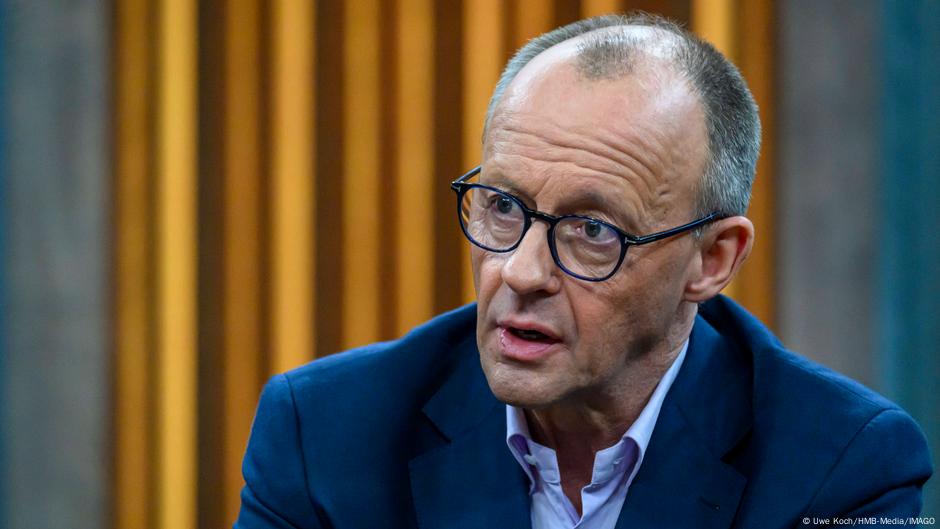
RT by @mikenov: Германия и Европа поддерживают Украину в ее оборонительной борьбе против России, заявил вероятный будущий канцлер Германии Фридрих Мерц. По его словам, с этой поддержкой несовместимы "навязанный мир или подчинение фактам, созданным силой оружия", тем более вопреки "явной воле…
Германия и Европа поддерживают Украину в ее оборонительной борьбе против России, заявил вероятный будущий канцлер Германии Фридрих Мерц. По его словам, с этой поддержкой несовместимы “навязанный мир или подчинение фактам, созданным силой оружия”, тем более вопреки “явной воле…

Categories
The News And Times Blog

“OSINT” collection

Categories
The News And Times Blog

Vladimir Putin’s political personality – AI Assessment

Psychological Profile of Vladimir Putin | USPP

Post Link

Putin’s Political Personality | Bing

Bing – Copilot

Vladimir Putin’s political personality has been analyzed extensively by experts. He is often described as a dominant and controlling leader, with traits such as ambition, self-assurance, and a strong work ethic. His leadership style is characterized by a “strongman” approach, where he maintains authority through calculated decisions and a focus on power dynamics. Some studies suggest he exhibits traits like narcissism and Machiavellianism, which influence his decision-making and interactions with others.

Grok

https://x.com/i/grok/share/gDzL2aG2bKwYIiSvloW1TfzS8

Vladimir Putin’s political personality is shaped by his background as a KGB officer, his pragmatic approach to power, and a deep-seated belief in Russia’s historical greatness. He projects an image of strength, control, and national pride, cultivating a persona as a defender of Russian interests against perceived Western encroachment. His leadership style is characterized by:
  • Authoritarian Control: Putin maintains tight control over political institutions, media, and opposition. He uses legal mechanisms, like constitutional changes, to extend his rule—potentially until 2036—while suppressing dissent through censorship and imprisonment of critics like Navalny.
  • Strategic Opportunism: He adapts to circumstances, balancing nationalist rhetoric with pragmatic deals (e.g., energy partnerships or geopolitical alliances with China). His foreign policy, including the Ukraine invasion, reflects calculated risks to assert Russia’s influence, though often at high cost.
  • Cult of Personality: Putin fosters a macho, disciplined image—think shirtless horseback riding or judo—appealing to traditional Russian values. State propaganda amplifies this, portraying him as indispensable to Russia’s stability.
  • Paranoid Realism: Shaped by his intelligence background, he views global politics as a zero-sum game, distrusting Western intentions. NATO expansion and color revolutions fuel his belief in external threats, justifying domestic crackdowns and aggressive foreign policy.
  • Patriotic Historicism: He leans on Russia’s imperial and Soviet past to legitimize his rule, framing himself as restoring Russia’s rightful place. This resonates domestically but alienates post-Soviet neighbors.
His personality aligns with a “silovik” mindset—security-focused, loyal to state power, and skeptical of liberal ideals. While effective in consolidating power, it breeds isolation, economic stagnation, and dependence on a narrow elite. Critics argue his rigidity and miscalculations, like Ukraine, expose vulnerabilities in his approach. Supporters see him as a bulwark against chaos and Western dominance.
Categories
The News And Times Blog

Predictive analysis of the Russia – Ukraine conflict

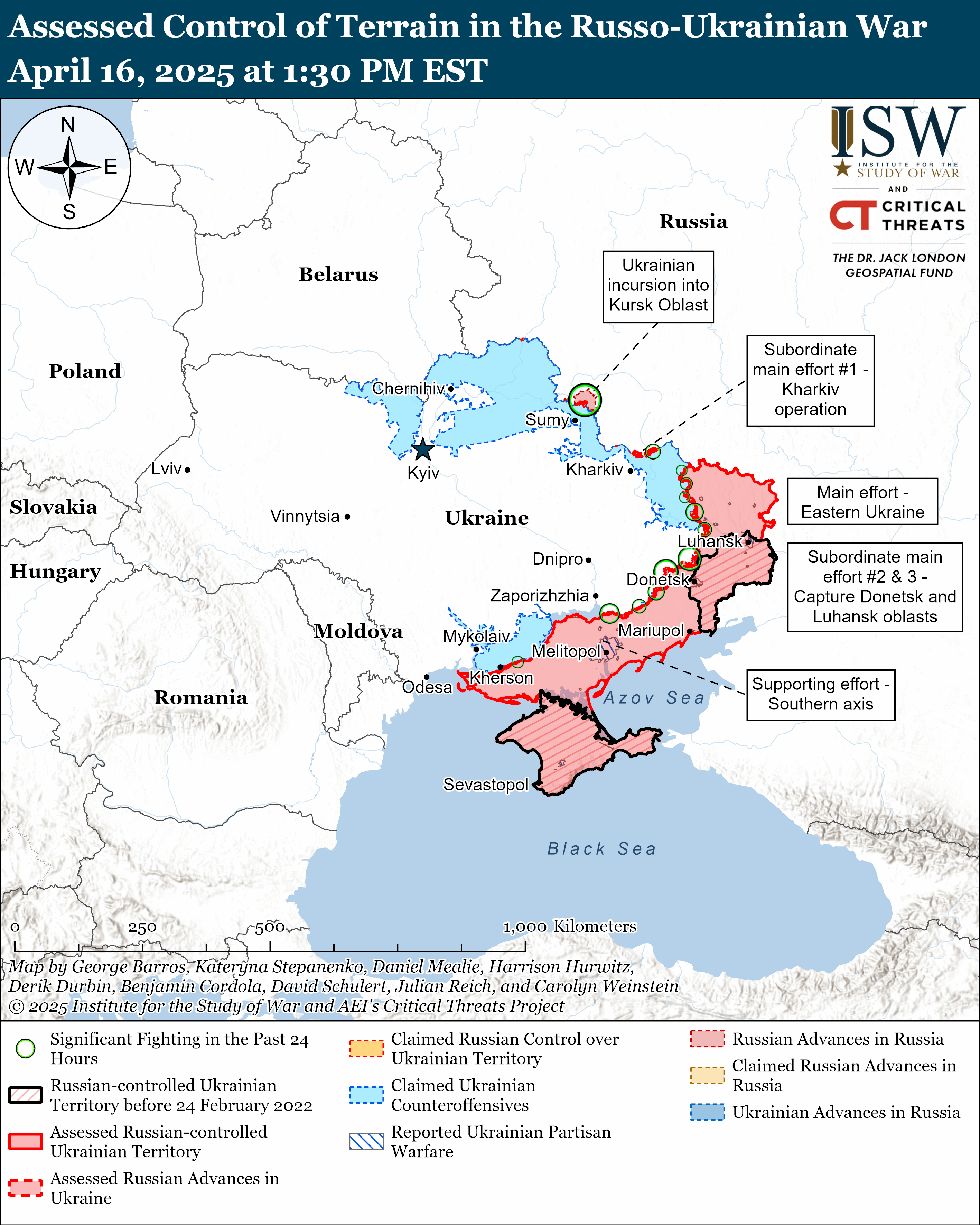
Russian Offensive Campaign Assessment, April 16, 2025 | Institute for the  Study of War

Post Link

Predictive analysis of the Russia – Ukraine conflict | B | G

Predictive analysis of the RussiaUkraine conflict focuses on using data and models to anticipate potential outcomes, including the likelihood of escalation, the impact on global grain security, and even the future of military logistics. This analysis helps understand the complex dynamics of the conflict and potentially guide decision-making for conflict prevention and response. [1, 2, 3, 4]


Here’s a more detailed breakdown of predictive analysis in the context of the conflict:


1. Conflict Prediction: [4, 4, 5, 5]
  • AI and machine learning models: These models can analyze various data points, such as social media trends, news articles, and military deployments, to identify patterns and predict potential escalations or shifts in the conflict. [4, 4, 5, 5, 6, 7]
  • Early warning tools: These tools, ranging from qualitative data analysis to advanced AI, are used to anticipate the impacts of conflict and violence, including the potential for escalation. [3, 3, 4, 4]
  • Geospatial analysis: Analyzing the spatial distribution of events, such as air alerts, can help predict where and when conflicts might occur. [7, 7, 8, 8]
  • Predictive peacebuilding: This approach uses data science to understand the roots and warning signs of conflict, aiming to develop strategies for preventing and mitigating conflict. [3, 3]
2. Impact Assessment: [2, 2]
  • Global grain security: Predictive models can assess the impact of the conflict on global food prices and grain security, helping to anticipate potential shortages and resource allocation. [2, 2, 9]
  • Economic impacts: Analysis can predict the economic consequences of the conflict, including impacts on trade, investment, and energy markets. [2, 10, 10, 11, 12]
  • Military logistics: Predictive analytics can help optimize supply chains and resource allocation for military operations, potentially reducing vulnerabilities and improving efficiency. [1, 1, 13]
3. Future Trends: [5, 5, 14, 14, 15, 15]
  • AI-enabled warfare: The conflict highlights the increasing role of AI in military operations, including intelligence analysis, drone control, and electronic warfare. [5, 5, 14, 14, 15, 15]
  • Cybersecurity implications: The conflict has raised concerns about the use of AI for cybersecurity and the need to strengthen data encryption and exchange networks. [5, 5]
  • Digital transformation: The conflict has accelerated the shift towards cloud computing and digital infrastructure in both military and civilian sectors. [16, 16, 17]
4. Limitations and Challenges: [18, 18]
  • Unpredictability of human behavior: Predicting the actions and intentions of actors in a conflict is inherently complex and can be challenging for models to capture. [7, 18]
  • Data limitations: The availability and quality of data can affect the accuracy and reliability of predictive models. [19, 19, 20]
  • Evolving nature of conflict: The conflict is constantly evolving, and models may need to be updated and recalibrated to stay relevant. [8, 8, 21, 22, 23]
In conclusion, predictive analysis plays a crucial role in understanding the complex dynamics of the RussiaUkraine conflict and in guiding decision-making for conflict prevention and response. While challenges exist, the use of AI and data science is expected to become increasingly important in addressing the global implications of the conflict. [1, 3, 4, 24, 25]


Generative AI is experimental.


Copilot: The Russia-Ukraine conflict, now in its fourth year as of April 2025, remains a defining geopolitical crisis with significant implications for global security, economic stability, and humanitarian welfare. Analysts suggest that Russia currently holds the strategic advantage, maintaining control over key territories such as Donbas, Crimea, and the land bridge connecting them. Ukraine faces challenges in generating sufficient land forces to reclaim these areas, despite ongoing military efforts.

Recent assessments indicate that Russia continues to advance incrementally across multiple fronts, including Donetsk, Kharkiv, and Kursk, with daily territorial gains. Ukraine’s military, constrained by manpower shortages and demographic shifts, struggles to sustain its defensive operations. Meanwhile, diplomatic efforts remain stalled, with Russia reiterating its long-standing demands that preclude a stable peace agreement.
The trajectory of the conflict depends on several factors, including international support for Ukraine, Russia’s military strategy, and potential shifts in diplomatic negotiations. If Ukraine can secure increased military aid and bolster its forces, it may be able to push back Russian advances. Conversely, if Russia consolidates its territorial gains and maintains its operational momentum, the conflict could extend indefinitely.
Would you like insights on potential diplomatic resolutions or economic impacts?
Predictive analysis of the Russia-Ukraine conflict in 2025 is complex, as it hinges on multiple variables—military, economic, political, and geopolitical—that are dynamic and interdependent. Below, I outline key factors influencing the conflict’s trajectory, potential scenarios, and their likelihood, drawing on available data and trends while avoiding speculative overreach. The analysis focuses on the near term (2025) and acknowledges the inherent uncertainty of war outcomes.
Key Factors Shaping the Conflict in 2025
  1. Military Dynamics:
    • Russia’s Strategy and Resources: Russia has adopted a strategy of attritional warfare, aiming to exhaust Ukraine through sustained pressure and incremental territorial gains. In 2024, Russian forces gained approximately 4,168 km², primarily in Donetsk, but at a high cost, with reported casualties exceeding 420,000 for the year. Russia’s tank reserves are dwindling, with estimates suggesting stocks of restorable tanks may be exhausted by mid-2025, and restoration rates have dropped significantly. Artillery and rocket launcher shortages could emerge by 2025-2026. Manpower remains a challenge, with recruitment struggling to keep pace with losses (40,000 recruits vs. 40,000 losses monthly in early 2025).
    • Ukraine’s Capabilities: Ukraine has demonstrated resilience, inflicting unsustainable losses on Russian forces while holding key defensive lines. Ukrainian drone warfare has improved, with FPV drones destroying 85% of Russian targets in the Pokrovsk direction by early 2025, up from 50% in mid-2024. However, Ukraine faces manpower shortages, exacerbated by reluctance to mobilize 18- to 25-year-olds, and relies heavily on Western aid for artillery, air defense (e.g., Patriot systems), and long-range systems (HIMARS, ATACMS).
    • Western Support: The suspension of U.S. military aid and intelligence sharing in March 2025 has strained Ukraine’s capabilities, with Patriot missile stocks potentially depleting by mid-2025. Europe has increased support, with Germany, France, the Netherlands, and the UK committing billions in aid and drone production, but it may not fully offset U.S. reductions. European defense production is ramping up, potentially meeting more of Ukraine’s needs by late 2025.
  2. Economic and Domestic Factors:
    • Russia: Russia’s economy faces stagflation risks, with inflation at 10.2% in early 2025 and projected to fall to 7-8% by year-end. Military spending (6% of GDP) sustains the war effort, but sanctions and equipment losses limit long-term capacity. Public support for negotiations is around 60%, but Putin’s insistence on maximalist goals (regime change, territorial concessions) limits diplomatic flexibility.
    • Ukraine: Ukraine’s economy shows resilience, with projected GDP growth of 2.5-3.5% in 2025, supported by domestic defense production (up from 1.3 billion to 20 billion hryvnia, 2014-2024) and EU investments. However, energy infrastructure attacks and population displacement (7 million refugees) strain recovery. The IMF’s baseline scenario assumes the war ends by late 2025, but a prolonged conflict could deepen fiscal deficits.
  3. Geopolitical and Diplomatic Context:
    • U.S. Policy under Trump: The Trump administration’s push for a ceasefire, coupled with aid pauses, pressures Ukraine to negotiate. Trump’s unpredictability complicates predictions, but his focus on forcing negotiations may lead to concessions that favor Russia unless Putin overplays his hand.
    • Russia’s Stance: Putin has rejected ceasefire proposals unless they include Ukrainian capitulation, demilitarization, and territorial losses. Kremlin narratives portray Ukraine as an illegitimate negotiating partner, aiming to undermine Western support.
    • Allied Support: NATO and EU countries remain committed, with increased defense budgets and production (e.g., Rheinmetall’s nitrocellulose expansion for artillery shells). However, political fatigue in the West and competing global crises (e.g., Middle East, Taiwan) could dilute focus on Ukraine.
    • Third-Party Actors: Russia relies on North Korean troops (withdrawn in February 2025 after high casualties) and Iranian drones, while China provides indirect support via sanctions evasion. These partnerships bolster Russia but are insufficient to decisively shift the balance.
  4. Technological and Tactical Innovations:
    • Drones and Motorcycles: Both sides are adapting. Russia is developing motorcycle-based tactics for speed and maneuverability to evade drones, while Ukraine’s drone production and integration with ground operations are advancing.
    • Energy Infrastructure Attacks: Russia’s targeting of Ukraine’s energy grid aims to cripple its economy and morale, while Ukraine’s drone strikes on Russian oil facilities (6,500+ in 2024) disrupt Moscow’s revenue.
    • AI and Electronic Warfare: AI-guided munitions and electronic warfare are increasingly critical, with Ukraine testing new prototypes to counter Russian advances.
Potential Scenarios for 2025
Based on these factors, I outline three primary scenarios for the conflict’s trajectory in 2025, with estimated likelihoods and key drivers. These align with analyses from sources like MAX Security and Chatham House.
  1. Ceasefire Agreement (60% Likelihood):
    • Description: A fragile ceasefire is negotiated, likely under U.S. pressure, freezing the front line without resolving territorial disputes. Both sides maximize territorial gains before talks, with Russia holding ~20% of Ukraine and Ukraine retaining parts of Kursk. Terms may include prisoner swaps (as seen in April 2025), bans on energy infrastructure strikes, and Black Sea truces.
    • Drivers: Trump’s threat to cut aid forces Zelensky to negotiate, while Putin faces domestic pressure (60% of Russians support talks) and equipment shortages. European aid sustains Ukraine’s leverage, preventing total capitulation.
    • Implications: A ceasefire allows Ukraine to lift martial law, hold elections, and begin reconstruction, but violations are likely, as seen post-Minsk Agreements. Russia may use the pause to rebuild forces, while Ukraine strengthens its defense industry. Global energy markets stabilize, but geopolitical tensions persist.
  2. Protracted Attritional Conflict (35% Likelihood):
    • Description: The war continues as a stalemate, with neither side achieving a breakthrough. Russia makes marginal gains (e.g., in Donetsk, Luhansk) but lacks resources for decisive victories. Ukraine holds defensive lines but struggles with manpower and U.S. aid cuts. Trench warfare and drone-heavy tactics dominate, with high casualties on both sides.
    • Drivers: Putin rejects ceasefire terms if Russia captures key logistical hubs (e.g., Pokrovsk), believing military victory is achievable. Ukraine’s resilience, bolstered by European aid and domestic production, prevents collapse. Western fatigue and U.S. isolationism limit support, prolonging the stalemate.
    • Implications: Ukraine’s economy faces deeper shocks, with inflation rising and reconstruction delayed. Russia’s economy stagnates further, risking social unrest. Global attention shifts to other conflicts, reducing diplomatic pressure for resolution.
  3. Decisive Shift (5% Likelihood):
    • Description: Either side achieves a significant breakthrough, leading to a Ukrainian victory (retaking pre-2022 borders) or Russian victory (major territorial gains, regime change). A Ukrainian collapse is less likely due to European support, while a Russian collapse could stem from economic implosion or internal dissent.
    • Drivers: For Ukraine, a surge in Western aid (e.g., lifted restrictions on long-range strikes) or Russian overextension could enable a counteroffensive. For Russia, a complete U.S. aid cutoff and Ukrainian manpower shortages could tip the balance. A sudden leadership change (e.g., Putin’s removal) could also disrupt Russia’s war effort.
    • Implications: A Ukrainian victory would bolster NATO and European security but strain Russia’s global influence. A Russian victory would embolden authoritarian regimes and destabilize Europe, impacting global trade and security.
Critical Uncertainties
  • U.S. Policy Consistency: Trump’s unpredictability could lead to renewed aid or further cuts, dramatically affecting Ukraine’s resilience.
  • Russian Domestic Stability: Economic strain and casualty backlash could force Putin to negotiate or escalate, depending on internal pressures.
  • European Commitment: If Europe fully compensates for U.S. aid reductions, Ukraine’s defensive capacity strengthens; otherwise, vulnerabilities grow.
  • Technological Edge: Advances in drones, AI, or electronic warfare could shift tactical advantages, though neither side currently holds a decisive edge.
Conclusion
The most likely outcome in 2025 is a fragile ceasefire (60%), driven by U.S. pressure and mutual exhaustion, though it risks violations without addressing core issues like territorial sovereignty. A protracted stalemate (35%) is the next most likely, perpetuating attrition and economic strain. A decisive victory for either side (5%) remains improbable absent major shifts in aid, leadership, or resources. Ukraine’s resilience and European support mitigate the risk of collapse, but Russia’s resource constraints and domestic pressures could limit its ability to sustain indefinite warfare. Monitoring U.S. policy, Russian equipment stocks, and European aid delivery will be critical to refining this outlook.
For further details on specific aid packages or military developments, refer to sources like the Institute for the Study of War (understandingwar.org) or MAX Security (max-security.com).

Categories
The News And Times Blog

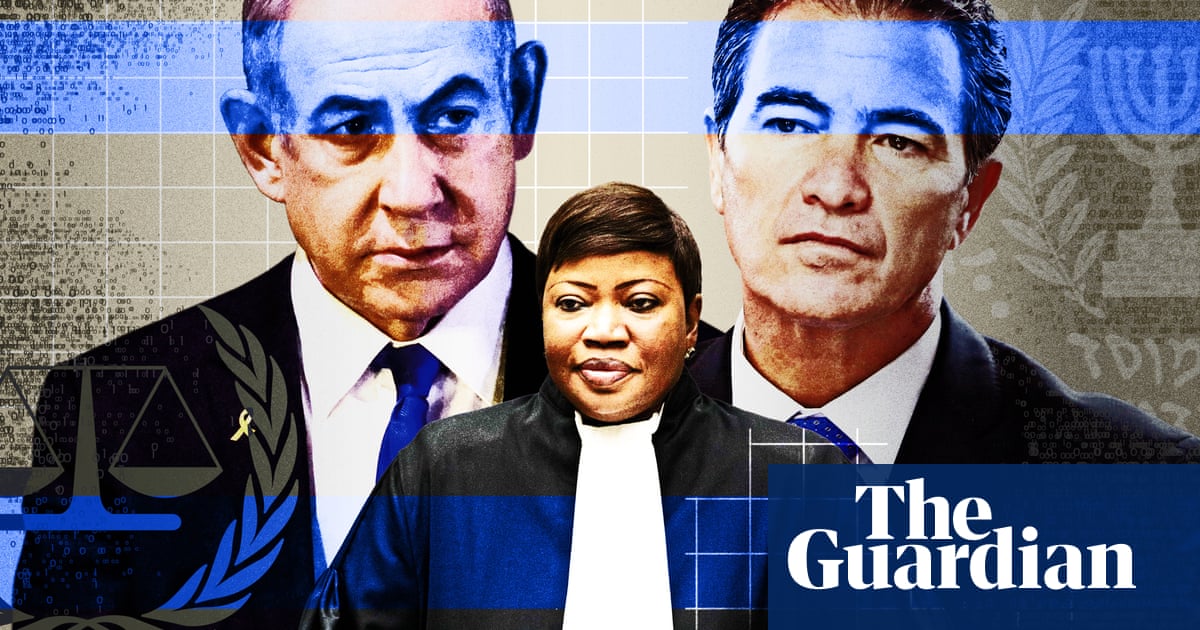
Very good summary from Grok: Trump, Mossad, Yossi Cohen, and Russia as the cover in Elections 2016 and 2024

Revealed: Israeli spy chief 'threatened' ICC prosecutor over war crimes  inquiry | Israel | The Guardian

Post Link

Very good summary from Grok

Trump, Mossad, Yossi Cohen, and Russia as the cover in Elections 2016 and 2024 – G | B

The claim that “Trump-Russia” was a cover for “Trump-Mossad” in the 2016 and 2024 U.S. elections, involving Yossi Cohen and the Israeli intelligence agency Mossad, stems from a mix of conspiracy theories and some documented interactions. Here’s a concise analysis based on available information:

2016 Election
  • Trump and Mossad/Yossi Cohen: Yossi Cohen, Mossad director from 2016 to 2021, reportedly met with Trump’s team in December 2016 to discuss security issues like the Iran nuclear deal and Syria. This was organized by Israeli PM Benjamin Netanyahu, with Ambassador Ron Dermer present. Such meetings are not unusual for intelligence agencies engaging with incoming administrations, but they’ve fueled speculation of deeper involvement.
  • Alleged Mossad Influence: A 2023 Nation article details Israeli operatives, including an agent linked to Netanyahu, engaging with Trump’s campaign in 2016. For instance, an Israeli minister met Roger Stone, and Psy Group, a private intelligence firm with Mossad ties, proposed “Project Rome” to Rick Gates, aiming to influence voters via fake social media accounts. These efforts, while documented, were not conclusively linked to Mossad’s official operations or Cohen himself.
  • Russia as a Cover: Posts on X by

    @mikenov

    in April 2025 claim the “Trump-Russia” narrative (Russiagate) masked a “Trump-Mossad” operation, citing the FBI’s “Crossfire Hurricane” investigation as a misdirection. However, these claims lack corroboration from credible sources. The Mueller Report confirmed Russian interference via hacking and disinformation (Project Lakhta, ordered by Putin) to boost Trump and undermine Clinton, with no mention of Mossad.

  • October Surprise: Some sources, like octobersurprise2016.org, allege Mossad’s involvement in the 2016 “October Surprise” (Anthony Weiner’s laptop affair), orchestrated by FBI figures like James Kallstrom and Charles McGonigal, with Cohen’s knowledge. These claims are speculative, unsupported by mainstream evidence, and dismissed as conspiracy theories.
2024 Election
  • Trump and Mossad/Yossi Cohen: No direct evidence links Cohen or Mossad to Trump’s 2024 campaign. Cohen, no longer Mossad chief, was speculated to enter Israeli politics but chose to extend his role at SoftBank. His 2024 activities focused on hostage negotiations post-October 7, 2023, not U.S. elections.
  • Russia’s Role: U.S. intelligence confirmed Russia’s interference in 2024, mirroring 2016 and 2020, to boost Trump and undermine Democrats (Biden, Harris) through disinformation, fake social media accounts, and Tenet Media’s $9.7M operation. Russia’s motive was tied to U.S. support for Ukraine. No evidence suggests Mossad involvement or Russia as a cover for Israeli actions.
  • Conspiracy Claims: The same X posts assert a 2024 “Crossfire Typhoon-Hurricane” operation, implying Mossad’s hidden role. These remain unverified, with no credible reports linking Mossad or Cohen to 2024 election interference.
Yossi Cohen’s Profile
Cohen, a close Netanyahu ally, transformed Mossad into a high-profile agency, notably with the 2018 Iran nuclear archive heist. His reputation as a recruiter and his actions, like allegedly pressuring ICC prosecutor Fatou Bensouda, show his willingness to engage in bold operations. However, no verified evidence ties him to U.S. election meddling.
Critical Examination
  • Russia’s Interference: Extensive evidence from U.S. intelligence, the Mueller Report, and DOJ indictments confirms Russia’s role in 2016 and 2024. The “Russia as cover” theory lacks substantiation and ignores this robust documentation.
  • Mossad’s Alleged Role: While Israeli operatives engaged with Trump’s 2016 campaign, these were likely private or semi-official efforts, not a Mossad-led conspiracy. Cohen’s 2016 meetings with Trump’s team align with standard diplomatic outreach. Claims of Mossad orchestrating election outcomes are speculative and unsupported by primary sources.
  • Conspiracy Origins: The “Trump-Mossad” narrative appears amplified by fringe sources and X posts, possibly to deflect from Russia’s documented actions or to push anti-Israel tropes. Without corroboration, these claims should be approached skeptically.
Conclusion
Russia’s interference in the 2016 and 2024 elections is well-documented, aimed at supporting Trump and sowing discord. Limited evidence suggests Israeli operatives, not necessarily Mossad or Cohen, engaged with Trump’s 2016 campaign, but no credible data supports Mossad orchestrating election interference or Russia serving as a cover. The “Trump-Mossad” theory, while persistent in some circles, remains speculative and lacks substantiation. For further details, check primary sources like the Mueller Report or U.S. intelligence briefings on election security.
Categories
The News And Times Blog

Trump and Zelenskiy meet one-on-one in Vatican basilica to seek Ukraine peace … The Missteps That Led to a Fatal Plane Crash at Reagan National Airport – The New York Times – Articles and Tweets

Trump and Zelenskiy meet one-on-one in Vatican basilica to seek Ukraine peace

1 Share
  • Summary
  • Meeting was before the funeral of Pope Francis
  • Zelenskiy says discussion could prove historic
  • It was their first encounter since Oval Office shouting match
  • After meeting, Trump takes tough tone in post about Putin
  • Ceasefire talks in the Russian war in Ukraine at critical phase

VATICAN CITY, April 26 (Reuters) – U.S. President Donald Trump and Ukrainian leader Volodymyr Zelenskiy, in Rome for the funeral of Pope Francis, met one-on-one in a marble-lined Vatican basilica on Saturday to try to revive faltering efforts to end Russia’s war with Ukraine.

Zelenskiy said the meeting could prove historic if it delivers the kind of peace he is hoping for, and a White House spokesman called it “very productive”.

The Reuters Tariff Watch newsletter is your daily guide to the latest global trade and tariff news. Sign up here.

The two leaders, leaning in close to each other with no aides around them while seated in St Peter’s Basilica, spoke for about 15 minutes, according to Zelenskiy’s office, and images of the meeting released by Kyiv and Washington.

The meeting at the Vatican, their first since an angry encounter in the Oval Office in Washington in February, comes at a critical time in negotiations aimed at bringing an end to fighting between Ukraine and Russia.

After Pope Francis’s funeral service, Trump boarded Air Force One and departed Rome. While in the air he published a social media post in which he took a tough tone on Russian President Vladimir Putin.

“There was no reason for Putin to be shooting missiles into civilian areas, cities and towns, over the last few days,” Trump posted on Truth Social. Twelve people were killed on Thursday when a missile fired by Russia hit a Kyiv apartment block.

“It makes me think that maybe he doesn’t want to stop the war, he’s just tapping me along, and has to be dealt with differently, through ‘Banking’ or ‘Secondary Sanctions?’ Too many people are dying!!!” Trump wrote.

Trump’s post was a departure from his usual rhetoric which has seen the toughest criticism directed at Zelenskiy, while he has spoken positively about Putin.

In a post on social media platform Telegram, Zelenskiy wrote: “Good meeting. One-on-one, we managed to discuss a lot. We hope for a result from all the things that were spoken about.”

He said those topics included: “The protection of the lives of our people. A complete and unconditional ceasefire. A reliable and lasting peace that will prevent a recurrence of war.”

Zelenskiy added: “It was a very symbolic meeting that has the potential to become historic if we achieve joint results. Thank you, President Donald Trump!”

NO AIDES IN SIGHT

In one photograph released by Zelenskiy’s office, the Ukrainian and U.S. leaders sat opposite each other in a hall of the basilica, around two feet apart, and were leaning in towards each other in conversation. No aides could be seen in the image.

In a second photograph, from the same location, Zelenskiy, Trump, British Prime Minister Keir Starmer and French President Emmanuel Macron were shown standing in a tight huddle. Macron had his hand on Zelenskiy’s shoulder.

After Trump and Zelenskiy met in the basilica, the two men joined other world leaders outside in Saint Peter’s Square at the funeral service for Pope Francis, who made the pursuit of peace, including in Ukraine, a motif of his papacy.

Italian Cardinal Giovanni Battista Re, who gave the sermon at the funeral service, recalled how Pope Francis did not stop raising his voice to call for negotiations to end conflicts.

“War always leaves the world worse than it was before: it is always a painful and tragic defeat for everyone,” the cardinal said.

DIFFERENCES OVER TERRITORY

Trump has been pressing both Moscow and Kyiv to agree a ceasefire and peace deal. He had previously warned his administration would walk away from its efforts to achieve a peace if the two sides do not agree a deal soon.

After a round of shuttle diplomacy this week, differences have emerged between the position of the Trump White House on peace talks and the stance of Ukraine and its European allies, according to documents from the talks obtained by Reuters.

Washington is proposing a legal recognition that Crimea, the Ukrainian peninsula annexed by Moscow in 2014, is Russian territory, something that Kyiv and its allies in Europe say is a red line they will not cross.

There are also differences on how quickly sanctions on Russia would be lifted if a peace deal was signed, what kind of security guarantees Ukraine would have, and how Ukraine would be financially compensated.

Trump and Zelenskiy have had a rocky personal relationship. At their Oval Office meeting, Trump accused the Ukrainian leader of “gambling with World War Three”.

Since then, Kyiv has tried to repair relations, but the barbs have continued. Zelenskiy has said Trump was trapped in a “disinformation bubble” that favoured Moscow, while the U.S. leader accused Zelenskiy of foot-dragging on a peace deal and making “inflammatory” statements.

But the two men need each other. Trump requires Zelenskiy’s buy-in to achieve his stated ambition of bringing a swift peace between Russia and Ukraine, while Kyiv needs Trump to pressure Moscow into diluting some of the more onerous conditions it has set for a truce.

At the Oval Office meeting in February, a reporter who was present from a conservative U.S. news network accused Zelenskiy of disrespecting the occasion by not wearing a suit.

Zelenskiy, since the start of Russia’s full-scale invasion in 2022, has eschewed suits in favour of military-style attire, saying it is his way of showing solidarity with his countryman fighting to defend Ukraine.

In Rome on Saturday, Zelenskiy again decided against a suit, and instead wore a dark shirt, buttoned up to the neck with no tie, and wore a dark military-style jacket over the top of that.

Reporting by Steve Holland and Angelo Amante; Additional reporting by Christian Lowe and Andrii Pryimachenko in Kyiv and Alistair Smout in London; Writing by Christian Lowe; Editing by Alexandra Hudson

Our Standards: The Thomson Reuters Trust Principles., opens new tab

Read the whole story


· · · · ·

Ukraine hit by another night of deadly Russian strikes despite Trump’s ‘Vladimir, STOP!’ plea | CNN

1 Share

CNN  — 

Moscow has inflicted another round of deadly strikes on Ukraine despite US President Donald Trump’s plea for Russian President Vladimir Putin to “STOP!” attacking its neighbor.

At least eight people were killed in drone strikes across the country, a night after Russia launched its deadliest bombardment of Ukraine since the middle of last year.

A drone attack on the eastern city of Pavlohrad on Friday killed three people, including a 76-year-old woman and a child, and injured 10 others, Dnipropetrovsk Governor Serhiy Lysak said.

In southern Ukraine, two people were also killed in strikes on Kherson, the region’s governor, Oleksandr Prokudin, said, adding the strikes targeted critical infrastructure and residential buildings. Two more people died in attacks on Ukraine’s eastern Donetsk region, and one person was killed in Kharkiv in the northeast of the country, regional leaders said.

Ukraine’s capital Kyiv was the main target of Russia’s massive bombardment on Thursday, which hit several locations across the city, killing 12 people and wounding 87 others. Ukraine’s emergency services said on Friday that it had completed the search for survivors in the rubble of one residential block, hit by what Ukrainian authorities said was a North Korean ballistic missile.

The fresh round of attacks come after President Trump vented his frustration over the lack of progress on a peace deal on Thursday, saying he is “not happy” and urging Putin to “STOP!” the attacks, in a post on his Truth Social platform. Hours later, however, Trump said he believed both Russia and Ukraine want peace.

On Friday, Trump’s special envoy Steve Witkoff is expected to arrive in Moscow for further talks with Putin on reaching an agreement.

Russia’s Foreign Minister Sergey Lavrov said Moscow was “ready to reach a deal,” in an interview with CBS News on Thursday, but added that there were still some specific points that needed to be “fine-tuned.”

Earlier this week, Trump launched a new tirade against Ukraine’s President Volodymyr Zelensky, accusing him of harming peace negotiations, after Zelensky said it was against his country’s constitution to recognize Russian control of Crimea, which was illegally annexed by Russia in 2014.

Any move to recognize Russia’s control of Crimea would reverse a decade of US policy and could upset the widely held post-World War Two consensus that international borders should not be changed by force.

As part of its mission to seal a peace deal to end the three-year war, the US administration has proposed recognizing Crimea as part of Russia, a move which diplomatic sources have told CNN has highly alarmed US allies in Europe.

The spat over Crimea is the latest in a series of very public disagreements between Trump and Zelensky.

Trump has insisted he has been equally as tough on Putin, but got defensive on Thursday when asked by White House reporters what concessions Russia had made in the conflict.

“Stopping the war, stopping taking the whole country. Pretty big concession,” Trump said.

“We’re putting a lot of pressure on Russia, and Russia knows that, and some people that are close to it know or he wouldn’t be talking right now.”

Jennifer Hansler, Alex Marquardt and Kylie Atwood contributed reporting


Articles and Tweets | Post Link
Categories
The News And Times Blog

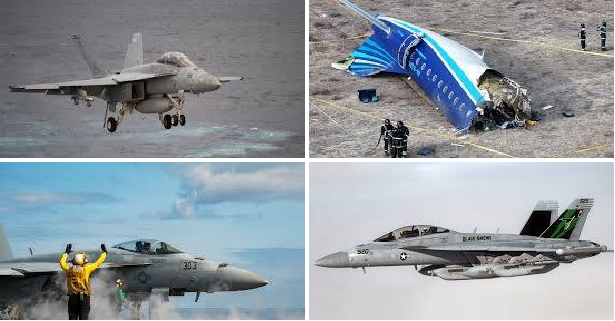
Specific and detailed statistical studies are needed to determine the role of the extraneous factors, such as acts of EW in aviation crashes – Google AI Overview – GAIO

Google AI Overview – GAIO | Post Link

Specific and detailed statistical studies are needed to determine the role of the extraneous factors, such as acts of EW in aviation crashes
AI Overview

Yes, conducting specific and detailed statistical studies is crucial for understanding the role of extraneous factors, including acts of electronic warfare (EW), in aviation crashes. These studies can help identify causal relationships, quantify the impact of various factors, and inform safety measures. [1, 2]


Here’s why such studies are important and what they can entail:


Why Statistical Studies are Necessary: [2, 2, 3, 3]
  • Identifying Causal Relationships: Accidents often have multiple contributing factors, and statistical analysis can help determine the strength and significance of each factor’s influence. For example, a study might reveal a statistically significant link between the presence of EW and certain types of accidents, even if not always directly caused by it. [2, 2, 3, 3, 4, 5]
  • Quantifying the Impact: Statistical models can estimate the probability of an accident occurring given the presence or absence of specific extraneous factors. This allows for a more precise understanding of the risks associated with different situations. [3, 3, 6]
  • Informing Safety Measures: By identifying the role of EW, statistical studies can guide the development of targeted safety procedures and technologies to mitigate the risk of accidents. [3, 3, 7, 7, 8]
  • Improving Risk Assessment: These studies can help create more accurate models for predicting the risk of accidents, allowing for better resource allocation and preventative measures. [3, 3, 7, 7, 9, 10]
What Such Studies Entail: [11, 11, 12, 12]
  • Data Collection: Gather comprehensive data on past aviation accidents, including details about the circumstances, contributing factors (like pilot error, mechanical failure, weather, etc.), and the presence of any potential extraneous factors. [11, 11, 12, 12, 13]
  • Data Analysis: Apply statistical techniques to analyze the collected data, identifying correlations and causal relationships between different factors and accident outcomes. [2, 2, 3, 3, 14, 14, 15, 16, 17]
  • Model Building: Develop statistical models to predict the probability of an accident based on specific inputs, including the presence of EW. [3, 3, 18]
  • Validation and Refinement: Continuously validate and refine statistical models with new data to ensure their accuracy and relevance. [3, 3, 7, 7]
Example of How EW Might Be Studied: [3, 3, 7, 7]


A statistical study could examine the correlation between EW activity and the occurrence of specific types of aviation accidents, such as: [3, 3, 4, 7, 7, 11, 19, 20, 21, 22]
  • Loss of Control: If EW can interfere with navigation or communication systems, it might increase the risk of loss of control accidents.
  • Misidentification of Objects: EW might lead to the misidentification of other aircraft or obstacles, potentially causing mid-air collisions or other accidents.
  • Flight Deck Disruption: EW could disrupt flight management systems or cause pilots to misinterpret information, leading to errors.
By carefully analyzing data related to EW and aviation accidents, researchers can gain a better understanding of the role of this factor in aviation safety and develop strategies to mitigate its risks. [3, 7]


Generative AI is experimental.


Specific and detailed statistical studies are needed to determine the role of the extraneous factors, such as acts of EW in aviation crashes. – GS

To determine the role of extraneous factors like acts of EW in aviation crashes, specific and detailed statistical studies are needed. These studies should analyze data from accident investigations, focusing on patterns and correlations between specific events and potential external influences. This approach allows for a more precise understanding of how extraneous factors contribute to aviation accidents. [1, 2, 3, 4]
Here’s a more detailed look: [1, 1, 2, 2, 3, 5, 6, 7, 8, 9]

• Focus on Specific Factors: Studies should focus on specific types of extraneous factors, such as weather events, mechanical failures, human error, and potential acts of EW.
• Data Analysis: Analyze accident data to identify patterns and correlations between these factors and accident outcomes. For example, is there a higher incidence of crashes during specific types of weather conditions, or when certain mechanical failures are present?
• Statistical Modeling: Use statistical modeling to test hypotheses about the role of extraneous factors. This could involve regression analysis to identify the most significant contributing factors, or other statistical methods to explore the relationships between variables.
• Comparative Analysis: Compare the frequency and severity of accidents with and without the presence of specific extraneous factors to determine the extent to which these factors influence accident outcomes.
• Case Studies: Conduct in-depth case studies of specific accidents to explore the role of extraneous factors in greater detail. This can involve interviews with crew members, analysis of flight recorders, and examination of the scene of the crash.
• Expert Consultation: Consult with aviation experts and specialists in relevant fields, such as meteorology, engineering, and human factors, to gain insights and perspectives on the role of extraneous factors in aviation accidents.

Generative AI is experimental.

[1] faa.gov/sites/faa.gov/ntsb.gov/safety/safety-sciencedirect.com/science/articllibrary.fiveable.me/forecasting/uncommons.erau.edu/cgi/viewcontensciencedirect.com/science/articlquora.com/What-are-some-truckingexpertwitness.com/understanding-arc.aiaa.org/doi/pdf/10.251

google.com/search?q=Speci


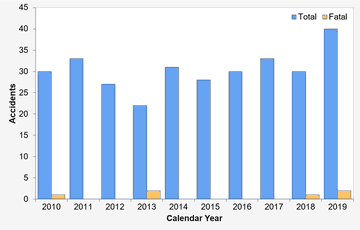
In the U.S., small plane accidents, including helicopters, occur regularly, though the number of accidents and fatalities has generally decreased over time. In 2024, there were 1,417 aviation accidents, including 258 fatal crashes, according to a news report. Data from Panish | Shea notes that in the first two weeks of 2025, there were three plane crashes with 78 fatalities. Helicopter accidents are also tracked, with a decrease in the accident rate from 2000 to 2022. [1, 1, 2, 2, 3, 3, 4, 4, 5, 6, 7]


Small Plane Accidents: [1, 1]
  • Accidents in 2024: There were 1,417 aviation accidents, including 258 fatal crashes. [1, 1, 6]
  • 2023 vs. 2024: The total number of civil aviation accidents decreased from 1,277 in 2022 to 1,216 in 2023, and the number of civil aviation deaths decreased from 358 in 2022 to 327 in 2023. [8, 8, 9, 10]
  • General Aviation Accidents: In 2021, the NTSB investigated 1,157 general aviation accidents, including 210 fatal accidents and 947 accidents resulting in serious injuries. [11, 11]
  • Recent Trends: While there are still accidents, the rate of small plane crashes has generally decreased over the last two decades. [5, 5]
Helicopter Accidents: [12, 12]
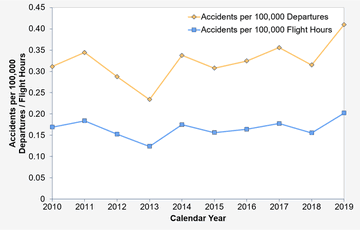
  • Accident Rate: The helicopter accident rate in 2016 was 3.19 per 100,000 flight hours, with 106 total accidents (17 fatal). [12, 12]
  • Fatal Accident Rate: The five-year average fatal accident rate for helicopters has been working towards a target of 0.55 per 100,000 hours. [12, 12]
  • US Helicopter Safety Team: The U.S. Helicopter Safety Team (USHST) has been working to reduce helicopter accident rates through various safety enhancements. [12, 12, 13, 13]
  • Recent Trends: Overall, non-commercial helicopter accident rates have continued to decrease. [14, 14]
  • Helicopter Air Ambulance (HAA) Accidents: There were 83 HAA accidents in the U.S. from 2010 to 2021, with a decrease in the proportion of fatal accidents. [15, 15, 16]


Generative AI is experimental.

Categories
The News And Times Blog

Just shove that pigeon down his throat! Nice Job, Donald! Worthy of the Big Putin Prize! (How much?) And the Moscow Trump Tower as the extra incentive. – The Rape of Ukraine or The Art Of The Deal

Articles and Tweets
Categories
The News And Times Blog

Strategic intelligence analysis is an osint analysis but not always

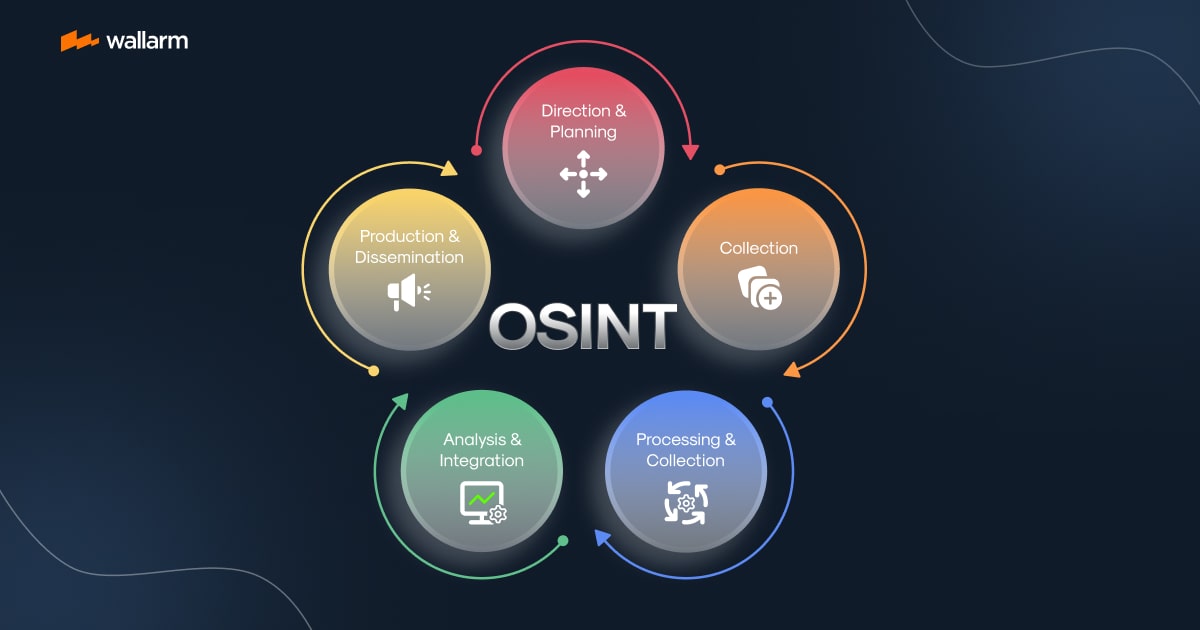
Unraveling the Secrets of OSINT: An Essential Guide - Wallarm

Strategic intelligence analysis can include OSINT analysis as a component, but it’s not solely OSINT. Strategic intelligence analysis is a broader process that uses various sources, including open-source intelligence, to understand long-term trends, potential threats, and opportunities for an organization. OSINT, or open-source intelligence, specifically focuses on gathering and analyzing publicly available data. [1, 2, 3, 4]


Elaboration: [1, 1, 2, 2, 3, 3]
  • Strategic Intelligence Analysis: This type of analysis involves a deeper understanding of complex issues and their implications, often using a combination of data sources. It aims to inform strategic decisions and long-term planning. [1, 1, 2, 2, 3, 3, 5, 6]
  • OSINT Analysis: This is a specific type of intelligence gathering that focuses on publicly available information, such as social media, news articles, and websites. It can be a valuable tool for strategic intelligence analysis, providing insights into public sentiment, trends, and potential threats. [1, 1, 3, 4, 4, 7, 7, 8, 9, 10]
  • Other Sources: Strategic intelligence analysis may also incorporate classified information, human intelligence, and financial intelligence, depending on the specific situation and the organization’s goals. [2, 2, 3, 3, 11, 12, 13]
  • Interconnectedness: OSINT analysis can be used as a cueing mechanism for other intelligence disciplines and as a catalyst for enriched all-source analysis. It can help identify leads, verify information, and provide context for other types of intelligence. [1, 1, 8, 14, 15]
In essence: While OSINT is a valuable tool in strategic intelligence analysis, it’s not the only source. Strategic intelligence analysis utilizes a broader range of intelligence sources to provide a more comprehensive understanding of complex issues and their implications. [1, 1, 2, 2, 3, 3]


Generative AI is experimental.


Strategic intelligence analysis leverages Open Source Intelligence (OSINT) to gain a broad understanding of the environment, identify threats, and support decision-making by analyzing publicly available information. OSINT provides a valuable source of information for strategic intelligence, allowing organizations to gather diverse data, make informed decisions, and gain a competitive edge. [1, 2, 3]


Here’s how OSINT is used in strategic intelligence analysis:


1. Gathering and Analyzing Publicly Available Information: [4, 5]
  • OSINT involves collecting data from various public sources like the internet, social media, news outlets, and public records. [4, 5]
  • Analysts use specialized tools and techniques to extract, process, and analyze this data. [5, 6]
2. Identifying Trends and Patterns: [5]
  • OSINT helps identify trends, patterns, and potential threats by analyzing large datasets. [5]
  • This information can be used to anticipate future events and make more informed decisions. [2, 3]
3. Supporting Decision-Making: [2, 2, 5, 7, 7, 8]
  • OSINT provides valuable insights for strategic planning, resource allocation, and risk assessment.
  • It helps organizations understand their competitive landscape, identify opportunities, and respond to emerging threats.
4. Examples of OSINT in Strategic Analysis: [2, 2]
  • Economic and Environmental Analysis: Assessing a country’s economic and environmental conditions, such as GDP growth, trade balance, and climate change, to evaluate market potential and sustainability. [2, 2]
  • Military and Technological Capabilities: Comparing the military and technological capabilities of different countries to assess their strategic posture and vulnerabilities. [2, 2]
  • Counterterrorism Operations: Using OSINT to identify potential threats, monitor radical networks, and support counterterrorism efforts. [2, 2, 3, 3, 4, 9, 10, 11]
5. Benefits of Using OSINT: [2, 2, 3, 12]
  • Cost-Effectiveness: OSINT provides a cost-effective way to gather intelligence, as it relies on publicly available information.
  • Timeliness: OSINT allows analysts to access information quickly, enabling them to make timely decisions.
  • Breadth of Information: OSINT provides a broad perspective on a situation, allowing analysts to see the bigger picture.
6. Challenges of Using OSINT: [13]
  • Data Overload: The sheer volume of information requires advanced filtering and analysis techniques.
  • False Positives: There is a risk of misinterpreting information or relying on inaccurate data.
  • Bias: OSINT, like other intelligence forms, can be susceptible to bias and needs to be carefully verified.
By leveraging OSINT effectively, organizations can enhance their strategic intelligence analysis, make more informed decisions, and gain a competitive edge in today’s information-driven world. [2]


Generative AI is experimental.


No, strategic intelligence analysis is not always an OSINT analysis. While Open Source Intelligence (OSINT) plays a crucial role in strategic intelligence, it’s just one component of a broader intelligence landscape. Strategic intelligence also relies on other intelligence disciplines like Human Intelligence (HUMINT), Signals Intelligence (SIGINT), and Imagery Intelligence (IMINT). [1, 1, 2, 2, 3, 3, 4, 5, 6]


Here’s why strategic intelligence analysis is not solely OSINT: [3, 3, 7, 7]
  • Multiple Intelligence Disciplines: Strategic intelligence, the process of analyzing information to inform long-term decision-making, utilizes various intelligence disciplines. OSINT focuses on publicly available information, while other disciplines gather information from less accessible sources. [1, 3, 3, 7, 7, 8, 9]
  • OSINT’s Role: OSINT provides a wealth of information and insights, often serving as a starting point for intelligence collection. It helps identify potential threats, track trends, and understand the broader context of a situation. [1, 1, 2, 2, 10, 10]
  • Complementary Analysis: OSINT is often used in conjunction with other intelligence disciplines to create a more comprehensive understanding of a situation. [11, 11, 12, 12]
  • Actionable Intelligence: The ultimate goal of strategic intelligence analysis is to produce actionable intelligence that informs policy decisions. OSINT contributes to this goal, but it’s not the only source of such intelligence. [1, 1, 2, 2, 13, 13]
In essence: Strategic intelligence analysis is a multi-faceted process that leverages various intelligence disciplines, with OSINT playing a significant, but not exclusive, role. [3, 7]


Generative AI is experimental.