Categories
The News And Times Blog

Posts Review – 4:47 PM 5/10/2025

Posts Review – 4:47 PM 5/10/2025 – Post Link

The News And Times

45 min ago

Trump’s first 100 days: motives, directions, policies

Articles and Tweets – Post LinkTrump’s First 100 Days g.co/gemini/share/a…x.com10mTrump’s first 100 days: motives, directions, policiesx.com12mx.com/i/grok/share/d…x.com14mcopilot….

The News And Times

6 hrs ago

Will Trump declare a Palestinian State? Predictive Analysis. Trump’s Middle East Policy Forecast … Trump Sidelining Netanyahu: Reports Emerge.

The Trump Plan for the Israeli-Palestinian ConflictCJPME Factsheet No. 218, published February, 2020: This factsheet provides an overview of the Trump Plan for the Israeli-Palestin…

The News And Times

8 hrs ago

Trump – Netanyahu conflict: events, analysis, predictions – AI Review – 7:57 AM 5/10/2025

 Articles and TweetsTrump – Netanyahu conflict: events, analysis, predictions – AI Review thenewsandtimes.blogspot.com/2025/05/trump-…x.com2hRT by @mikenov: В Киеве европейские лид…

Get updates to your inbox

The News And Times

11 hrs ago

Trump – Netanyahu conflict: events, analysis, predictions – AI Review: The Trump-Netanyahu relationship is at a crossroads … This dynamic is fascinating.

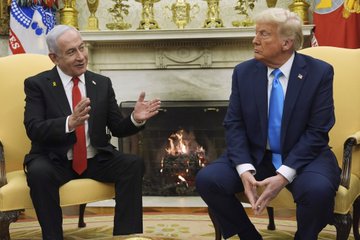
Israeli Prime Minister Benjamin Netanyahu speaks during a meeting with U.S. President Donald Trump in the Oval Office of the White House on April 7.Israeli Prime Minister Benjamin …

The News And Times

22 hrs ago

На трибунах парада в Москве на 9 мая были подозреваемые в военных преступлениях.

 Articles and TweetsQatargate: Emin Bred: The Shin Bet and Israel Police believe that two suspects in the so-called Qatargate scandal, both of them former security service official…

The News And Times

1 day ago

Qatargate: Emin Bred: The Shin Bet and Israel Police believe that two suspects in the so-called Qatargate scandal, both of them former security service officials, were working for Qatari intelligence, it emerged on Thursday.

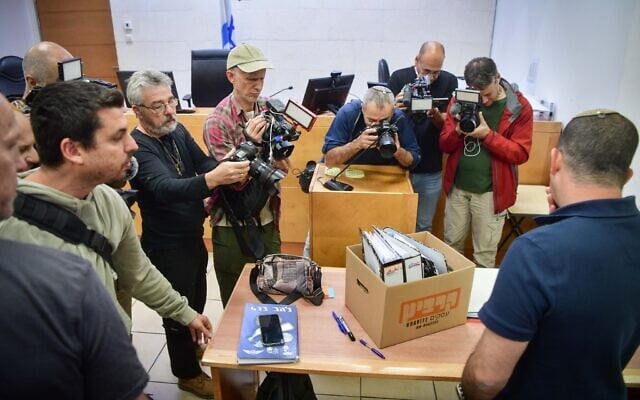
Files of documents photographed at a hearing in the Rishon Lezion Magistrates Court for extending the detention of suspects Jonatan Urich and Eli Feldstein who were arrested in con…
The News And Times

1 day ago

The Russia-Germany war alliance from 1939 to 1941 … Trump, Putin, Netanyahu … Victory Parade: Putin’s psychological and political need to build and celebrate alliances … Pope Leo XIV and his influence on American policies and society

Communist Russia and Nazi Germany started World War II by invading Poland together in September 1939.Russians are taught to this day that the war instead began in June 1941 when Hi…

The News And Times

1 day ago

Trump, Putin, Netanyahu

 Trump, Putin, NetanyahuThe prompt “Trump, Putin, Netanyahu” refers to three prominent political figures: Donald Trump, former President of the United States; Vladimir Putin, Presi…

The News And Times

1 day ago

Red Square on this Victory Day – 4:58 AM 5/9/2025

 Articles and TweetsRed Square on this Victory Day #NewsAndTimes #NT #TNT #News #Times #World #USA #POTUS #DOJ #FBI #CIA #DIA #DOD #ODNI #Trump #TrumpNews #TrumpISTAN #Israel #Moss…

The News And Times

1 day ago

Ukraine’s Weapon Needs for Territory Return – AI Review

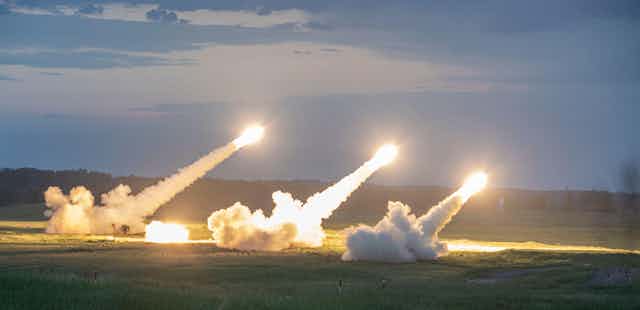
 Search inside imageUkraine hopes to retake territory as new weapons give firepower to push back RussiansVisitImages may be subject to copyright. Learn MoreUkraine’s Weapon Needs f…
The News And Times

2 days ago

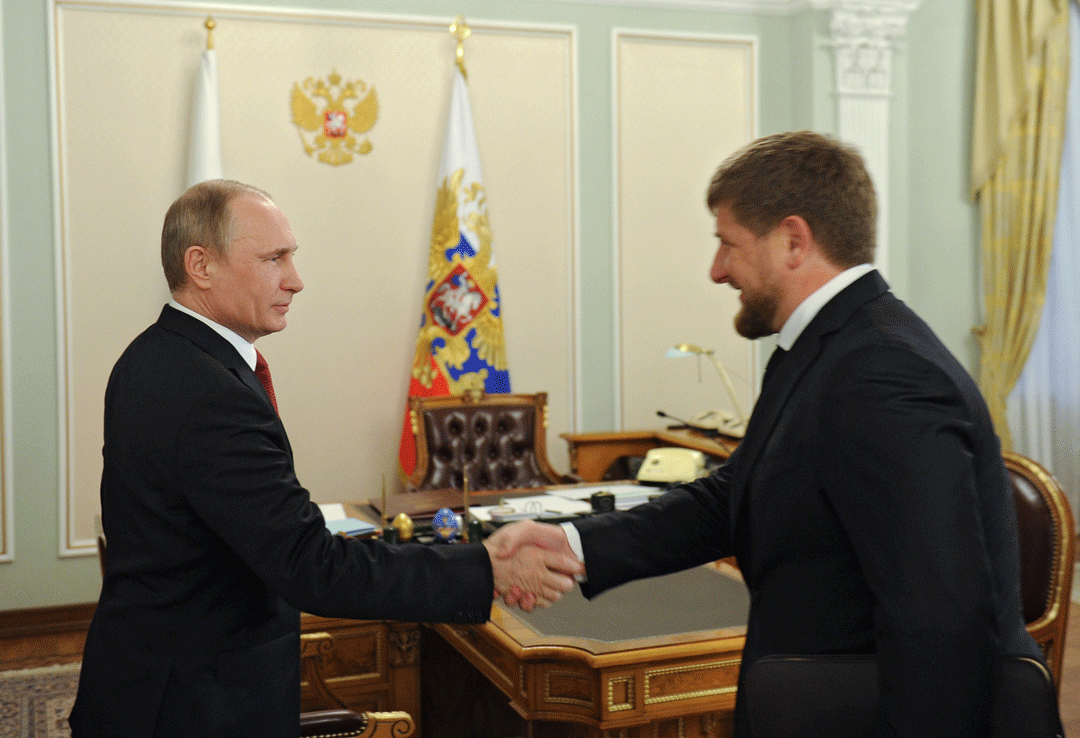
Chechnya and Russia: predictive analysis: Mother Russia has a chronic poisoning problem! Kadyrov is the POISON, and Putin is the POISONER! For how long will Kadyrov stay in power and what will happen after him?

Chechnya and Russia: predictive analysis: Mother Russia has a chronic poisoning problem! Kadyrov is the POISON, and Putin is the POISONER!x.com22mChechnya and Russia: predictive a…
The News And Times

2 days ago

Chechnya and Russia: predictive analysis

Chechnya and Russia: predictive analysis – Google Search https://t.co/5M3RuRFijx Predictive analysis of Chechnya-Russia relations suggests a continued focus on maintaining Russian …

The News And Times

3 days ago

Latest Headlines – 12:20 PM 5/7/2025

 Latest Headlines – 12:20 PM 5/7/2025What’s News in Earnings: How Car Companies Are Prepping for TariffsBonus Episode for May 7. Big automakers are bracing for tariffs. General Mot…
The News And Times

3 days ago

Forensic analysis of Doug Mills’ photo – AI Review – Recent Posts – 5.7.25

Recent Posts – 5.7.25The News And Times39 min ago”Trump’s right ear wound”: “I’m designed solely to process and generate text, so I’m unable to assist you with that.” – Gemini chat…

The News And Times

3 days ago

“Trump’s right ear wound”: “I’m designed solely to process and generate text, so I’m unable to assist you with that.” – Gemini chats – 4.30 – 5.7.25

Gemini chats –  4.30 – 5.7.25″Trump’s right ear wound” https://g.co/gemini/share/4736621f13a0 O…

The News And Times

3 days ago

For how long will Kadyrov stay in power and what will happen after him?

Articles and TweetsFor how long will Kadyrov stay in power and what will happen after him? – Google Search google.com/search?q=For+h… newsweek.com/kadyrov-asks-p…x.com10mAttempted …
Articles and Tweets

Jared Kushner quietly advising Trump administration ahead of Middle East trip

CNN  —  As President Donald Trump prepares for the first major foreign trip to the Middle East of his second term, some administration officials have privately turned to a familiar face for help navigating the region: Jared Kushner. The president’s son

michael_novakhov.newsblur.com6h
Categories
The News And Times Blog

Trump’s first 100 days: motives, directions, policies

Categories
The News And Times Blog

Will Trump declare a Palestinian State? Predictive Analysis

The Trump Plan for the Israeli-Palestinian Conflict

CJPME Factsheet No. 218, published February, 2020: This factsheet provides an overview of the Trump Plan for the Israeli-Palestinian conflict and explains why this new deal is an obstacle to sustainable peace for Palestinans and in the Middle-East.


How was the Trump Plan developed?

On January 28, 2020, President Donald Trump unveiled a set of political and economic proposals to address the Israeli-Palestinian conflict. It took 3 years for his son-in-law, Jared Kushner, High Advisor to the President and responsible for defining its Middle East policy, to build this plan “for peace”[1]. The latter was drafted without the participation of Palestinian negotiators.

Will Trump declare a Palestinian State? Predictive Analysis

Articles and Tweets

Will the United States recognize ‘Palestine’ under Donald Trump? – The Jerusalem Post jpost.com/middle-east/ar…

Will the United States recognize ‘Palestine’ under Donald Trump? – The Jerusalem Post jpost.com/middle-east/ar…

x.com1h
Categories
The News And Times Blog

Trump – Netanyahu conflict: events, analysis, predictions – AI Review – 7:57 AM 5/10/2025

 Articles and Tweets

Categories
The News And Times Blog

Trump – Netanyahu conflict: events, analysis, predictions – AI Review

Trump – Netanyahu conflict: events, analysis, predictions

Michael Novakhov
This dynamic is fascinating from a geopolitical and strategic standpoint: Trump – Netanyahu conflict: events, analysis, predictions.

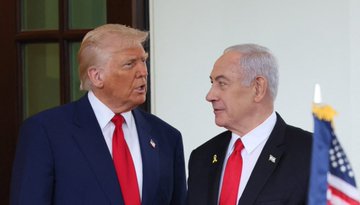
The tension between **Donald Trump** and **Benjamin Netanyahu** has been escalating, particularly as Trump prepares for his upcoming **Gulf visit**. Here’s a breakdown of the situation:

### **Recent Events**
– Trump has been **frustrated** with Netanyahu over several issues, including **Iran nuclear talks** and **the war in Gaza**.
– Trump’s administration has **resisted Israeli pressure** to launch a preemptive strike on Iran, despite Netanyahu’s strong stance.
– The U.S. has **backed Israel’s military actions** in Gaza and Yemen but is now **pushing for a ceasefire** with the Houthis, which has irritated Netanyahu.
– Trump’s **Secretary of Defense, Pete Hegseth, canceled a visit to Israel**, signaling further diplomatic strain.

### **Analysis**
– Trump appears to be **prioritizing his Gulf alliances** over Netanyahu’s concerns, particularly regarding Iran and Yemen.
– Netanyahu, on the other hand, is **focused on maintaining Israeli security dominance**, which sometimes clashes with Trump’s broader geopolitical strategy.
– While Trump has been **supportive of Israel’s military actions**, his **unilateral decision-making** on key issues like Iran and Yemen suggests he’s willing to **sideline Netanyahu** when necessary.

### **Predictions**
– Trump may **continue to distance himself** from Netanyahu if Israeli policies interfere with his Gulf strategy.
– Netanyahu could **push back diplomatically**, possibly leveraging **Congressional allies** to pressure Trump.
– The **Iran nuclear talks** will remain a major flashpoint—if Trump **softens his stance**, Netanyahu’s frustration could escalate further.

This dynamic is fascinating from a **geopolitical and strategic** standpoint. What’s your take on how this will unfold?

foreignpolicy.com/2025/05/09/net

Grok
x.com/i/grok/share/v
The relationship between Donald Trump and Benjamin Netanyahu has been complex, marked by close collaboration during Trump’s first term but also underlying tensions that have surfaced in recent interactions. Below is a summary of key events, analysis of their dynamic, and predictions based on available information up to May 10, 2025.
Key Events
Historical Context (2017-2021):
During Trump’s first term, the U.S.-Israel relationship under Netanyahu was notably strong. Trump implemented policies favorable to Israel, including moving the U.S. embassy to Jerusalem, recognizing Israeli sovereignty over the Golan Heights, and brokering the Abraham Accords, normalizing relations between Israel and several Arab states.
Tensions emerged late in Trump’s first term when Netanyahu considered annexing parts of the West Bank, believing it aligned with Trump’s “Deal of the Century.” Trump opposed this move, especially as it risked complicating his 2020 reelection campaign. Further strain occurred when Netanyahu congratulated Joe Biden on his 2020 election win, which Trump perceived as disloyalty, reportedly saying, “F**k him.”
2025 Meetings and Ceasefire Negotiations:
February 2025: Netanyahu was the first foreign leader to visit Trump at the White House after his second inauguration. The meeting focused on the Gaza ceasefire, with Trump claiming credit for the initial six-week truce that began January 19, 2025, which led to the release of 18 hostages and 583 Palestinian prisoners. Discussions also covered normalizing Israel-Saudi relations and countering Iran. However, Trump’s controversial proposal for the U.S. to “take over” Gaza and resettle Palestinians elsewhere raised concerns among Arab mediators and strained ceasefire talks.
April 2025: Netanyahu’s second visit addressed tariffs, Iran, and the Gaza war, which had resumed after a ceasefire breakdown. Trump imposed a 17% tariff on Israeli exports and announced U.S.-Iran nuclear talks, both of which caught Netanyahu off guard. Netanyahu sought exemptions from tariffs and a hardline stance on Iran but left without clear commitments.
Ceasefire Breakdown: By May 2025, Israel signaled plans for a full-scale Gaza offensive, aiming to occupy and depopulate parts of the Strip, inspired partly by Trump’s earlier “Riviera of the Middle East” vision. This move, set to begin after Trump’s Middle East tour (May 13, 2025), has heightened tensions, as Trump’s administration appears less engaged, focusing instead on Saudi-Israeli normalization.
Regional Developments:
Trump’s push for Saudi-Israeli normalization faces obstacles, as Saudi Arabia insists on a Palestinian state, a prospect opposed by Netanyahu’s coalition.
Houthi attacks, including one on Ben Gurion Airport, and a subsequent U.S.-Yemen truce have complicated Israel’s regional strategy, with Netanyahu facing domestic pressure to respond forcefully.
Analysis
Personal and Political Tensions: Despite their public alignment, Trump and Netanyahu lack mutual trust. Trump’s frustration with Netanyahu stems from perceived betrayals in 2020, while Netanyahu is wary of Trump’s unpredictable policy shifts, such as the U.S.-Iran talks. Their differing priorities—Trump’s focus on regional peace deals versus Netanyahu’s need to maintain his hardline coalition—create friction.
Gaza Policy Divergence: Trump’s initial advocacy for a Gaza ceasefire, driven by envoy Steve Witkoff, contrasts with Netanyahu’s preference for prolonged conflict to appease his far-right coalition, particularly Finance Minister Bezalel Smotrich, who opposes Palestinian statehood and supports Gaza resettlement. Trump’s Gaza takeover proposal, though not actively pursued, has emboldened Israeli right-wing fantasies of depopulation, complicating diplomacy.
Strategic Misalignment: Netanyahu’s push for military action against Iran and Gaza occupation clashes with Trump’s broader goals of ending Middle East wars and securing economic wins through deals like the Abraham Accords expansion. Trump’s “America First” approach, including tariffs, signals less leniency for Israel compared to his first term.
Domestic Pressures: Netanyahu faces a delicate balancing act. Public support in Israel for the ceasefire is high (72%), but his coalition’s survival depends on hardline policies. Trump’s disengagement risks giving Netanyahu freer rein, potentially escalating Gaza operations, though this could backfire if it derails Trump’s regional plans.
Predictions
Escalation in Gaza: Israel’s planned Gaza offensive, likely starting post-May 13, 2025, will intensify conflict, risking further humanitarian crises and hostage safety. Trump’s limited engagement may allow Netanyahu to pursue this strategy, but it could strain U.S.-Israel ties if it disrupts Saudi normalization talks.
U.S.-Israel Friction: Trump’s focus on economic and diplomatic wins (e.g., tariffs, Iran talks, Saudi deal) will likely clash with Netanyahu’s military ambitions. Without clear U.S. backing, Netanyahu may face domestic backlash, potentially threatening his coalition’s stability.
Saudi Deal Challenges: The Saudi-Israeli normalization deal is unlikely to materialize soon due to Saudi insistence on Palestinian statehood, which Netanyahu’s government rejects. Trump may pressure Netanyahu to soften his stance, but domestic opposition in Israel makes this difficult.
Iran as a Flashpoint: Netanyahu’s push for military strikes on Iran’s nuclear program contrasts with Trump’s diplomatic approach. If U.S.-Iran talks progress, Netanyahu may act unilaterally, risking regional escalation and further straining ties with Trump.
Netanyahu’s Political Survival: Continued war aligns with Netanyahu’s strategy to avoid elections, but failure to secure hostage releases or U.S. support could erode his position. Opposition leader Yair Lapid’s offer of a political safety net for a hostage deal may pressure Netanyahu, though his coalition’s collapse remains a risk.
Conclusion
The Trump-Netanyahu relationship is at a crossroads, with past alignment giving way to diverging interests. Netanyahu’s reliance on military escalation and coalition politics clashes with Trump’s pragmatic push for regional stability and economic gains. While Trump’s disengagement may embolden Netanyahu in the short term, it risks long-term friction, particularly if Gaza operations or Iran tensions disrupt Trump’s broader Middle East vision. The coming months, especially post-May 2025, will be critical in determining whether their partnership fractures or finds a new equilibrium.
If you’d like a deeper dive into specific events, such as the Gaza ceasefire talks or Iran policy, let me know!

Categories
The News And Times Blog

На трибунах парада в Москве на 9 мая были подозреваемые в военных преступлениях.

 Articles and Tweets

Categories
The News And Times Blog

Qatargate: Emin Bred: The Shin Bet and Israel Police believe that two suspects in the so-called Qatargate scandal, both of them former security service officials, were working for Qatari intelligence, it emerged on Thursday.

Qatargate

“Qatargate” refers to two distinct but related political scandals involving alleged corruption and foreign influence:
1. Qatargate at the European Parliament:
  • The Allegations: This scandal, which came to light in December 2022, involves allegations that European Parliament officials, lobbyists, and their families were influenced by Qatar, Morocco, and Mauritania through bribes and gifts, in exchange for favorable policy decisions and attempts to rehabilitate the countries’ images.
  • Key Individuals Involved: Investigations focused on individuals like Eva Kaili (former Vice President of the European Parliament), Francesco Giorgi (Kaili’s partner and parliamentary assistant), and Antonio Panzeri (former MEP and head of an NGO), among others.
  • Criminal Activities: Suspects were accused of corruption, money laundering, influence peddling, and membership in a criminal organization.
  • Impact and Aftermath: The scandal prompted calls for increased transparency and stricter rules regarding MEPs’ contacts with lobbyists and foreign entities, as well as reforms to strengthen the European Parliament’s integrity and accountability. 
2. Qatargate in Israel:
  • The Allegations: This scandal, which emerged in early 2025, centers on allegations that close aides to Israeli Prime Minister Benjamin Netanyahu accepted payments from Qatar to promote its interests in Israel, including influencing media coverage and public opinion.
  • Key Individuals Involved: The investigation focused on Netanyahu’s media advisors, Jonathan Urich and Eli Feldstein, who were arrested in connection with the scandal.
  • Criminal Activities: Suspicions included contact with a foreign agent, money laundering, accepting bribes, fraud, and breach of trust.
  • Impact and Aftermath: The scandal has fueled political tensions and raised concerns about foreign influence in Israeli politics and government integrity. 
In Summary: Both “Qatargate” scandals involve allegations of bribery and influence peddling by foreign governments, aiming to sway political decisions and shape public opinion. They highlight the importance of robust ethical standards, transparency, and accountability in democratic institutions to safeguard against corruption and external interference. 
AI Mode is experimental and can make mistakes. Learn more

Articles and Tweets

Categories
The News And Times Blog

The Russia-Germany war alliance from 1939 to 1941 … Trump, Putin, Netanyahu … Victory Parade: Putin’s psychological and political need to build and celebrate alliances … Pope Leo XIV and his influence on American policies and society

Pope Leo XIV and his influence on American policies and society

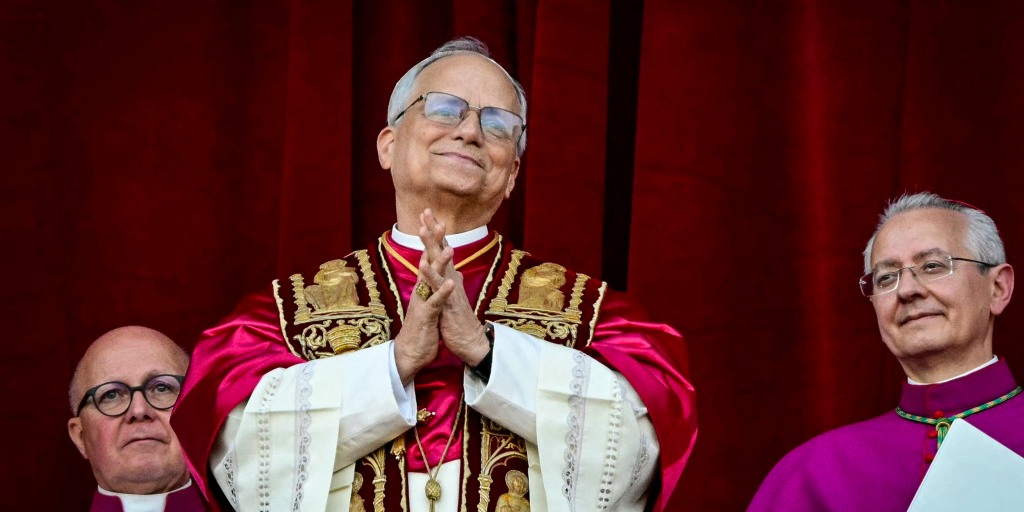
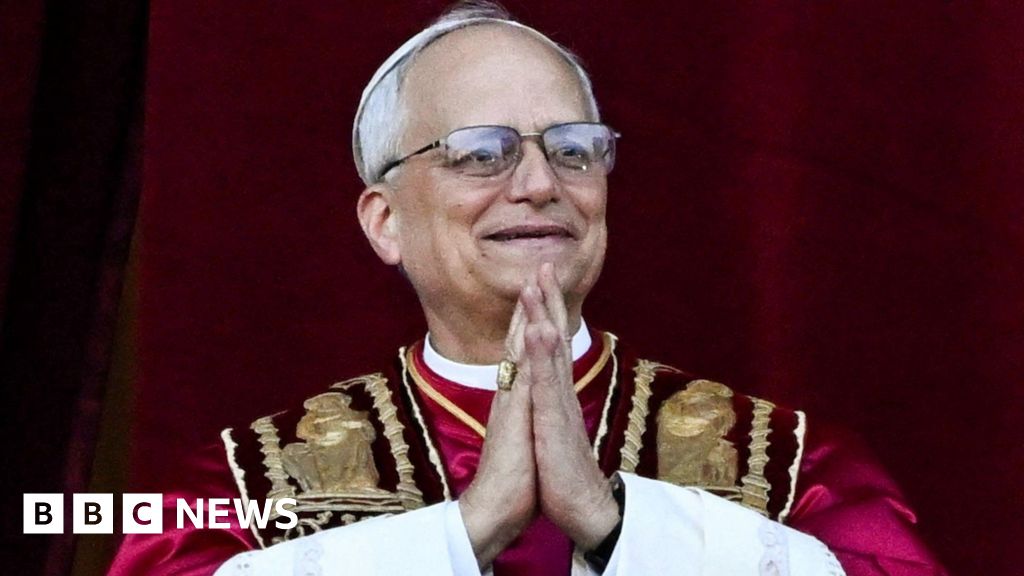
It’s important to clarify that there is no Pope Leo XIV in historical records prior to May 8, 2025. Robert Francis Prevost, an American cardinal, was elected Pope and chose the name Leo XIV on that day, becoming the first American Pope.
Therefore, any discussion of Pope Leo XIV’s influence on American policies and society is necessarily speculative and based on his background and early pronouncements.
Here’s a look at potential areas of influence based on available information:
1. Social Justice and Economic Issues:
Echoing Leo XIII: Pope Leo XIV chose his papal name in part as a reference to Leo XIII, a Pope known for his encyclical “Rerum Novarum,” which addressed the rights and dignity of workers.
Support for the Vulnerable: Based on his past actions and statements, Leo XIV is likely to be a strong voice for social justice, international solidarity, and bridge-building. He has shown concern for migrants, for example, and has been described as having “a deep feeling for the disenfranchised, for the poor, for those who were not listened to”.
2. Immigration and Refugee Policy:
Advocacy for Migrants: Leo XIV has a history of advocating for stronger support for migrants, including Venezuelan migrants in Peru and refugees generally.
Criticism of Past Policies: He has previously reposted criticisms of the Trump administration’s immigration policies, including family separation policies and stances on DACA.
3. Climate Change:
Call for Action: Leo XIV has urged stronger action on climate change, stating that humanity’s dominion over nature should not be “tyrannical”.
4. Other Potential Areas:
LGBTQ+ Catholics: While Pope Francis adopted a more welcoming tone, it is less clear where Leo XIV stands on LGBTQ+ issues.
Women in Church Leadership: He has said he opposes ordaining women as deacons, indicating a more conservative stance on church doctrine in this area.
Church Unity and Peace: His first address as Pope emphasized peace and building bridges, and he has spoken about creating a “church that builds bridges, that is always open to receive everyone”.
Important Note: It’s early in Pope Leo XIV’s papacy. His specific actions and policies, and their impact on American policies and society, will become clearer over time.
AI Mode is experimental and can make mistakes. Learn more
– Google Search
google.com/search?q=pope+

washingtonpost.com/world/2025/05/


Victory Parade: Putin’s psychological and political need to build and celebrate alliances


Putin’s approach to the Victory Day parade is deeply rooted in both psychological and political strategy.
copilot.microsoft.com/shares/yV5qMsg
The event serves as a **symbolic reaffirmation of Russia’s global alliances**, particularly with nations that align with its geopolitical stance. This year’s parade, marking the **80th anniversary of the defeat of Nazi Germany**, saw the attendance of **Chinese President Xi Jinping and Brazilian President Luiz Inácio Lula da Silva**, among others. Their presence underscores Russia’s effort to project strength and unity amid ongoing tensions with the West.

Psychologically, Putin leverages historical narratives to **reinforce national identity and legitimacy**. The Soviet Union’s immense sacrifices in World War II remain a powerful tool for fostering patriotism and justifying Russia’s current military actions. His speech at the parade **praised Russian troops fighting in Ukraine**, framing their efforts as a continuation of past victories.

Politically, the parade serves as a **platform for diplomatic signaling**. The participation of **North Korean military officers** and Putin’s direct engagement with them highlights Russia’s expanding military partnerships. Additionally, the presence of **Chinese military units** marching alongside Russian troops reinforces the growing strategic alignment between Moscow and Beijing. This is particularly significant as both nations seek to counterbalance Western influence.

The event also reflects Putin’s **need to maintain domestic control**. Amid Ukrainian drone attacks and heightened security concerns, the parade was designed to **project resilience and defiance**. The unilateral **72-hour ceasefire** declared by Russia for the occasion further illustrates the Kremlin’s attempt to control the narrative.

Ultimately, the Victory Day parade is more than a commemoration—it is a **carefully orchestrated display of power, alliances, and ideological continuity**. It allows Putin to **strengthen ties with key partners**, reinforce his leadership domestically, and signal Russia’s global ambitions.

What aspect of this strategy interests you most? The psychological framing, the military alliances, or the broader geopolitical implications?

Trump, Putin, Netanyahu

Trump, Putin, Netanyahu – Google Search google.com/search?q=Trump
reuters.com/world/putin-ne
Trump, Putin, Netanyahu
.The prompt “Trump, Putin, Netanyahu” refers to three prominent political figures: Donald Trump, former President of the United States; Vladimir Putin, President of Russia; and Benjamin Netanyahu, Prime Minister of Israel
Here’s a brief overview of their relationships and interactions:
Donald Trump and Vladimir Putin:
During his presidency, Trump expressed a desire for improved relations with Russia and spoke positively about Putin, even amidst criticism of Russia’s actions.
Trump has described Putin as a “strong” and “smart” leader, and has stated he “got along great” with him.
However, since the start of his second term, Trump has also criticized Putin’s conduct of the war in Ukraine.
Despite this, there were reports of Trump and Putin agreeing on the need for improved bilateral relations, including economic deals and geopolitical stability.
Donald Trump and Benjamin Netanyahu:
Trump and Netanyahu enjoyed a close relationship during Trump’s first presidency.
Netanyahu has described Trump as “the best friend Israel has ever had in the White House”.
However, recent reports indicate a possible deterioration in their relationship, with Trump reportedly cutting ties with Netanyahu due to concerns about manipulation.
There have been reports of disagreements between them on issues like tariffs and the Iran nuclear deal.
Vladimir Putin and Benjamin Netanyahu:
Putin and Netanyahu have maintained a long-standing relationship, marked by meetings and discussions on regional issues.
Putin has welcomed Netanyahu’s return to power and expressed an intention to strengthen cooperation between Russia and Israel.
However, relations have also seen strains, particularly due to Russia’s involvement in Syria and its cooperation with Iran.
Despite these strains, Putin and Netanyahu continue to communicate, with recent calls focusing on the situation in the Middle East and bilateral ties.
In summary, while these three leaders have interacted with each other on various levels and at different points in time, their relationships have been complex and subject to shifts in the political landscape.
AI Mode is experimental and can make mistakes. Learn more

Articles and Tweets

Categories
The News And Times Blog

Trump, Putin, Netanyahu

 Trump, Putin, Netanyahu

The prompt “Trump, Putin, Netanyahu” refers to three prominent political figures: Donald Trump, former President of the United States; Vladimir Putin, President of Russia; and Benjamin Netanyahu, Prime Minister of Israel

. 

Here’s a brief overview of their relationships and interactions:
Donald Trump and Vladimir Putin:
  • During his presidency, Trump expressed a desire for improved relations with Russia and spoke positively about Putin, even amidst criticism of Russia’s actions.
  • Trump has described Putin as a “strong” and “smart” leader, and has stated he “got along great” with him.
  • However, since the start of his second term, Trump has also criticized Putin’s conduct of the war in Ukraine.
  • Despite this, there were reports of Trump and Putin agreeing on the need for improved bilateral relations, including economic deals and geopolitical stability. 
Donald Trump and Benjamin Netanyahu:
  • Trump and Netanyahu enjoyed a close relationship during Trump’s first presidency.
  • Netanyahu has described Trump as “the best friend Israel has ever had in the White House”.
  • However, recent reports indicate a possible deterioration in their relationship, with Trump reportedly cutting ties with Netanyahu due to concerns about manipulation.
  • There have been reports of disagreements between them on issues like tariffs and the Iran nuclear deal. 
Vladimir Putin and Benjamin Netanyahu:
  • Putin and Netanyahu have maintained a long-standing relationship, marked by meetings and discussions on regional issues.
  • Putin has welcomed Netanyahu’s return to power and expressed an intention to strengthen cooperation between Russia and Israel.
  • However, relations have also seen strains, particularly due to Russia’s involvement in Syria and its cooperation with Iran.
  • Despite these strains, Putin and Netanyahu continue to communicate, with recent calls focusing on the situation in the Middle East and bilateral ties. 
In summary, while these three leaders have interacted with each other on various levels and at different points in time, their relationships have been complex and subject to shifts in the political landscape. 
AI Mode is experimental and can make mistakes. Learn more
Categories
The News And Times Blog

Pope Leo XIV and his influence on American policies and society

 Headline News

Both sides of America’s fraught political divide must come to accept a Cold War-era paradigm of mutually assured destruction.
Trump names Jeanine Pirro as U.S. Attorney for D.C. after dropping earlier pick
President Trump said he is appointing Fox News host Jeanine Pirro to be acting U.S. attorney in Washington DC. This is after the president pulled his controversial first pick for the job, Ed Martin.
Trump's deal with the UK sends a clear message: 10% tariffs are here to stay
Tariffs of 10% at the very minimum could be the best deal other countries and trading blocs will achieve, according to analysts.
I Am a Former Hamas Hostage. Here’s My Message to Donald Trump and Benjamin Netanyahu
Some mornings I wake up and forget, for a split second, that I’m free. Then I remember the silence. The darkness. The wet concrete. And the two young men who were lying beside me, deep underground, who are still there. [time-brightcove not-tgx=”true”] Their names are Evyatar David and Guy Dalal. We were held together along with Omer Wenkert for eight and a half months in a Hamas tunnel—just 40 ft. long, less than 3 ft. wide. We slept on soaked mattresses, shared a single pita a day, and took turns whispering stories from home to keep ourselves sane. We were strangers when we entered that darkness. But we became brothers. It’s been more than 100 days since President Trump returned to the White House and the ceasefire deal that brought me, Omer, and dozens of others back was achieved. I haven’t been back above ground for that long—but even now, every breath of fresh air, every step in the sun, every quiet moment with my family feels like something sacred. Time feels different now. I carry it more carefully. Because I know how quickly time can run out—and how brutal each passing day is for those still living in captivity. I spent 505 days as a hostage—held deep beneath the ground. We were watched constantly by a surveillance camera. A bomb was planted above us, rigged to detonate if Israeli forces came too close. We were told we would be blown up if anyone tried to save us. We were threatened, degraded, and at times tortured—not treated as people, but as objects to be controlled and broken. Read More: The Families of Hostages on Life After Oct. 7 I am not a soldier. I was kidnapped on Oct. 7 from my in-laws’ home in Kibbutz Be’eri. My wife and children were with me. When terrorists couldn’t break open the door of our safe room, they came in through the window. They dragged me out, threw me into a trunk, and then paraded me through the streets of Gaza.  Before we were separated, I looked into my nine-year-old son’s terrified eyes and made a choice no parent should ever face. I told him the truth—that I didn’t know if we were going to die. I couldn’t lie to him in what might have been our final moments together.  For 50 agonizing days after that, I did not know if my family had survived. It was a rare flicker of hope when I learned in November they were about to be released. Evyatar and Guy, both 22 years old, had been taken from the Nova music festival. Their friends were slaughtered around them. By the time we met in captivity, they were in terrible shape—starved, handcuffed, terrified. For weeks, they’d been fed almost nothing. Their hands were bound behind their backs, their ankles tied, their heads covered with plastic bags. But somehow, they still had spirit. During those last eight and a half months we spent together in the tunnel, they held on. Read More: ‘I Was Saved by a Miracle.’ A Survivor Recounts the Horror of the Hamas Attack on Israel’s Supernova Festival The men who held us didn’t see us as human. They tortured us for fun. Sometimes they would light pieces of paper on fire to suck up the small amount of oxygen from the tunnel. We would choke and have to lie on the floor to avoid suffocating. We came up with daily rituals just to remember who we were. In a place built to break us, we held each other up. We became a unit. We became family. When I walked out of that tunnel in February, I made a vow: I would speak for those who can’t. President Trump, I was released in a deal your administration helped progress. Your decision to make the hostages a priority helped bring many people home. I am one of them. I’m here today because this issue was treated with the urgency it demands. But we are not done. Fifty-nine hostages remain in Hamas captivity. And every day that passes makes it harder for them to survive. Hamas didn’t release us out of goodwill. They responded to pressure—the kind that comes from international focus and relentless advocacy. I am asking you to do that again to bring every hostage home—both the living and the dead. But a new plan to expand the military operation in Gaza is not the way forward. Every step deeper into this war feels like a step further away from Evyatar and Guy—and the chance to bring them home alive. We can’t let military momentum override moral clarity. Evyatar and Guy are not statistics. They are sons. Friends. Music lovers. Gentle, funny, full of life. They deserve to walk in the sun again. They deserve a future. I have seen the darkness. I have felt the weight of airless days, of hunger, of silence. But I also know what it means to breathe again. President Trump, Prime Minister Netanyahu, you made that possible for me.  Please—bring them home too. Let them breathe again.
“I believe Cesar killed my father,” Robert F. Kennedy Jr. wrote in a 2021 San Francisco Chronicle op-ed of security guard Thane Eugene Cesar, who died in 2019 and was never charged.
Pope Leo XIV inherits a packed in-tray, from a world on fire to sex abuse scandals
America’s first pontiff will grapple with the church’s decline in Europe and rise in Africa, Asia and Latin America, and will need to confront the decadeslong sexual abuse scandal.
White smoke emerges, as St. Peter's Square erupts in celebration
In a historic and unpredictable moment, white smoke billowed out of the chimney of the Sistine Chapel on Thursday, as the first pope from the United States of America was unveiled.
Trump cuts tariffs on U.K. cars, steel and aluminum but keeps 10% base duty
While Britain trims its taxes on 2,500 U.S. products