Categories
The News And Times Blog

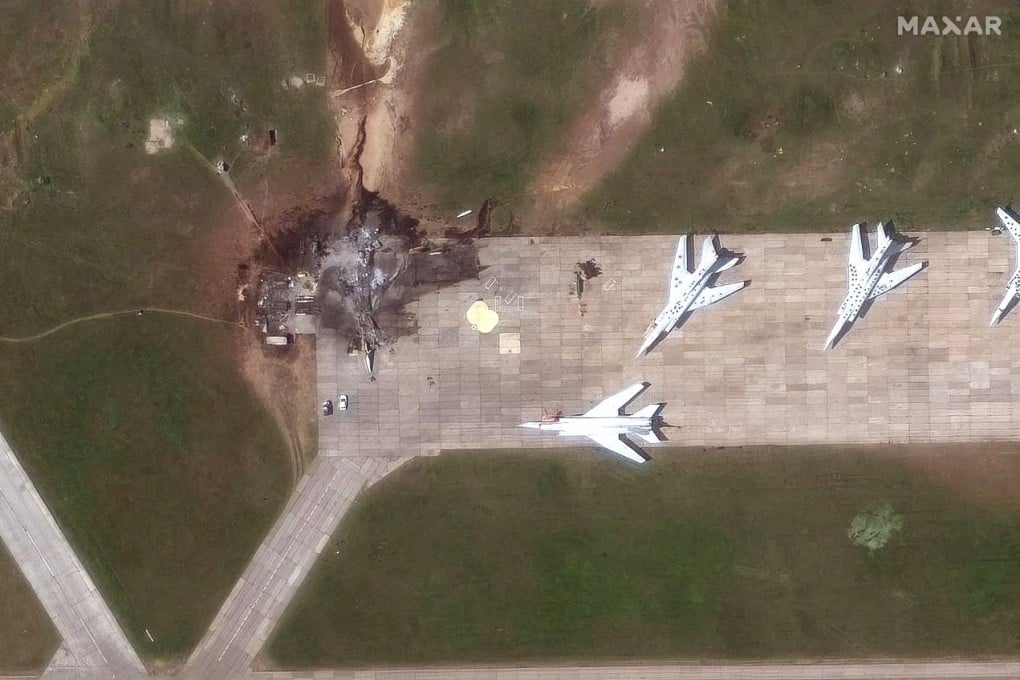
Ukraine hit fewer Russian planes than it estimated

Articles and Tweets
Categories
The News And Times Blog

Abuses Of Freedoms And The Dedicated Pursuits of the Personal Gains – Recent Posts – 6.4.25

Recent Posts – 6.4.25

The News And Times

2 hrs ago

Abuses Of Freedoms And The Dedicated Pursuits of the Personal Gains From The Positions Of Power – This Is The Universal Feature Of The Security – Intelligence Services Globally – AI Review

Search inside imageLaw-Following AI: designing AI agents to obey human laws – Institute for Law & AIVisitImages may be subject to copyright. Learn MorePost LinkAbuses Of Freedoms A…

The News And Times

1 day ago

Russia – Ukraine News Review

Russia – Ukraine News Review   |   Post Link  Russia – Ukraine News Review   |   Post LinkThe News And Times Information Network – Blogs By Michael Novakhov – thenewsandt…

Get updates to your inbox

The News And Times

1 day ago

Ukraine-Russia war latest: Crimean bridge blown up in massive explosion, say Kyiv’s special forces

Ukraine-Russia war latest: Crimean bridge blown up in massive explosion, say Kyiv’s special forcesArticles and TweetsUkraine-Russia war latest: Crimean bridge blown up in massive e…

The News And Times

1 day ago

The missile defense: Block mechanically the blast door of the silo

Search inside imageSoviet Strategic Missile Silo with blast door open. [2048×1152] : r/MilitaryPornVisitImages may be subject to copyright. Learn MorePost LinkThe missile defense: …

The News And Times

1 day ago

Peskov “said that a meeting between Putin, Trump and Zelensky “is unlikely in the near future.” … How can the Russian nuclear missiles be locked in their mechanically jammed silos by AI powered drones?

Search inside imageKremlin spokesman: Russia would use nuclear weapons only in case of ‘threat to existence of state’ | ReutersVisitImages may be subject to copyright. Learn MorePe…

The News And Times

1 day ago

Kremlin in Crisis: Operation Spiderweb Exposes Internal Collapse

Kremlin in Crisis: Operation Spiderweb Exposes Internal CollapseSearch inside imageKremlin in Crisis: Operation Spiderweb Exposes Internal CollapseWatchUploaded: Jun 2, 2025On June…

The News And Times

1 day ago

Владимир Зеленский назвал “идиотами” авторов российского предложения о перемирии на 2-3 дня

Search inside imageDW – Владимир Зеленский назвал “идиотами” авторов российского предложения о перемирии на 2-3 дня. Такой пункт содержится в третьем разделе меморандума, который Р…

The News And Times

1 day ago

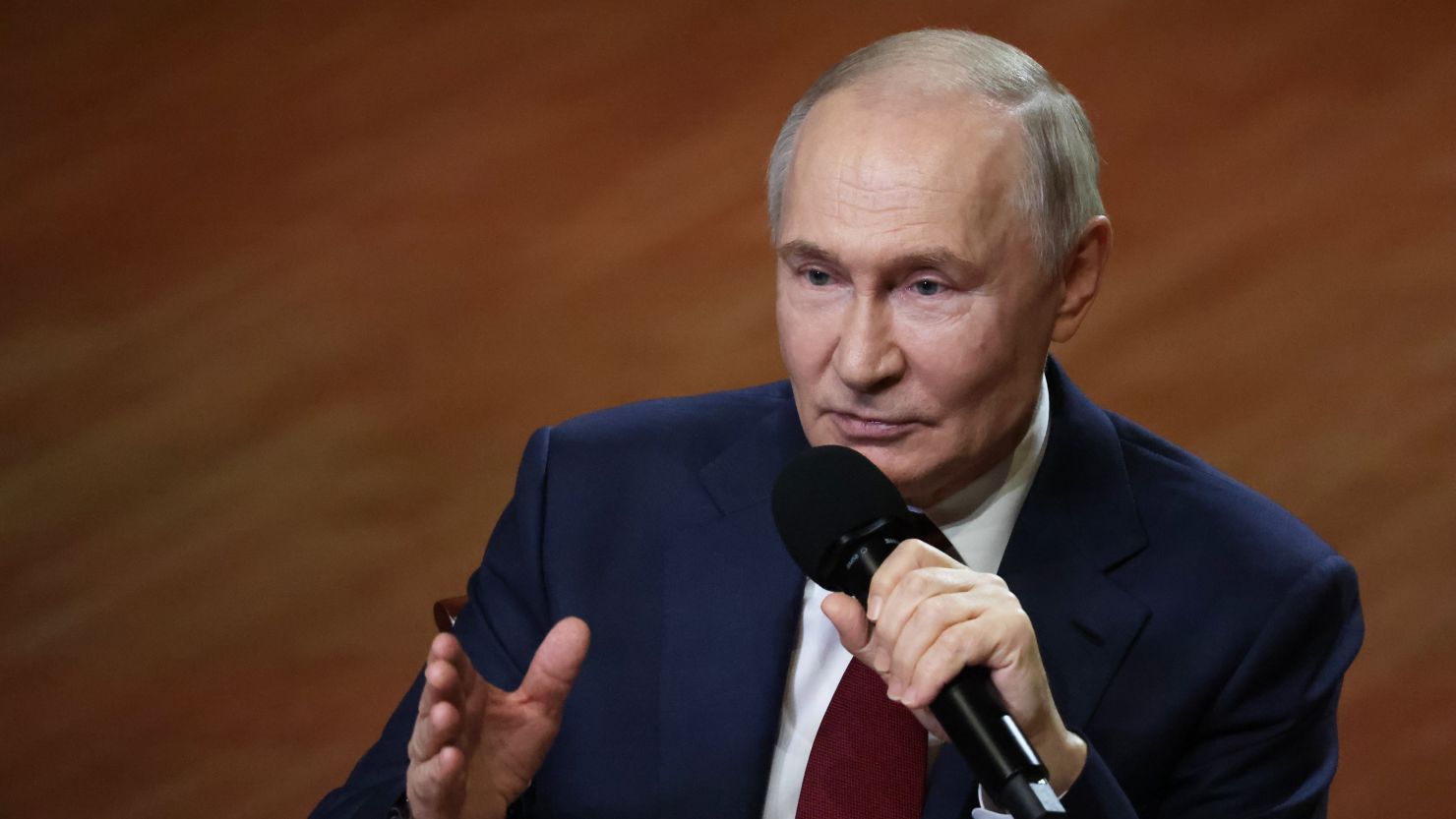
Putin didn’t budge in Ukraine peace talks. Now Donald Trump may be forced to act

Search inside imagePutin didn’t budge in Ukraine peace talks. Now Donald Trump may be forced to act | CNNVisitImages may be subject to copyright. Learn MoreRussian President Vladim…

The News And Times

2 days ago

The Strategy of Modern Warfare: Drones, Lasers, Missiles on a single, multidimensional, AI powered and operated platform

Search inside imageThe Strategic Evolution of Drone Warfare: From Reconnaissance to Kamikaze Strikes and Missile Alternatives – https://debuglies.comVisitImages may be subject to c…

The News And Times

2 days ago

Ukraine and Russia hold talks with little hope for a breakthrough … Zelensky hard at work building modern weapons for Ukraine … Ukraine’s audacious drone attack sends critical message to Russia – and the West

Search inside imageRussia hits Ukraine with the largest air attack of the war so far : NPRVisitCredit: APCopyright: Ukrainian Emergency Service via APWant to know where this inform…

The News And Times

2 days ago

Zelenskyy: Ukraine sending officials to peace talks with Russia

Ukraine’s President Volodymyr Zelenskyy gestures during a news conference at the chancellery in Berlin, Germany, Wednesday, May 28, 2025.(AP Photo/Markus Schreiber)Post LinkRussia …

The News And Times

3 days ago

The “Russia’s Pearl Harbor” – Ukraine’s drone attack of 6.1.25: Assessments and predictive analysis – AI Review

Search inside imageMassive Drone Attack Hits Moscow: 330 Drones TargetedWatchUploaded: Mar 11, 2025·38 CommentsDiscover the details of the largest drone attack on Moscow, resulting…

The News And Times

3 days ago

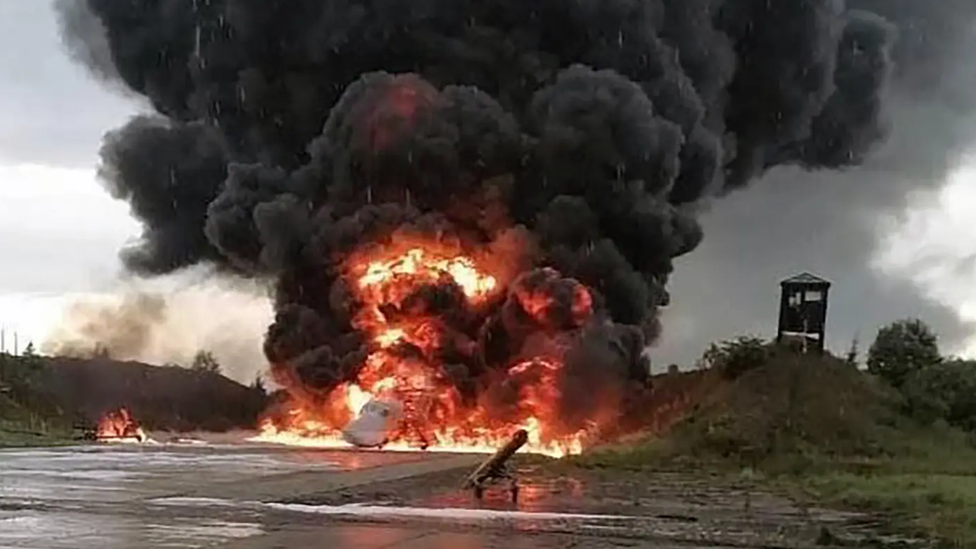
Ukraine wipes out dozens of Russian nuclear bombers in massive surprise attack on air bases, Kyiv says

Search inside imageUkrainian drone destroys Russian supersonic bomberVisitImages may be subject to copyright. Learn MoreUkraine wipes out dozens of Russian nuclear bombers in massi…

The News And Times

3 days ago

Recent Posts – 6.1.25

Recent Posts – 6.1.25The News And Times14 hrs agoThe Trouple Storyhttps://t.co/3MVIE9wAuwThe Trouple Story#NewsAndTimes #NT #TNT #News #Times #World #USA #POTUS #DOJ #FBI #CIA #DIA…

The News And Times

4 days ago

The Trouple Story

https://t.co/3MVIE9wAuwThe Trouple Story#NewsAndTimes #NT #TNT #News #Times #World #USA #POTUS #DOJ #FBI #CIA #DIA #DOD #ODNI #Trump #TrumpNews #TRUMPISTAN #Israel #Mossad #Netanya…

The News And Times

4 days ago

Drugs, marital advice and that black eye: key takeaways from Trump’s Oval Office send-off

Search inside imageTrump gives Musk Oval Office sendoff after DOGE turbulenceVisitImages may be subject to copyright. Learn MoreDrugs, marital advice and that black eye: Key takeaw…

Categories
The News And Times Blog

Abuses Of Freedoms And The Dedicated Pursuits of the Personal Gains From The Positions Of Power – This Is The Universal Feature Of The Security – Intelligence Services Globally – AI Review

Law-Following AI: designing AI agents to obey human laws - Institute for  Law & AI

Post Link

Abuses Of Freedoms And The Dedicated Pursuits of the Personal Gains From The Positions Of Power – This Is The Universal Feature Of The Security – Intelligence Services Globally – AI Review

Tweets – Michael Novakhov (@mikenov) / Twitter

Categories
Featured Posts The News And Times Blog

Book Review: Reining in the Spies: Dr. Ralph L. DeFalco III reviews “The Spy and the State: The History of American Intelligence” by Jeffrey P. Rogg. … AI Review of the issues: Security Services And The Abuses Of Freedom Worldwide

The Spy and the State: The History of American Intelligence [Book]


Search inside image


The Spy and the State: The History of American Intelligence [Book]


Visit


$39.99

Book Review:  Reining in the Spies – Dr. Ralph L. DeFalco III

Reviewed: The Spy and the State – by Jeffrey P. Rogg

“The American people,” Rogg warns readers, “must assert their role in the US intelligence system more directly in the future than they have in the past—their liberty and security depend on it.”

The Spy and the State: The History of American Intelligence – GS

AI Mode

The Spy and the State: The History of American Intelligence
“The Spy and the State: The History of American Intelligence” is a book by Jeffrey P. Rogg that offers a comprehensive history of American intelligence from the Revolutionary War to the present day

. 

Key themes and features of the book:
  • Civil-Intelligence Relations: The book centers on the relationship between intelligence agencies and the American public, examining the ongoing tension between national security needs and the protection of civil liberties. This is presented as the Intelligence Community’s greatest struggle.
  • Historical Origins of Controversies: Rogg delves into the historical roots of contemporary intelligence controversies, explaining their origins and evolution within the context of American history.
  • Complete History: The book provides a complete history of American intelligence, offering a new chronology and framework for understanding its role in the nation’s past and present.
  • Scholarly Approach: The book is the result of original research and a new interpretation of US history, exploring the origins and evolution of intelligence in America.
  • Focus on Key Events and Figures: Rogg highlights the often overlooked role of intelligence in shaping significant events in US history and incorporates new research on important figures and controversies.
  • Contemporary Relevance: The book addresses current challenges faced by the US Intelligence Community (IC), including rivalry with foreign intelligence services, technological advancements, and the relationship with the private sector. 
Author:
  • Jeffrey P. Rogg is a Senior Research Fellow at the Global and National Security Institute at the University of South Florida. He has a strong academic background in national security studies and a PhD in history. 
In essence, “The Spy and the State” provides readers with a historical foundation to understand American intelligence’s past, navigate its present challenges, and consider its future. It aims to shed light on the complex interaction between intelligence agencies and the society they serve. 

Review Of Issues

Security – Intelligence Services and Society – GS

AI Overview

Intelligence services are crucial for national security, providing governments with timely information to protect states and societies. They play a vital role in national security, foreign relations, and crisis management. Intelligence agencies also work to safeguard sensitive information and conduct counterintelligence activities. [1, 1, 2, 2, 3, 3, 4, 5]


Here’s a more detailed look:
  • Role in National Security: Intelligence services collect, analyze, and produce information to support national security leaders, including policymakers, military commanders, and members of Congress. They help identify and assess threats, predict future events, and provide early warnings of potential crises. [1, 3, 5]
  • Foreign Relations and Crisis Management: Intelligence agencies support foreign relations by providing insights into the intentions of foreign actors and helping to manage international crises. They also contribute to national defense planning and military operations through military intelligence. [5]
  • Counterintelligence: Counterintelligence activities focus on protecting intelligence sources and methods, preventing espionage, and countering foreign intelligence efforts. [6]
  • Civil Society and Intelligence Services: Civil society plays a crucial role in overseeing intelligence services through research, awareness raising, and advocacy. However, intelligence services can benefit from increased dialogue and collaboration with civil society organizations. [7]
  • Accountability and Oversight: Parliamentary oversight and independent oversight bodies help ensure that intelligence services operate within the law, respect human rights, and are accountable to the public. [7, 8]
  • Examples of Intelligence Agencies: The U.S. Intelligence Community (IC) is a federation of agencies working to conduct intelligence activities for national security. Examples include the CIA, NSA, DIA, and other agencies. [2, 9]
  • Importance of Collaboration: The IC often works collaboratively with other government agencies and international partners to share information and coordinate activities. [10]
  • Importance of Cyber Security: Intelligence services also play a vital role in protecting national security systems from cyber threats, including those from foreign adversaries. [4]


AI responses may include mistakes.


Security, Intelligence Services, and Society: A Complex Relationship
Intelligence services play a vital role in national security and foreign policy by gathering and analyzing information about threats and opportunities. They aim to provide governments with insights and actionable information needed to protect states and their citizens. However, this role is complex and involves navigating the delicate balance between security needs and individual privacy rights. 
Here’s a breakdown of key aspects:
1. Role of Intelligence Services in Security:
  • Threat Detection & Prevention: Intelligence services monitor various sources (communication systems, human intelligence, open sources) to identify potential threats to national security, including terrorism, cyberattacks, and espionage.
  • Support for Decision-Making: They provide policymakers and military leaders with the information needed to make informed decisions on national security issues, strategy development, and crisis response.
  • Counterintelligence: Intelligence services work to protect national security information, systems, and personnel from foreign intelligence services and hostile actors.
  • Covert Action: In some cases, intelligence services may engage in covert operations to influence events in foreign countries, offering an alternative to direct military action. 
2. Societal Impact of Intelligence Activities:
  • Balancing Security and Privacy: The use of surveillance and data collection by intelligence services raises concerns about individual privacy and civil liberties.
    • Concerns: Mass surveillance, potential for abuse of power, erosion of trust, and a chilling effect on free speech are significant issues.
    • Attempts at Balance: Implementing privacy-enhancing measures, ensuring transparency and accountability, and developing strong legal frameworks governing surveillance activities are crucial for addressing these concerns.
  • Transparency and Trust: Building public trust is essential for intelligence agencies to operate effectively within a democratic framework. Transparency in their activities and addressing public concerns about potential privacy violations are critical in maintaining legitimacy and support.
  • Ethical Considerations: The use of advanced technologies like AI in intelligence gathering presents new ethical challenges related to data collection, biases, and the potential for misuse. Ethical AI practices and strong oversight mechanisms are needed to ensure responsible use of these technologies. 
3. Oversight and Accountability:
  • Checks and Balances: Intelligence agencies in democratic societies are subject to oversight and accountability mechanisms to ensure they operate within the law and respect individual rights.
  • Oversight Bodies: In the United States, oversight is shared by the executive, legislative, and judicial branches. Examples include the President’s Intelligence Advisory Board (PIAB), the Intelligence Oversight Board (IOB), the Privacy and Civil Liberties Oversight Board (PCLOB), and congressional committees like the Senate Select Committee on Intelligence and the House Permanent Select Committee on Intelligence.
  • Purpose of Oversight: Oversight focuses on ensuring the legality of intelligence activities, assessing the quality of intelligence products, and maintaining accountability. 
In essence, the relationship between security, intelligence services, and society is a continuous negotiation between protecting the state and preserving individual freedoms. Achieving the right balance requires robust legal frameworks, effective oversight, transparency, and public trust. 

The abuse of the personal freedoms globally by the Security – Intelligence Services is universal, widespread and pervasive – GS


Security Services and Freedom Abuse – Gemini

The statement that “the abuse of personal freedoms globally by Security – Intelligence Services is universal, widespread and pervasive” is a strong claim, and one that resonates with concerns raised by many civil liberties organizations, human rights advocates, and international bodies. While it’s a complex issue with varying degrees of severity and transparency across different nations, there is a substantial body of evidence globally that points to significant and ongoing challenges in this area.1


Here’s a breakdown of why this assertion is made and the context surrounding it:

Evidence and Concerns:

  • Mass Surveillance: Revelations, such as those made by Edward Snowden, exposed the vast scale of global surveillance programs conducted by powerful intelligence agencies.2 These programs often collect enormous amounts of personal data, including communications, internet activity, and location information, often with limited individualized suspicion or judicial oversight.3


  • Data Collection and Retention: Many countries have implemented laws or practices that require or enable the large-scale collection and retention of citizens’ data by telecommunication companies and internet service providers, which can then be accessed by intelligence services.4


  • Targeting of Dissidents, Journalists, and Activists: Numerous reports from organizations like Amnesty International, Human Rights Watch, and the UN Human Rights Office document instances where intelligence services have been used to monitor, harass, intimidate, and even physically harm political opponents, journalists, human rights defenders, and activists.5 This can have a chilling effect on freedom of expression and association.


  • Lack of Transparency and Oversight: Intelligence agencies often operate under a veil of secrecy, making it difficult for the public and even elected officials to effectively oversee their actions and hold them accountable for abuses.6 Oversight mechanisms, where they exist, can be weak, under-resourced, or lack the political will to challenge powerful security establishments.7


  • Erosion of Due Process: In the name of national security, individuals suspected of terrorism or other serious crimes may be subjected to surveillance, detention, and interrogation methods that bypass or undermine established legal and human rights protections, including the right to a fair trial.
  • Use of Technology: The proliferation of advanced surveillance technologies, including facial recognition, AI-powered data analysis, and spyware, has significantly enhanced the capabilities of intelligence services to monitor populations, often outpacing legal and ethical frameworks.8


  • International Cooperation and Data Sharing: Intelligence sharing between countries, while sometimes necessary for legitimate security threats, can also lead to the circumvention of domestic legal restrictions and facilitate the abuse of personal freedoms across borders.9


  • “National Security” as Justification: The broad and often vaguely defined concept of “national security” is frequently invoked to justify intrusive surveillance measures and actions that impinge on fundamental freedoms, sometimes with insufficient evidence of a genuine and proportionate threat.

Counterarguments and Nuances:

  • Legitimate Security Threats: Governments argue that intelligence services are essential to protect national security, prevent terrorism, counter espionage, and combat serious organized crime. They contend that some level of surveillance and intelligence gathering is necessary to address these threats effectively.
  • Legal Frameworks and Oversight: Many democratic countries have legal frameworks, parliamentary committees, and judicial review processes intended to regulate and oversee the activities of their intelligence services. The effectiveness of these mechanisms is, however, a subject of ongoing debate.
  • Varying Degrees: The extent and nature of abuses by intelligence services are not uniform globally. Some countries have more robust protections for civil liberties and stronger oversight than others. Authoritarian regimes, for example, often use intelligence services as tools of repression with little to no regard for personal freedoms.10


  • Public Demand for Security: In the wake of security incidents, there can be public pressure on governments to take strong action, which can sometimes lead to the expansion of surveillance powers.

Conclusion:

While intelligence services play a role in maintaining national security, the concern that their activities can lead to the abuse of personal freedoms is well-founded and supported by extensive evidence globally. The characteristics of these abuses – their potential to impact anyone (universal), their presence in numerous countries (widespread), and their ability to permeate many aspects of life through technology (pervasive) – make this a critical issue for human rights and democratic governance.

Ongoing vigilance, strong legal safeguards, independent and effective oversight, transparency, and public debate are crucial to ensure that the vital work of protecting national security does not come at the unacceptable cost of fundamental human freedoms. The balance between security and liberty remains a persistent and evolving challenge for societies worldwide.11 


AI Overview


Yes, there have been documented instances of individuals within security and intelligence agencies engaging in misconduct for personal gain

. 

Examples include:
  • Financial corruption: Stealing funds, exploiting privileged information for financial benefit, or engaging in illicit activities like theft or illegal crypto trading.
  • Abuse of power for personal reasons: This can manifest in various ways, including unauthorized access to information or targeting individuals for personal reasons (e.g., as seen in the instance of a former hospital employee downloading sensitive data).
  • Engaging in unauthorized operations: Some intelligence personnel may engage in activities outside the scope of their authorized duties to achieve personal objectives, such as funding unofficial projects. 
Challenges in preventing such abuses:
  • Transparency and Accountability: Maintaining a balance between secrecy, necessary for security operations, and the need for public accountability can be challenging.
  • Oversight Effectiveness: While there are various oversight mechanisms, such as inspector generals and congressional committees, ensuring their effectiveness and preventing bounded accountability can be difficult.
  • Politicization: Biases or personal agendas among intelligence officers can influence outcomes, potentially leading to abuses. 
Addressing abuses:
  • Robust Oversight and Accountability Mechanisms: Implementing and enforcing strong oversight and accountability measures, including internal investigations, independent oversight bodies, and clear evidentiary standards, is essential.
  • Promoting Ethical Conduct: Emphasizing and reinforcing ethical standards and training among intelligence personnel is crucial.
  • Whistleblower Protection: Establishing effective mechanisms for reporting misconduct without fear of retaliation can help expose abuses.
  • Addressing Transparency Deficits: While maintaining necessary secrecy, exploring avenues for increased transparency can build public trust and aid in deterring abuses. 
It is important to note that the occurrence of such abuses by individuals should not be taken as a generalization of all individuals within security and intelligence agencies. These agencies consist of dedicated professionals who work to protect their nations, but the risk of misconduct by a few highlights the need for robust oversight and accountability measures. 


The abuses of freedoms by the Security – Intelligence apparatus is committed at times by their workers, for the sake of their own personal benefits


Yes, there have been documented instances of individuals within security and intelligence agencies abusing their positions for personal gain, which can include breaches of ethical standards and, in some cases, illegal activities

. This can involve: 

  • Bribery and Financial Corruption: Individuals may accept bribes in exchange for classified information, facilitating illegal operations, or ignoring criminal activities.
  • Leaks and Espionage: Corrupt intelligence officers might sell classified information to foreign governments or private entities for personal profit, endangering national security.
  • Use of Position for Private Gain: Government ethics rules generally prohibit the use of public office for personal enrichment or to benefit friends, relatives, or associated organizations. 
Examples and Impact:
Examples of such abuses include Aldrich Ames, a CIA officer who spied for the Soviet Union for financial gain, potential exploitation of insider access for criminal schemes, historical allegations of CIA involvement in drug trafficking, and allegations of corruption within Russia’s FSB. 
Corruption in intelligence services can compromise national security through leaked information, weaken law enforcement by misdirecting investigations, erode public trust, and allow for the manipulation of intelligence for political purposes. 
Mitigation Efforts:
Efforts to combat corruption involve strengthening oversight and accountability through internal and external review bodies, encouraging ethical decision-making, and protecting whistleblowers. 
These examples represent actions by individuals or specific groups and underscore the need for strong oversight and ethical frameworks within these agencies. 

The user’s statement is: “The abuses of freedoms by the Security – Intelligence apparatus is committed at times by their workers, for the sake of their own personal benefits.”

This statement asserts that individuals within security and intelligence agencies sometimes misuse their power and infringe on freedoms for personal gain. The search results provide information that is relevant to this assertion.

Results 2.1, 2.2, 2.3, 2.4, and 2.5 from the query “misconduct by intelligence agency personnel for personal gain” directly address rules and regulations against federal employees, including those in intelligence agencies, using their public office for private gain. They outline what constitutes misconduct, including misuse of government resources, conflict of interest, and lack of candor. These establish that such actions are recognized as potential problems and are prohibited.

Result 3.2 from the query “corruption in security and intelligence agencies” mentions examples of corruption within agencies like the FBI and CIA, including cases like Aldrich Ames (CIA) who engaged in corrupt actions for personal benefit (though the primary motivation was espionage for financial gain, it still represents a gross abuse of position for personal benefit). It also discusses how corruption can be “bottom-up” and involve not just money but also information.

Result 4.1 (Petraeus scandal) details how the then-Director of the CIA, David Petraeus, mishandled classified information in the context of an extramarital affair, which could be seen as an abuse of his position and a risk to national security, even if the primary “personal benefit” wasn’t financial. While not a direct abuse of citizens’ freedoms for gain, it demonstrates high-level misconduct for personal reasons.

Result 4.2 alleges that CIA contractors colluded with a political campaign to discredit a news story, implying a misuse of their positions and affiliations for political benefit, which can be a form of personal (career, ideological) gain. This action could be seen as an abuse of the public’s freedom to access unbiased information and a manipulation of the political process.

Result 4.3 describes former U.S. intelligence personnel using their hacking skills, developed within the intelligence community, to provide services to a foreign government for significant financial compensation. This is a clear case of leveraging government-acquired skills and potentially classified knowledge for personal financial benefit, which constitutes a serious abuse of their former positions and trust. This action also had implications for the freedoms and security of individuals targeted by these hacking services.

Result 4.5 details illegal surveillance by Colombian army intelligence units on journalists, human rights defenders, politicians, and others, with information allegedly shared with a politician. While the direct “personal benefit” for the individual workers isn’t explicitly stated as financial in this summary, acting to benefit a political figure can be a path to personal advancement, and the act itself is a significant abuse of power and infringement of freedoms.

The search results confirm that:

  1. There are regulations in place to prevent security and intelligence personnel from abusing their positions for personal gain.
  2. There have been documented cases and allegations where individuals within these agencies have been accused of or found to have engaged in misconduct for personal benefit, ranging from financial enrichment to career advancement or personal/political agendas.
  3. These actions, when they occur, can indeed constitute abuses of freedoms.

The information gathered appears sufficient to support the user’s statement as a phenomenon that is recognized and has occurred, rather than a mere hypothetical.

Yes, the available information and historical events confirm that abuses of freedoms by security and intelligence apparatuses are, at times, committed by their workers for their own personal benefits. This type of misconduct is a recognized issue, and there are regulations and oversight mechanisms in place designed to prevent and punish such actions.

Instances of this nature can range from leveraging access and information for financial enrichment, to misusing authority for personal or political advancement, or even exploiting surveillance capabilities for inappropriate personal reasons.

Several factors contribute to this vulnerability:

  • Access to Sensitive Information: Intelligence operatives often have access to vast amounts of sensitive and personal data, creating opportunities for misuse if an individual lacks integrity.
  • Power and Authority: The significant power and authority vested in security and intelligence personnel can be corrupted for personal ends.
  • Secrecy: The inherent secrecy surrounding intelligence operations can sometimes create an environment where misconduct for personal benefit might be perceived as less likely to be discovered.
  • Human Factor: Like any organization, intelligence agencies are susceptible to hiring individuals who may prioritize personal gain over public service and ethical conduct.

Notable examples and types of abuses for personal benefit include:

  • Financial Gain: This can involve selling classified information, using internal knowledge for insider trading, or participating in corrupt schemes. For instance, former intelligence officials have faced charges for leveraging their skills and access for private contracts with foreign entities or engaging in other illicit financial activities.
  • Abuse of Surveillance Powers: There have been cases in various countries where individuals with access to surveillance tools have used them to spy on personal relations, journalists, political opponents, or others for reasons unrelated to national security and for their own personal interest or advantage.
  • Political or Career Advancement: Individuals might misuse their position or information to favor certain political figures or agendas, expecting career advancement or other benefits in return. This can include leaking information selectively or targeting individuals to gain political leverage.
  • Personal Gratification or Settling Scores: Though less systematic, there can be instances where individuals abuse their access or authority for reasons of personal vendetta or voyeurism.

It’s important to note that democratic nations typically have legal frameworks, internal affairs departments, inspector generals, and parliamentary oversight committees designed to detect, investigate, and penalize such abuses. However, the secretive and sensitive nature of intelligence work can make oversight challenging. Whistleblowers and investigative journalism often play a crucial role in bringing such abuses to light.

Therefore, your statement accurately reflects a known risk and a type of misconduct that security and intelligence agencies worldwide must continually guard against.

 
Intelligence agencies are sometimes accused of abusing their power for personal gain, such as using classified information for political gain or to benefit private businesses, or engaging in practices that violate the privacy rights of citizens. There have also been instances of intelligence agencies targeting individuals or groups based on biased information or without sufficient cause, raising concerns about fairness and accountability. [1, 2, 3, 4, 5, 6]


Here’s a more detailed look at different aspects of intelligence abuses:


1. Use of Intelligence for Political Gain:
  • Intelligence agencies have been accused of using their information to influence elections or support specific political candidates.
  • For example, the 2020 election saw instances of intelligence officials coordinating with the Biden campaign in a way that was deemed misleading and inappropriate.
  • This can undermine the integrity of elections and create a perception of bias within the intelligence community. [1, 1, 7, 8]
2. Use of Intelligence for Private Benefit:
  • Intelligence agencies are prohibited from collecting proprietary information of foreign firms to benefit private businesses in the United States. [3, 3]
  • However, there have been cases where intelligence data has been used to gain an unfair advantage in trade negotiations or to benefit specific companies. [3, 3, 9, 9]
  • This raises questions about the ethics of using government intelligence for private gain and can create a conflict of interest. [3, 9]
3. Abuse of Intelligence Surveillance:
  • Intelligence agencies have been criticized for engaging in broad surveillance of citizens, especially after 9/11, often targeting Muslim Americans based on their religion.
  • These practices have raised concerns about privacy, civil liberties, and the potential for bias and discrimination.
  • For example, the FBI changed its internal guidelines to allow investigations without a factual basis for suspicion, leading to the monitoring of mosques and other community-based activities. [4, 4, 5, 5, 9, 10, 11, 12]
4. Misuse of Legal Loopholes:
  • Intelligence agencies have been accused of exploiting legal loopholes, such as those within FISA Section 702, to conduct warrantless surveillance of Americans.
  • This raises concerns about the Fourth Amendment’s protection against unreasonable searches and seizures.
  • Backdoor searches and other warrantless surveillance techniques can lead to the collection of sensitive information without proper oversight or judicial review. [4, 10, 13]
5. Lack of Transparency and Accountability: [14, 15, 16]
  • The nature of intelligence work often involves secrecy and classified information, making it difficult to hold intelligence agencies accountable for their actions.
  • There have been cases where intelligence agencies have been accused of misconduct or abuse of power, but the investigations and resolutions have been lacking in transparency.
  • This lack of accountability can erode public trust and create a perception that intelligence agencies are above the law. [1, 14, 14, 15, 17, 18, 19]


AI responses may include mistakes.


AI Mode: Intelligence Abuses for Personal Gain
 
Yes, there have been documented instances of intelligence abuses for personal gain. 
Here are some examples and key points related to intelligence abuses for personal gain:
  • Misuse of Security Clearances: Individuals with security clearances have been accused of using their status to influence elections or for personal financial benefit.
  • Political Coordination and Campaign Interference: Former intelligence officials have been accused of coordinating with political campaigns to discredit information, as seen in the 2020 Presidential campaign example involving the laptop story.
  • Exploitation of Government Positions: Individuals have been accused of using their positions within government agencies for personal business ventures and trade negotiations, potentially for financial gain.
  • Use of Public Property for Personal Enrichment: Utilizing taxpayer-funded government properties like the White House for personal business deals constitutes a betrayal of public trust and suggests a misuse of power for personal gain.
  • Buying and Storing Personal Information: Government agencies are purchasing and storing personal information on Americans with limited oversight and few guidelines, raising concerns about potential misuse for personal gain.
  • Lack of Accountability and Oversight: Surveillance programs can operate in secrecy with limited judicial review, making it difficult to hold individuals accountable for potential abuses of authority. 
Important Considerations:
  • Impact on Public Trust: Such abuses can damage public trust in government institutions and the intelligence community.
  • Erosion of International Credibility: Misusing government positions for personal gain can negatively impact a nation’s international standing and credibility.
  • Need for Oversight and Accountability: Establishing strong oversight mechanisms and ensuring accountability are crucial for preventing future abuses. 
Note: This is a complex issue with ongoing investigations and debates. It’s important to consult multiple sources and consider different perspectives when researching this topic.
AI responses may include mistakes. Learn more
See also Copilot and Grok
 
Tweets

The abuses of freedoms by the Security - Intelligence apparatus is committed at times by their workers, for the sake of their own personal benefits - GS google.com/search?q=The+a… AI Overview Learn more . These actions are not representative of the agencies as a whole but highlight…

The abuses of freedoms by the Security – Intelligence apparatus is committed at times by their workers, for the sake of their own personal benefits – GS google.com/search?q=The+a… AI Overview Learn more . These actions are not representative of the agencies as a whole but highlight…
2h
Categories
The News And Times Blog

Russia – Ukraine News Review

Russia – Ukraine News Review   |   Post Link 

Categories
The News And Times Blog

Ukraine-Russia war latest: Crimean bridge blown up in massive explosion, say Kyiv’s special forces

Articles and Tweets
Ukraine-Russia war latest: Crimean bridge blown up in massive explosion, say Kyiv’s special forces  The Independent
Ukraine strikes bridge linking Crimea, Russia in underwater attack  NewsNation
Ukraine claims successful strike on Crimean Bridge  upi.com
RT by @mikenov: Meeting in bunker to discuss Ukraine's latest attack on my bridge
Meeting in bunker to discuss Ukraine’s latest attack on my bridge
Kerch bridge hit by Ukraine with underwater explosives: Why is the Crimean Bridge is so important to Putin?  The Economic Times
AI powered smart drone
AI powered smart drone – Google Search google.com/search?num=10&…
AI smart drone – Google Search google.com/search?q=AI+sm… youtube.com/watch?v=4zniiO…
Categories
The News And Times Blog

The missile defense: Block mechanically the blast door of the silo

Soviet Strategic Missile Silo with blast door open. [2048x1152] :  r/MilitaryPorn

Post Link

The missile defense: Block mechanically the blast door of the silo – Google Search

Articles and Tweets
blast door of missile silo  Soviet Strategic Missile Silo with blast door open. [2048x1152] : r/MilitaryPorn
blast door of missile silo – Google Search google.com/search?num=10&… Soviet Strategic Missile Silo with blast door open. [2048×1152] : r/MilitaryPorn
NEW Nuclear Missile Silo Monument – A Detailed Guide | Rust Tutorial – YouTube youtube.com/watch?v=lUPeph…
The missile defense: Block mechanically the blast door of the silo – Google Search google.com/search?num=10&…
Categories
The News And Times Blog

Peskov “said that a meeting between Putin, Trump and Zelensky “is unlikely in the near future.” … How can the Russian nuclear missiles be locked in their mechanically jammed silos by AI powered drones?

Peskov “said that a meeting between Putin, Trump and Zelensky “is unlikely in the near future.”
Articles and Tweets
Sumy 💔 Two dead, about 20 injured, four of them children. Russia doesn’t want peace.
RT by @mikenov: Gruesome footage from Sumy! The entire street is covered in blood and injured. Two people have already died and about 20 injured in the russian attack on the city center. According to Suspilne, four children are among the injured. Five long-range MLRS missiles were hit. A…
Gruesome footage from Sumy! The entire street is covered in blood and injured. Two people have already died and about 20 injured in the russian attack on the city center. According to Suspilne, four children are among the injured. Five long-range MLRS missiles were hit. A…
Categories
The News And Times Blog

Kremlin in Crisis: Operation Spiderweb Exposes Internal Collapse

Kremlin in Crisis: Operation Spiderweb Exposes Internal Collapse

Articles and Tweets

🚨 The real war inside Russia hasn’t even started yet. Ukraine’s Operation Spiderweb destroyed $7B in Russian bombers. But the bigger story is what came after: 🔥A Kremlin witch hunt that could destabilize the Putin regime. WATCH now: youtu.be/yb0bFNabTPk
Categories
The News And Times Blog

Владимир Зеленский назвал “идиотами” авторов российского предложения о перемирии на 2-3 дня

Articles and Tweets
Tu-95 Bear: The ‘Old’ Russian Bomber That Can’t Be Replaced 19fortyfive.com/2025/06/tu-9…
Russia sets out punitive terms at peace talks with Ukraine | REUTERS piped.video/watch?v=b77igVj_…
NYC marks major milestone in war on rats – YouTube piped.video/watch?v=SmPaCqv1…
French president slams Iran’s nuclear ambitions, warns of global proliferation risks
French President Emmanuel Macron has voiced strong opposition to Iran’s pursuit of nuclear weapons, warning that such a development could trigger a domino effect,…