https://x.com/mikenov/status/1965116765475574234
How far did the Gusinsky’s money and connections, with the FBI especially, go in the cover up of the true cause of death: Lesin was severely beaten up and his neck was broken?
Was his friend Charles McGonigal involved?
Who else? https://share.google/aimode/m4is6S48SjesaT09U Murder of Mikhail Y. Lesin: the hyoid neck bone was broken
Vladimir Gusinsky and Mikhail Lesin were two influential Russian media figures involved in the post-Soviet media landscape. Gusinsky, a prominent media mogul and founder of the NTV television network, had a contentious relationship with the Kremlin and ultimately fled Russia. Lesin, a former press minister and media advisor to the Kremlin, was instrumental in shaping the state-controlled media and played a key role in developing the industry. [1, 2, 3, 4, 5, 6, 7, 8, 9]
Here’s a breakdown of their roles and interactions:
Media Mogul: Gusinsky was a highly successful businessman who founded NTV, the first major independent television network in Russia after the collapse of the Soviet Union.
Controversial Figure:His media outlets were critical of the government, leading to ongoing conflict with the Kremlin and President Vladimir Putin.
Fled Russia: After facing criminal charges and pressure from the government, Gusinsky was forced to flee Russia in 2000.
Later Life: He continued to be involved in media, though his influence in Russia diminished.
Government Official and Advisor:Lesin served as Russia’s Minister of Press, Television, and Radio, and later as an advisor to President Putin.
Shaped State Media: He played a significant role in establishing and controlling state-aligned media, often working to consolidate power and promote the Kremlin’s agenda.
Controversial Figure: Like Gusinsky, Lesin was a complex and controversial figure, with critics accusing him of suppressing media freedom.
Mysterious Death: Lesin died in 2015 under circumstances that remain debated, with some sources attributing his death to natural causes and others suggesting foul play.
Gusinsky and Lesin’s paths crossed when Lesin was in a position of power within the government and Gusinsky was a target. Lesin was instrumental in the crackdown on independent media, including NTV, and ultimately contributed to the decline of Gusinsky’s media empire.
In essence, Gusinsky represented the struggle for independent media in Russia, while Lesin represented the state’s efforts to control the narrative. [1, 26, 27, 28]
Выражение “как с гуся вода” означает, что человеку совершенно всё равно, его ничто не трогает и не производит впечатления, а также что никакие действия не достигают цели или не приносят результатов. Это сравнение происходит из-за жировой смазки на перьях гуся, благодаря которой вода легко скатывается, не задерживаясь на нём. [1, 2, 3]
Значение и использование
Безразличие: Главное значение фразеологизма — полное безразличие к происходящему. Например, “Ему всё нипочём, как с гуся вода”. [1, 2, 4]
Безнаказанность: Также фразеологизм используется в значении, что кто-то избегает последствий или ответственности за свои поступки, как будто они бесследно исчезают. [4, 5]
Неэффективность: Может означать, что что-то решительно не действует на кого-либо. [1]
Одобрительный или неодобрительный контекст: В современном языке чаще имеет негативный или неодобрительный оттенок, указывая на бесчувственность или безответственность человека. [1, 2, 6]
Происхождение фразеологизма
Наблюдение за птицами: Основа выражения — наблюдение за водоплавающими птицами, в частности гусями. Их перья покрыты специальным жиром, который отталкивает воду. [3]
Древние поверья: Исторически это сравнение использовалось в знахарских формулах и заговорах. Например, фраза “Как с гуся вода, с меня сухота” могла служить для излечения от печали и тоски. [4]
Примеры использования
“Иной бы с горя зачах, а тебе все как с гуся вода”. [2]
“Катя все чаще спотыкалась, сдержанно вздыхала. А Мишке хоть бы что, как с гуся вода”. [4]
White House AI Conference – September 2025Articles and Tweetsshare.google/aimode/FZQdXZc7…x.com58mWhite House AI Conference – September 2025 – Google Search google.com/search?q=Whi…
Selected Tweets: The question is to find out who these monsters really are, with regard to the October 7Michael Novakhov@mikenovhttps://x.com/Osint613/status/1962480265437024411 Th…
Trump and Putin: AI ConversationThe Complex and Controversial Relationship of Donald Trump and Vladimir PutinThe relationship between President Donald Trump and Russian President V…
–Current News Review Links – Updated 8.25.25 – Post LinkGoogle NewsCurrent News Review from The News and TimesCurrent News Review Links – from The News and TimesMichael Novakhov o…
Delirium in elderly as the indication of the medication interactions and side effect The case of A.N. Delirium developed after a brief period (2-3 days) of the sleep and behavioral…
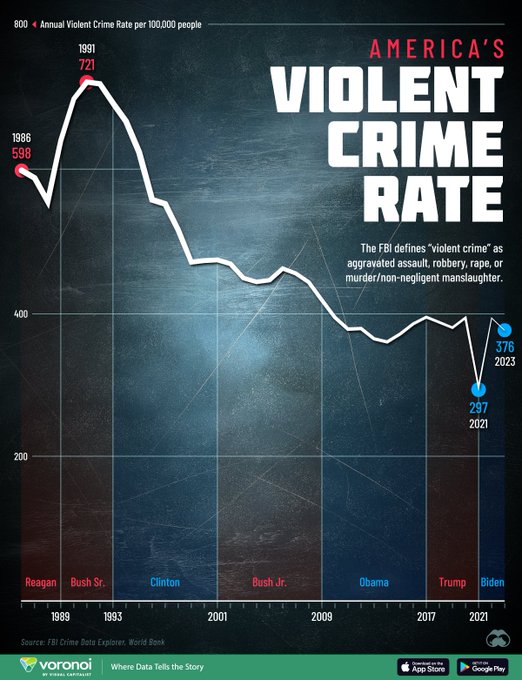
Crime In America – Post LinkThe US Violent Crime Rate Dynamics 1980 – 2025 – 8.31.25Michael Novakhov on X: “AI Mode https://t.co/oLzzO7ZX7Y The US Violent Crime Rate Dynamics 1980 …
Current News Review Links – Updated 8.25.25 – Post LinkGoogle NewsCurrent News Review from The News and TimesCurrent News Review Links – from The News and TimesMichael Novakhov on …
Articles and TweetsСовещание с постоянными членами Совета Безопасности • Президент Россииx.com2hRussian – Jewish – Israeli Mafia – TOC – Google Search AI Overview . The network em…
PUTIN AND THE SHOOTINGSThe FBI does not understand the phenomenon of school and mass shootings, namely their true causes and origins. AudioBeslan School Siege Fast Facts | CNNThese…
Mossad, Cohen, and U.S. Elections – Gem | GSArticles and TweetsGemini – Mossad, Cohen, and U.S. Elections gemini.google.com/share/901a… No Direct Evidence of Mossad Interference in…
Recent Posts – 8.26.25The News And Times52 min agoAI Audio Reports: The political psychology behind the politics of revenge and retribution by Donald TrumpAI Audio Report The polit…
AI Audio Report The political psychology behind the politics of revenge and retribution by Donald TrumpArticles and TweetsAI Audio Report The political psychology behind the politi…
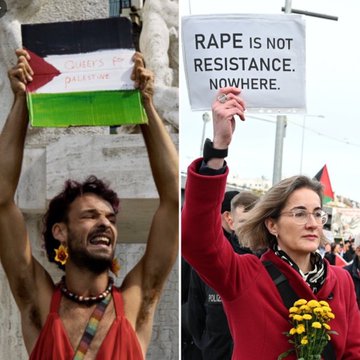
“I’m so tired of people blaming Israel for defending themselves against the monsters who raped women, who burned babies, who beheaded people, who took 250 people hostage, and continue to torture them.”
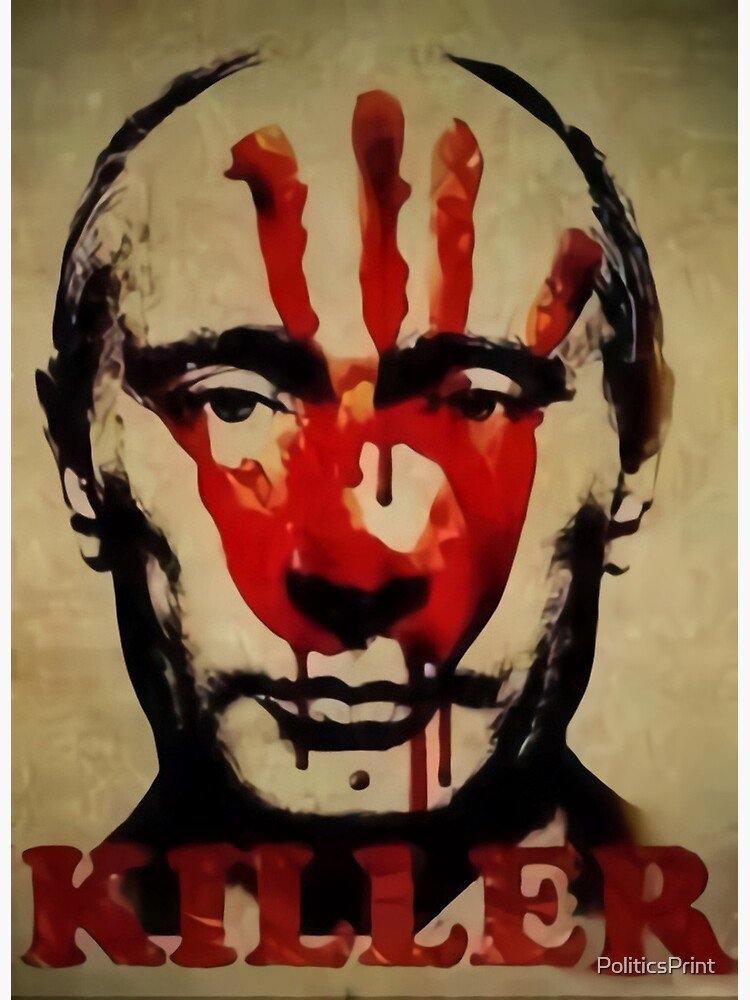
The Complex and Controversial Relationship of Donald Trump and Vladimir Putin
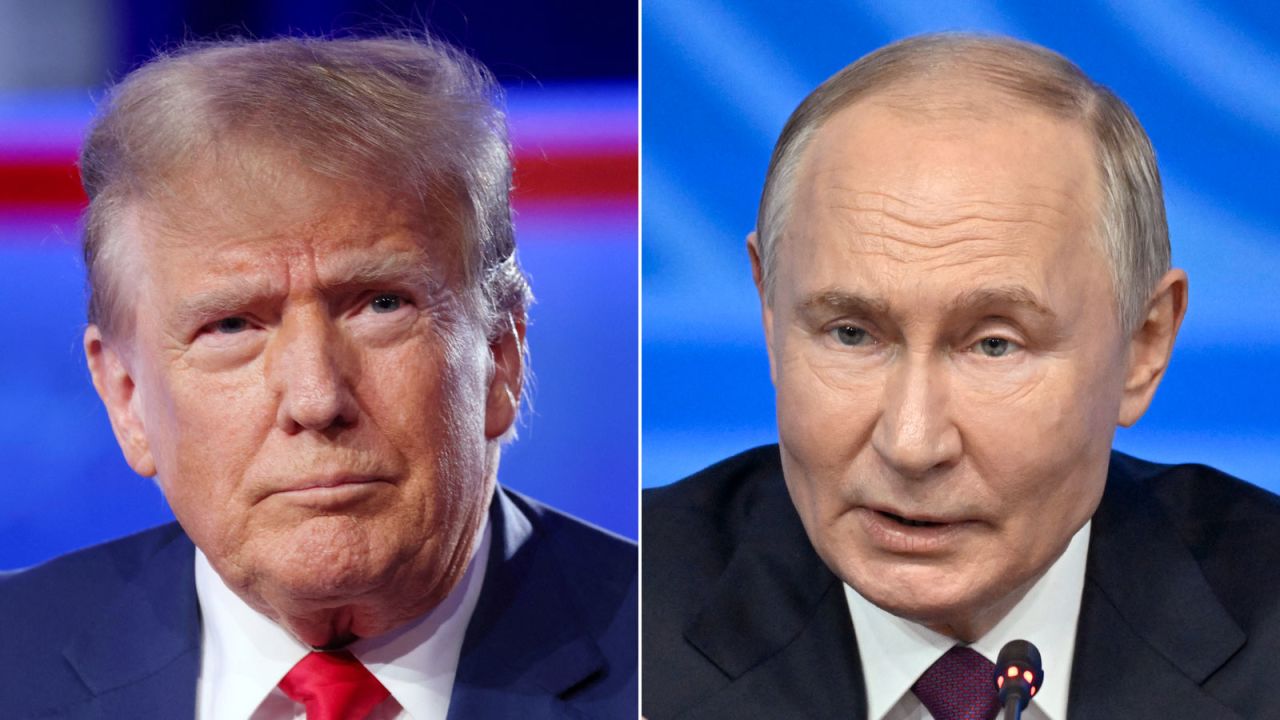
The relationship between President Donald Trump and Russian President Vladimir Putin has been one of the most scrutinized and debated in modern international politics.1 Characterized by a blend of public praise, private meetings, and persistent controversy, their dynamic has challenged traditional diplomatic norms and raised significant questions about the alignment of American and Russian interests. From their early, seemingly congenial exchanges to high-stakes summits, the Trump-Putin relationship has left an indelible mark on the geopolitical landscape.2
A History of Mutual Admiration and Shifting Narratives
Even before Donald Trump’s foray into presidential politics, a narrative of mutual respect was publicly cultivated. In the years leading up to his 2016 campaign, Trump made several positive remarks about Putin’s leadership, often contrasting it with what he perceived as weakness in American governance.3 For his part, Putin offered praise for Trump, calling him a “bright and talented person” and the “absolute leader of the presidential race” in late 2015.
This public admiration continued and intensified during Trump’s first presidential campaign and subsequent term in office. Trump frequently expressed a desire for a better relationship with Russia and often downplayed the findings of U.S. intelligence agencies regarding Russian interference in the 2016 election.4This stance culminated in the controversial 2018 Helsinki summit, where Trump appeared to side with Putin’s denial of election meddling over the conclusions of his own intelligence community, a moment that drew sharp criticism from both Democrats and Republicans.5
High-Stakes Summits and Geopolitical Maneuvering
The Trump-Putin relationship has been punctuated by a series of high-profile meetings that have been closely watched by the international community.6
The Helsinki Summit (2018): This meeting is perhaps the most memorable for its joint press conference, during which Trump’s remarks about Russian election interference sparked a political firestorm in the United States.7 Beyond the controversy, the summit aimed to address a range of issues, from arms control to the Syrian civil war, though concrete breakthroughs were limited.
The 2025 Alaska Summit: This more recent meeting, held in a dramatically different geopolitical context following the full-scale Russian invasion of Ukraine, was framed by the Trump administration as an effort to find a diplomatic off-ramp to the conflict. While no definitive agreement was reached, the summit underscored Trump’s continued belief in the power of personal diplomacy and his willingness to engage directly with Putin, a move that was both praised by some as a pragmatic effort for peace and criticized by others as a legitimization of Russian aggression. The outcomes of the summit were viewed as mixed, with no immediate ceasefire but an agreement to continue dialogue.
A Tale of Two Leaders: Contrasting Styles, Shared Traits
The dynamic between Trump and Putin is also a study in contrasting yet overlapping leadership styles. Both have cultivated an image of being strong, decisive leaders who prioritize national interests above all else. They share a populist appeal and a willingness to challenge established political norms and institutions.
However, their approaches differ significantly. Trump’s style is often characterized as bombastic, transactional, and driven by instinct, while Putin is seen as a more calculated and strategic operator, deeply versed in the intricacies of geopolitics and intelligence.8 Despite these differences, their interactions have often been marked by a degree of personal chemistry, with both leaders appearing to find common ground in their shared skepticism of international alliances and their desire to project an image of national strength.
Geopolitical Implications and Enduring Questions
The Trump-Putin relationship has had a profound impact on the global stage. It has sown division within the NATO alliance, with some European leaders expressing concern over the reliability of the United States as a partner.9 The perceived affinity between the two leaders has also emboldened other authoritarian figures and has been a central theme in the broader narrative of a shifting global order.
Key areas of geopolitical impact include:
NATO and Transatlantic Relations: Trump’s frequent criticism of NATO and his perceived warmth towards Putin created uncertainty and anxiety among traditional U.S. allies.10
The Conflict in Ukraine: The nature of the Trump-Putin dynamic has been a critical factor in the international response to the war in Ukraine, with Trump’s approach to the conflict often diverging from that of his European counterparts.
Arms Control: Discussions on the future of nuclear arms control treaties, such as New START, were a recurring feature of their interactions, with both sides expressing a desire to avoid a new arms race, though concrete progress has been elusive.11
Global Perceptions: The relationship has been a focal point of international media coverage and analysis, shaping global perceptions of both the United States and Russia and contributing to a sense of unpredictability in international affairs.
In conclusion, the relationship between Donald Trump and Vladimir Putin is a multifaceted and consequential one. It is a story of two powerful leaders who, despite their different backgrounds and political systems, have found a degree of common ground and mutual respect. Their interactions have challenged the post-Cold War international order and have left a legacy of controversy, debate, and uncertainty that continues to shape global politics.12
Trump’s attempts to push Putin toward peace are proving to be a farce. It seems the US President is now beginning to fully realize that his only viable option is to arm Ukraine.