Categories
The News And Times Blog

New sanctions imposed by the U.S. against Russia – News Review

2 hours ago

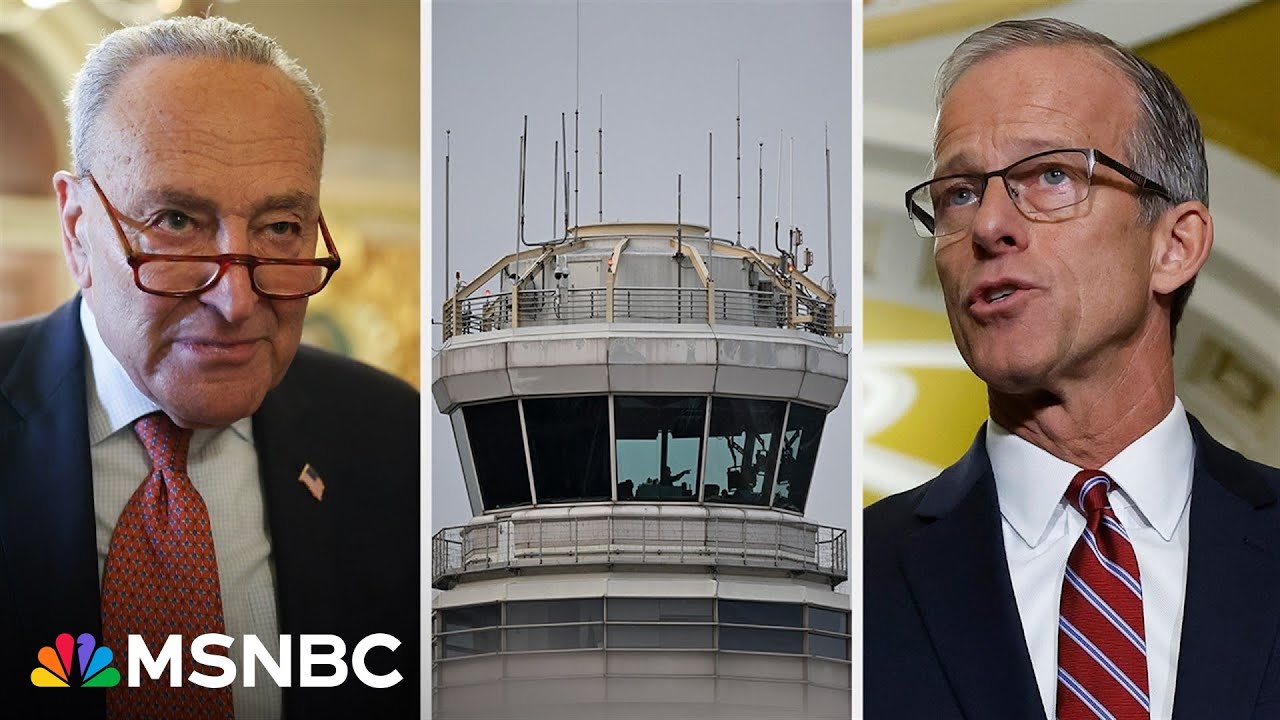
On Friday, October 24, 2025, major news stories include the continuing U.S. government shutdown, new sanctions imposed by the U.S. against Russia, developments in the sports betting scandal involving NBA figures, and a strong hurricane approaching the
Articles and Tweets
Categories
The News And Times Blog

There were cheers in Ukraine and the EU when Donald Trump’s administration sanctioned Russia’s two biggest oil companies yesterday. – Main News Today – 8:40 AM 10/23/2025

There were cheers in Ukraine and the EU when Donald Trump’s administration sanctioned … 

As of Thursday, October 23, 2025, major news includes new U.S. sanctions on Russian oil companies, political turmoil surrounding a U.S. government shutdown, and a historic royal visit to the Vatican.
U.S. politics and government
Russia sanctions: President Donald Trump’s administration has imposed new sanctions on Russia’s two largest oil companies, Rosneft and Lukoil, citing the war in Ukraine. This has caused global oil prices to rise.
Government shutdown: The federal government remains shut down as an impasse over budget negotiations continues in Congress. The national debt has surpassed $38 trillion during the shutdown.
to make way for a new ballroom, a move that has drawn controversy.
White House East Wing demolition: Work has begun to demolish the White House’s East Wing
NYC mayoral debate: In the final mayoral debate for New York City, candidates Zohran Mamdani and Andrew Cuomo traded insults.
World news
Royal visit to Vatican: King Charles has become the first British monarch in almost 500 years to pray with a Pope, joining Pope Leo at the Sistine Chapel.
Israel-Palestine conflict: Vice President JD Vance is in Israel to manage challenges to the ceasefire agreement with Hamas, after recent clashes threatened the deal. In related news, Israel’s parliament advanced a bill to annex the occupied West Bank, drawing warnings from U.S. Senator Marco Rubio.
in Paris. The museum’s director has confirmed that no security camera covered the balcony where thieves entered.
Louvre jewel heist: Authorities are investigating a daring daylight jewel heist at the Louvre Museum
North Korean missile test: North Korea announced it has tested a new hypersonic missile system.
.Niger kidnapping: An American missionary was reportedly kidnapped from his home in the capital of Niger
Other headlines
Misty Copeland retires: After a trailblazing career, ballet star Misty Copeland has performed her final show with the American Ballet Theatre.
National debt reaches new milestone: The U.S. national debt has topped $38 trillion for the first time.
NCAA betting rules change: College athletes will be allowed to bet on professional sports starting November 1.
Articles and Tweets
Categories
The News And Times Blog

The FBI will not pay its informants! How will America survive this? The Worlds is coming to its end!

The FBI will not pay its informants!

The Worlds is coming to its end!
Categories
The News And Times Blog

Current News Review Links

Michael Novakhov on X: “Current News Review Links

Posts Review – The News And Times – thenewsandtimes.blogspot.com/feeds/posts/default

TNT Blog in brief posts

The News And Times Blog In Brief
________________________

News Review Summaries in AI Mode


Main News Now 

Summary of main Trump News today

Russia-Ukraine War News Today

FBI news today

Notable Opinions Today: editorials, op-eds, columns, articles

________________________________________________

Google News

All News – Current News Review
Articles and Tweets – Current News Review
Collections
Blogs
Audio News Review

The News and Opinions Podcast

Video News Review
Video – YouTube Searches
Video and Audio News Review | Video по-русски
Michael Novakhov on X: “Video – YouTube Searches 
Security and Intelligence News Review
Russia and Ukraine​ News Review
South Caucasus
Brooklyn, N.Y. News
Israel and Middle East News Review 

FBI News   FBI news today   FBI Videos and Playlist

Sites

Articles and Tweets – Oscar Videos – Video News Review

Selected AI Conversations


AI Mode


REVIEW

Operation Trump: The New Abwehr – Mossad Hypothesis

Operation Trump: The New Abwehr – Mossad Hypothesis 

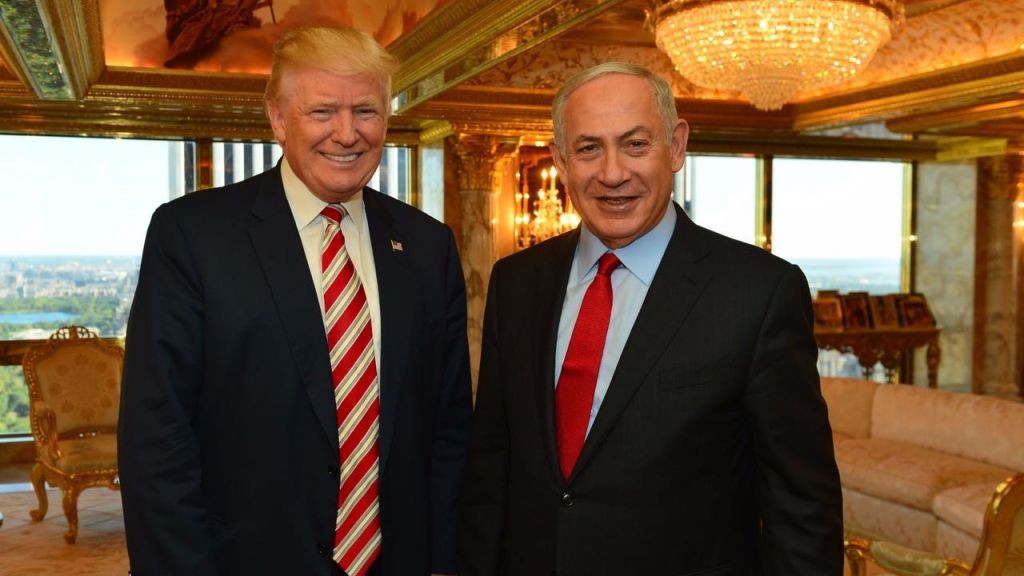
Trump-Netanyahu ring

https://thenewsandtimes.blogspot.com/2024/01/trump-netanyahu-ring-links-to-tweet.html

https://twitter.com/mikenov/status/1746213494922371160

The Hypothesis of Israeli Interference in the US Elections 2016 thenewsandtimes.blogspot.com/2024/01/the-hy
Mossad collected various US government emails for years prior to 2016 with the help of its many human assets. During 2016 campaign it released the Clintons emails via various “Leaks”, in the attempt to portray her as “unreliable” and to hurt her election chances. In the process it developed various covers, mostly Russia, with whom it had the agreement to cooperate. Jared Kushner the agent of Mossad, adapted their algorithms for the US elections. And finally, it orchestrated the October Surprise 2016: it set up Anthony Weiner and inserted Clinton’s emails into his laptop, in the attempt to portray Huma Abedin as treacherous. It coordinated closely with the “Trump-Land” FBI via James Kallstrom and Charles McGonigal, who was set up later for a fall guy, in addition to many others previously. The US Government should investigate this and the related hypotheses carefully, and the findings should be published after the proper investigations, filling out the blank spots. It will be good for both the US and Israel. These arrogant, stab in the back, Mossad shenanigans have to stop!
Michael Novakhov
5:43 AM 1/17/2024
Links
Israeli Interference in the US Elections 2016 – GS
Forensic exam of the Weiner’s Laptop: It was requested by the FBI in 2016 but it remains unclear if it was performed, how it was performed, by whom, and what are the results of it. Were there any signs of the cyber intrusion and the unauthorized cyber insertion of about 650,000 Clinton emails leaked earlier? I asked this question about a year ago, but there still no answers. This issue is of the primary importance in the task of the understanding the October Surprise 2016, its origins, true circumstances, and true causes. It is very important but a very simple question, requiring “yes or no” answer, to which the American people are fully entitled. Please, answer it!
https://twitter.com/mikenov/status/1747653565374488627
Ukrainian drone unit destroys Russian T-72B3 tank near Bakhmut – Selected Articles
thenewsandtimes.blogspot.com/2024/01/ukrain

Operation Trump: The New Abwehr – Mossad Hypothesis 

Related Links: 

Current Tweets: Operation Trump: The New Abwehr – Mossad Hypothesis

#NewsAndTimes 

__________________________

Categories
The News And Times Blog

Categories
The News And Times Blog

Genetic studies show that the Azerbaijani ethnic group has a mixed genetic heritage, primarily from the indigenous populations of the Caucasus and ancient Iranian-speaking groups. The Turkic identity is a later development, arriving with Turkic migrations starting in the 11th century. There is no significant genetic link to Mountain Jews.

AI Mode

Genetic studies show that the Azerbaijani ethnicity is a mixed population with roots in the indigenous peoples of the Caucasus and Iran, alongside significant Turkic influence, but not a “heavy mix” of Mountain Jewish ancestry. [1, 2, 3]


Indigenous Caucasian and Iranian ancestry

Genetic research indicates that the primary genetic heritage of modern Azerbaijanis comes from the autochthonous populations of the Caucasus region and Iran.
  • A history of linguistic and cultural shifts: The region’s original inhabitants were Caucasian groups and ancient Iranian peoples, such as the Medes. This population gradually adopted a Turkic language and identity through centuries of conquest and migration, a process known as Turkification.
  • Geographic rather than linguistic relationships: A 2002 study noted that Turkic-speaking Azerbaijanis and Indo-European-speaking Armenians are genetically more closely related to each other and other Caucasian neighbors than to their respective linguistic families elsewhere. This provides evidence for a language replacement of indigenous peoples. [2, 4, 5, 6, 7]

Turkic influence

While Central Asian genetic contribution exists, it represents a smaller, though significant, component compared to the indigenous gene pool. Turkic migrations, including the Seljuqs in the 11th century, led to the Turkification of the local inhabitants. Studies have identified genetic markers associated with Central Asian populations, but they are less significant than the Caucasian and Iranian heritage. [2, 8, 9, 10, 11]


Connection to Persian peoples

Modern Azerbaijanis have significant genetic ties with the Iranian gene pool, particularly with the Persian population. Both groups share a broader West Eurasian genetic connection, being genetically intermediate between Europeans and Near Easterners. Historically, the region was dominated by Iranian-speaking peoples before the Turkic language shift. [1, 3, 8, 9, 12]


No strong genetic link to Mountain Jews

Genetic research does not support a “heavy mix” of Mountain Jewish roots. Mountain Jews are a distinct ethnoreligious group with ancestors who migrated from Persia to the Caucasus and are genetically similar to other Jewish diaspora communities, sharing a Levantine origin. Studies show they are not of Turkic origin and there is no evidence of significant admixture with the broader Azerbaijani population, though limited gene flow between neighboring groups is possible. [13, 14, 15, 16, 17]


AI responses may include mistakes.


The genetic studies of the Azerbaijani ethnicity: heavy mix of the Turkish, Persian, and the Mountain Jews roots

50 minutes ago

Genetic studies show that the Azerbaijani ethnic group has a mixed genetic heritage, primarily from the indigenous populations of the Caucasus and ancient Iranian-speaking groups

. The Turkic identity is a later development, arriving with Turkic migrations starting in the 11th century. There is no significant genetic link to Mountain Jews. 

Indigenous and Iranian genetic roots
The oldest and most substantial genetic component of modern Azerbaijanis comes from the indigenous populations of the Caucasus region and ancient Iranian groups. 
  • Caucasian ancestry: This is a major component, with DNA analysis of maternal (mtDNA) and paternal (Y-chromosome) markers showing a closer relationship to their Caucasian geographic neighbors than to their Turkic linguistic counterparts. Ancient Caucasian Albanian peoples are considered part of this indigenous ancestry.
  • Iranian ancestry: Before Turkification, the population was assimilated by Iranian peoples, such as the Medes and later the Alans. Studies indicate strong genetic ties between Iranian Azerbaijanis and Kurds, and proximity to other Iranian populations. The Old Azeri language, an Iranian language, was spoken in the region for centuries. 

Turkic influence
The Turkic genetic contribution to the Azerbaijani people is significantly less than the indigenous Caucasian and Iranian input. 
  • Oghuz Turks: The Turkification process began with the arrival of Oghuz Turkic tribes in the 11th century and continued through later periods, including the Mongol conquests.
  • Central Asian admixture: Studies have estimated the Central Asian genetic input from Turkic peoples at approximately 10-25%, with one estimate showing a higher contribution on the paternal side (32%). 

Limited connection to Mountain Jews
Genetic research has found no evidence of a significant shared ancestry between Azerbaijanis and Mountain Jews.
  • Different origins: Mountain Jews have been shown to have limited or no Turkic genetic component, and their customs and language differ significantly from Turkic peoples.
  • Jewish population study: A broader genetic study on Jewish origins, which included samples from the Caucasus region, found no particular genetic similarity between Ashkenazi Jews and populations representing the Khazar region. 

Comparison with regional groups
Comparative genetic studies show how Azerbaijanis relate to other groups in the surrounding area. 
  • Turks vs. Azerbaijanis: While both groups have some Turkic ancestry, studies have shown that populations in central Iran are genetically closer to Caucasian Azerbaijanis than to the population of Turkey.
  • Iranian vs. Caucasian Azerbaijanis: A study showed that Azerbaijanis from the Republic of Azerbaijan cluster closer to other Iranians, while Iranian Azerbaijanis show a closer genetic relationship to Georgians. 

Genetic diversity
Despite the mixed heritage, some genetic markers are widespread within the Azerbaijani population. 
  • Shared haplogroups: Y-DNA studies show that Azerbaijanis, along with Turks and Iranians, carry Haplogroup J2. However, a broader range of Y-haplogroups of Near East, Central Asian, East European, and minor South/West European origins have been identified, confirming the diverse genetic mix. 
Implications of haplogroup distribution
The distribution of these haplogroups reflects the complex history of the region: 
  • Indigenous and Iranian layers: The high frequencies of Y-DNA haplogroups J1, J2, G2a, and R1b reflect the ancient Caucasian and Iranian populations that inhabited the area before the arrival of Turkic speakers.
  • Turkic overlay: Later migrations from Central Asia brought additional, though less numerous, genetic markers, mostly on the paternal side.
  • Consistent maternal ancestry: The strong West Eurasian signal in the mtDNA indicates that the maternal gene pool was largely untouched by migrations from Central Asia, consistent with a male-dominated process of assimilation and language shift (Turkification). 
What other evidence supports a link between Azerbaijani and Iranian groups?
Besides genetics, other evidence for a link between Azerbaijani and Iranian groups comes from linguistic history, cultural traditions, and shared historical developments

. This connection reflects centuries of symbiosis and assimilation that occurred in the region before the adoption of a Turkic language. 

Linguistic evidence
  • Old Azeri language: Historical research and accounts from early Arab and Iranian sources confirm the existence of an Old Azeri language, which belonged to the Iranian language family. This language was widely spoken in the region of historic Azerbaijan for centuries before the arrival of Turkic speakers in the 11th century.
  • Modern Iranian languages in the region: Remnant Iranian-speaking populations, such as the Talysh and Tats, still live in Azerbaijan and northwestern Iran. Their languages are considered to be modern descendants or close relatives of the extinct Old Azeri language.
  • Loanwords in modern Azerbaijani: The modern Azerbaijani language, which is Turkic, contains numerous loanwords and grammatical influences from Persian. Some dialects even show a dissolution of vowel harmony, which is attributed to Persian linguistic influence. 

Historical and archaeological evidence
  • Pre-Turkic Iranian presence: The region of historic Azerbaijan has an Iranian presence spanning more than 3,000 years, beginning with the settlement of the Medes around the 1st millennium BCE.
  • Zoroastrianism: Archaeological findings reveal a strong influence of Zoroastrianism, a pre-Islamic Iranian religion, in the Caucasus region. The name “Azerbaijan” itself is believed by many scholars to be derived from the Persian word azar (“fire”), a reference to the Zoroastrian fire temples fueled by the region’s oil.
  • Iranian-ruled dynasties: Several dynasties with Iranian cultural roots, such as the Safavids (who came from Ardabil in Iranian Azerbaijan), governed the region for centuries. The Qajar dynasty, also of Turkic ethnicity, was heavily influenced by Persian culture. 

Cultural and religious ties
  • Norouz: Azerbaijanis celebrate Norouz, an ancient Zoroastrian festival marking the spring equinox. This celebration is also a major cultural event in Iran and among other Iranian peoples.
  • Folklore and literature: Azerbaijani folklore draws elements from both Persian and Turkic mythology. The epic tales often contain parallels to themes found in Persian myths, such as the Simurgh (a mythical bird). Prominent literary figures from the region, such as the classical poet Nezami Ganjavi, wrote in Persian prior to the shift to a Turkic literary tradition.
  • Shared Shia Islam: A significant religious link is the shared majority adherence to Shia Islam. This common heritage is rooted in the Safavid era (1501–1722), when both regions converted to Shia Islam, solidifying their religious connection. 

Geographic and ethnic links
  • Geographic location: Azerbaijan’s location as a bridge between Mesopotamia, the Caucasus, and Central Iran has naturally fostered extensive historical and cultural exchange with Iranian groups.
  • Iranian Azerbaijan: A large population of ethnic Azerbaijanis, potentially more than the number in the Republic of Azerbaijan, resides in the historical region of Azerbaijan within modern-day Iran. These two groups were part of a single nation until the 19th century, when a series of wars with Russia led to the division of the territory. 


Categories
The News And Times Blog

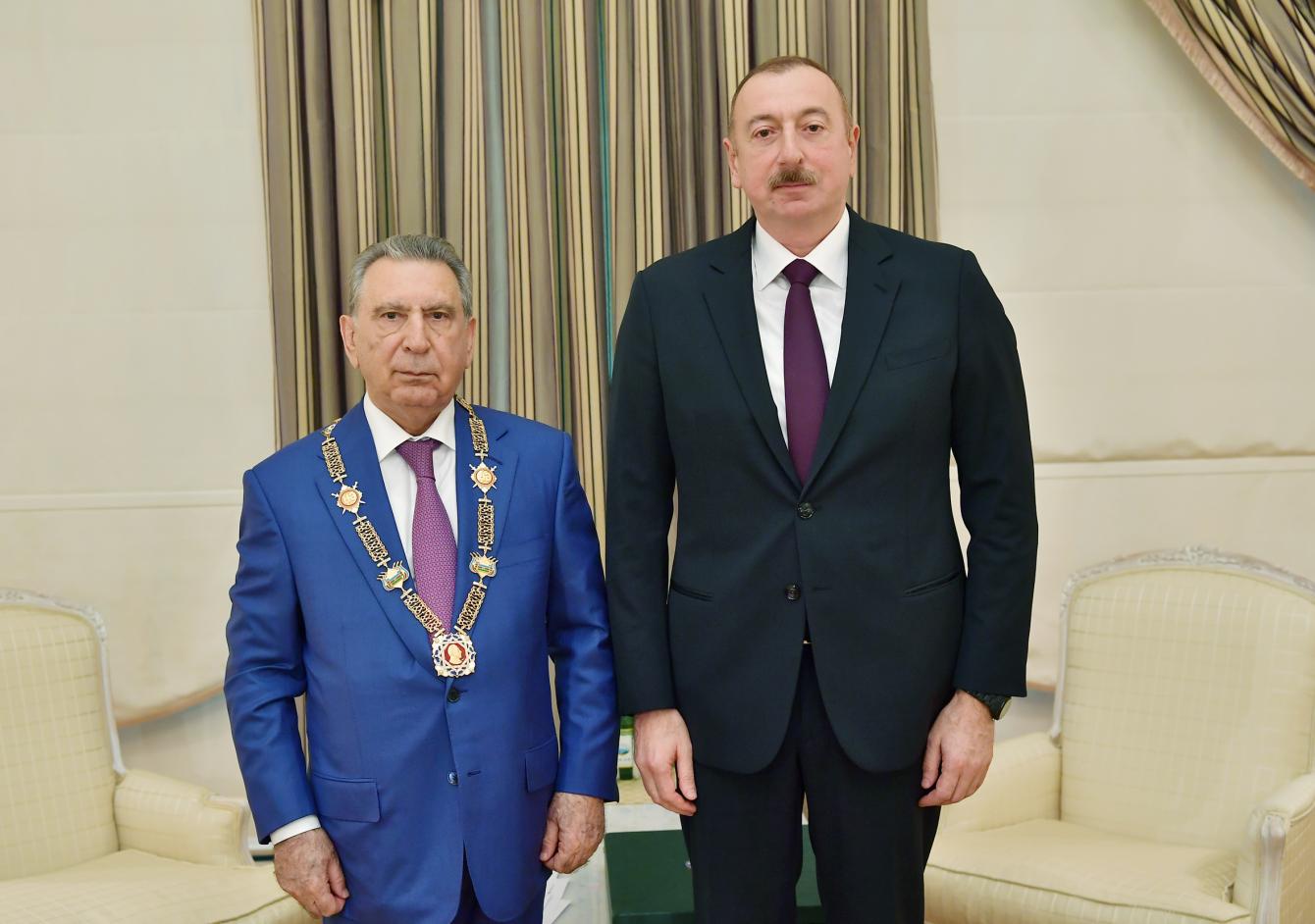
Ramiz Mehdiyev’s “Treason” case is staged and fabricated by the Azerbaijani KGB


While it cannot be stated as a definitive fact that the Ramiz Mehdiyev treason case was “staged and fabricated,” such allegations reflect widespread speculation and are consistent with a long-documented pattern of the Azerbaijani government using fabricated charges to repress dissent

. Critics also point to the political implications of a government insider being charged with treason in the days leading up to his son-in-law’s potential presidential candidacy. 

Allegations of a fabricated case
  • Decades-long pattern: Azerbaijan has a long history of suppressing dissent by using politically motivated charges to jail critics, journalists, activists, and other opponents. These often involve vague or baseless charges such as financial crimes, drug possession, or hooliganism. In the past, the State Security Service (KGB successor) has been involved in such cases, though the current allegations against Mehdiyev involve the KGB’s Azerbaijani successor.
  • Political implications: Mehdiyev, a long-time “grey cardinal” in the ruling party and a former chief of the presidential administration, was accused of treason and an attempted coup in October 2025. The timing is notable, as it came shortly before his son-in-law, Ilgar Mammadov, was expected to challenge President Aliyev in the upcoming presidential election. This led to speculation that the treason charges were designed to neutralize a potential political opponent.
  • Conflicting narratives: Government-aligned media, like APA, reported that Russia tipped off Azerbaijan about Mehdiyev’s alleged plan. However, some critics suggest this story is implausible, as it portrays Russia as abandoning a long-time ally for seemingly trivial reasons.
  • Lack of transparency: Details about the alleged plot and the security agencies’ role remain undisclosed, which fuels skepticism. In previous cases, Azerbaijani authorities have been criticized for a lack of transparency and for holding closed-door trials. 
Potential motivation
  • Silencing a rival faction: The treason charge could be a tactic by President Ilham Aliyev to eliminate a powerful rival faction within the ruling elite. Mehdiyev, despite his previous influence, had been sidelined in recent years, making him a potential threat.
  • Consolidating power: The case may be a move to consolidate power further within Aliyev’s inner circle and to eliminate any remaining vestiges of the old guard.
  • Preventing a potential opposition figure: The treason charges against Mehdiyev effectively remove his son-in-law, Ilgar Mammadov, from the political race and deter other potential challengers. 
Important to note
  • Limited information: Independent reporting on this case is scarce, as the Azerbaijani government tightly controls the flow of information and suppresses independent journalism. This makes it difficult to verify claims and counterclaims.
  • State-controlled media: State-aligned media outlets play a significant role in promoting the government’s narrative. Their accounts often lack independent verification and may be intended to manipulate public opinion. 

4 hours ago

As of mid-October 2025, former Azerbaijani politician Ramiz Mehdiyev is under house arrest following charges of treason and attempting to seize power with Russian support

. The charges were reportedly revealed to Azerbaijani President Ilham Aliyev by Russian President Vladimir Putin. 

Recent developments
  • Charged with treason: Mehdiyev was placed under a four-month house arrest by a Baku court, which cited his advanced age of 87. The charges include treason, forcible seizure of power, and money laundering.
  • Failed coup plot: According to pro-government media outlets, Mehdiyev allegedly planned a coup and presented it to Russia, which later informed Aliyev. The timing is linked to a period of tension between Azerbaijan and Russia earlier in 2025, following a plane crash that Baku blamed on Russian air-defense systems.
  • Potential motive: Analysis suggests that after a series of public humiliations and the sidelining of his allies in recent years, Mehdiyev may have sought Russian assistance to regain power.
  • Stripping of honors: Mehdiyev, who holds numerous state awards, may have them revoked by a court decision. 
Background
  • “Gray Cardinal”: Mehdiyev earned the nickname “Gray Cardinal” during his long and powerful career. He served as the head of Azerbaijan’s Presidential Administration for nearly 25 years, from 1995 to 2019.
  • Dismissal and decline: He was dismissed in 2019, officially to make way for a younger generation, but his public standing later diminished after a controversial family wedding in 2020 violated pandemic restrictions.
  • Academic role: Following his dismissal from the Presidential Administration, he briefly served as the president of the National Academy of Sciences of Azerbaijan before resigning in 2022.
Articles and Tweets

Categories
The News And Times Blog

Articles and Tweets: PBS News Weekend live episode, Oct. 19, 2025

Articles and Tweets

Categories
The News And Times Blog

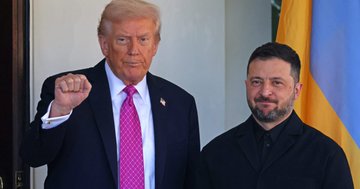
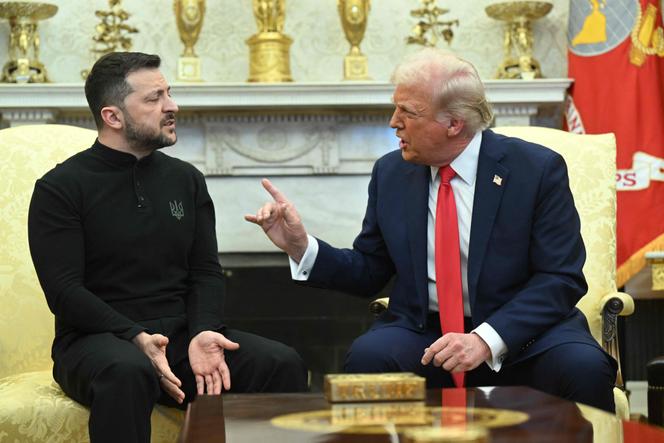
Trump and Zelensky: The analysis of the political relationship – Conversations with AI

Trump and Zelensky: Analysis of the political relationship

The political relationship between Donald Trump and Volodymyr Zelensky has seen significant shifts and is characterized by friction, public disagreements, and recent attempts at diplomacy. Following Trump’s return to the presidency in 2025, their dynamic has been shaped by the ongoing war in Ukraine and Trump’s stated goal of ending the conflict quickly. [1, 2, 3, 4, 5]


Key moments in 2025

February: Relations hit a low point after a tense Oval Office meeting.
  • The meeting reportedly devolved into a shouting match, with Trump calling Zelensky “disrespectful” and accusing him of “gambling with World War Three”.
  • Trump also called Zelensky a “dictator,” and Zelensky accused Trump of being in a Russian “disinformation space”.
  • Following the heated exchange, the U.S. “paused and reviewed” military aid to Ukraine. [1, 6]
March–September: A period of rebuilding followed the February confrontation.
  • The initial fallout prompted Zelensky to issue a statement calling the incident “regrettable” and acknowledging Trump’s “strong leadership”.
  • In October, the relationship appeared to have “taken a U-turn” toward a more cordial but still complex dynamic. Zelensky has publicly praised Trump’s diplomatic abilities, drawing a parallel to a ceasefire he brokered in the Middle East. [1, 2, 7, 8]
October: A White House meeting on October 17, 2025, showed a warmer tone but highlighted policy divisions.
  • During the meeting, Zelensky sought long-range Tomahawk cruise missiles from the U.S. to strike deeper into Russia.
  • Trump, however, denied the request for now, citing concerns about escalation.
  • Instead of escalating the military aid, Trump advocated for a ceasefire along the current battle lines, leaving final victory to be decided by “History”.
  • Zelensky publicly agreed that a ceasefire was necessary before further talks, but he has not dropped his demands for long-range missiles.
  • The meeting took place just one day after a phone call between Trump and Russian President Vladimir Putin, during which Putin warned against supplying Ukraine with Tomahawks. [8, 9, 10, 11]

Policy differences and diplomatic goals

Despite recent improvements in the personal rapport between the two leaders, there are clear differences in their diplomatic goals.
  • Trump’s “peace plan”: Trump has long maintained he could end the war “very quickly,” a sentiment he reiterated during his 2024 campaign and in recent meetings. His current strategy appears to be a rapid ceasefire along the existing front lines to bring both parties to the negotiating table, mirroring his recent approach in the Middle East.
  • Zelensky’s objectives: Zelensky’s primary goal remains securing Ukraine’s territorial integrity. While acknowledging the need for negotiations, he is pushing for greater military aid, including advanced missiles, to strengthen Ukraine’s position. Ukraine’s acceptance of the ceasefire is likely tactical, aimed at maintaining a working relationship with the U.S. while seeking security guarantees and long-term aid.
  • The path forward: Following the October meeting, Trump plans to meet separately with Putin and Zelensky in Budapest to facilitate peace talks. This signals an ongoing, yet uncertain, diplomatic process rather than a clear resolution. [1, 8, 11, 12, 13]


AI responses may include mistakes.
Read also these AI Conversations: 
  • Zelensky was kicked out of the White House. Again
  • Zelenskyy at a “tense” meeting in Washington
  • Does Trump’s “special fondness” for Putin get in the way of his peacemaking?
  • Putin’s spokespeople are threatening Trump’s Mar-a-Lago with missiles from Cuba
  • Ukraine and the political vindictiveness of Donald Trump
  • The political vindictiveness of Donald Trump
  • Trump and the art of the political betrayals
  • No Tomahawks for Ukraine
  • Putin Offers Ceasefire Deal for Ukraine
_____________________________________________________________
Articles and Tweets

Categories
The News And Times Blog

Current News Review Links

Michael Novakhov on X: “Current News Review Links

Posts Review – The News And Times – thenewsandtimes.blogspot.com/feeds/posts/default

TNT Blog in brief posts

The News And Times Blog In Brief
________________________

News Review Summaries in AI Mode

Main News Now 

Summary of main Trump News today

Russia-Ukraine War News Today

FBI news today

Notable Opinions Today: editorials, op-eds, columns, articles

________________________________________________

Google News

All News – Current News Review
Articles and Tweets – Current News Review
Collections
Blogs
Audio News Review

The News and Opinions Podcast

Video News Review
Video – YouTube Searches
Video and Audio News Review | Video по-русски
Michael Novakhov on X: “Video – YouTube Searches 
Security and Intelligence News Review
Russia and Ukraine​ News Review
South Caucasus
Brooklyn, N.Y. News
Israel and Middle East News Review 

FBI News   FBI news today   FBI Videos and Playlist

Sites

Articles and Tweets – Oscar Videos – Video News Review

Selected AI Conversations


AI Mode


REVIEW

Operation Trump: The New Abwehr – Mossad Hypothesis

Operation Trump: The New Abwehr – Mossad Hypothesis 

Trump-Netanyahu ring

https://thenewsandtimes.blogspot.com/2024/01/trump-netanyahu-ring-links-to-tweet.html

https://twitter.com/mikenov/status/1746213494922371160

The Hypothesis of Israeli Interference in the US Elections 2016 thenewsandtimes.blogspot.com/2024/01/the-hy
Mossad collected various US government emails for years prior to 2016 with the help of its many human assets. During 2016 campaign it released the Clintons emails via various “Leaks”, in the attempt to portray her as “unreliable” and to hurt her election chances. In the process it developed various covers, mostly Russia, with whom it had the agreement to cooperate. Jared Kushner the agent of Mossad, adapted their algorithms for the US elections. And finally, it orchestrated the October Surprise 2016: it set up Anthony Weiner and inserted Clinton’s emails into his laptop, in the attempt to portray Huma Abedin as treacherous. It coordinated closely with the “Trump-Land” FBI via James Kallstrom and Charles McGonigal, who was set up later for a fall guy, in addition to many others previously. The US Government should investigate this and the related hypotheses carefully, and the findings should be published after the proper investigations, filling out the blank spots. It will be good for both the US and Israel. These arrogant, stab in the back, Mossad shenanigans have to stop!
Michael Novakhov
5:43 AM 1/17/2024
Links
Israeli Interference in the US Elections 2016 – GS
Forensic exam of the Weiner’s Laptop: It was requested by the FBI in 2016 but it remains unclear if it was performed, how it was performed, by whom, and what are the results of it. Were there any signs of the cyber intrusion and the unauthorized cyber insertion of about 650,000 Clinton emails leaked earlier? I asked this question about a year ago, but there still no answers. This issue is of the primary importance in the task of the understanding the October Surprise 2016, its origins, true circumstances, and true causes. It is very important but a very simple question, requiring “yes or no” answer, to which the American people are fully entitled. Please, answer it!
https://twitter.com/mikenov/status/1747653565374488627
Ukrainian drone unit destroys Russian T-72B3 tank near Bakhmut – Selected Articles
thenewsandtimes.blogspot.com/2024/01/ukrain

Operation Trump: The New Abwehr – Mossad Hypothesis 

Related Links: 

Current Tweets: Operation Trump: The New Abwehr – Mossad Hypothesis

#NewsAndTimes 

__________________________